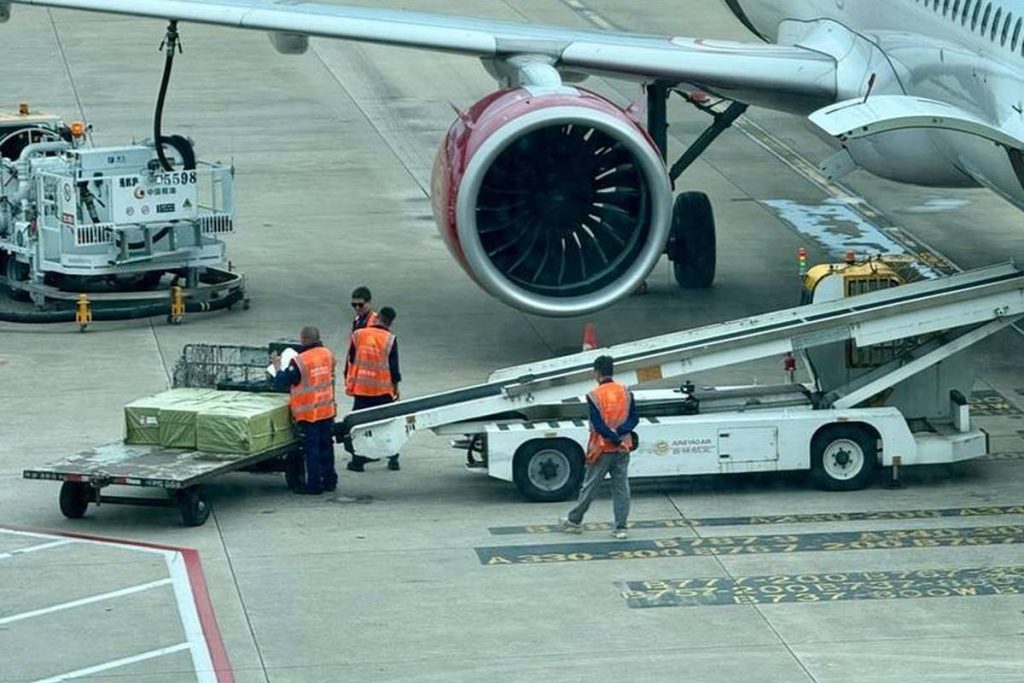
A flight can be safely on the ground and your shipment can still have no way to reach the customer. Those are two different problems. The first belongs to the airline. The second is the one your contingency plan has to solve.
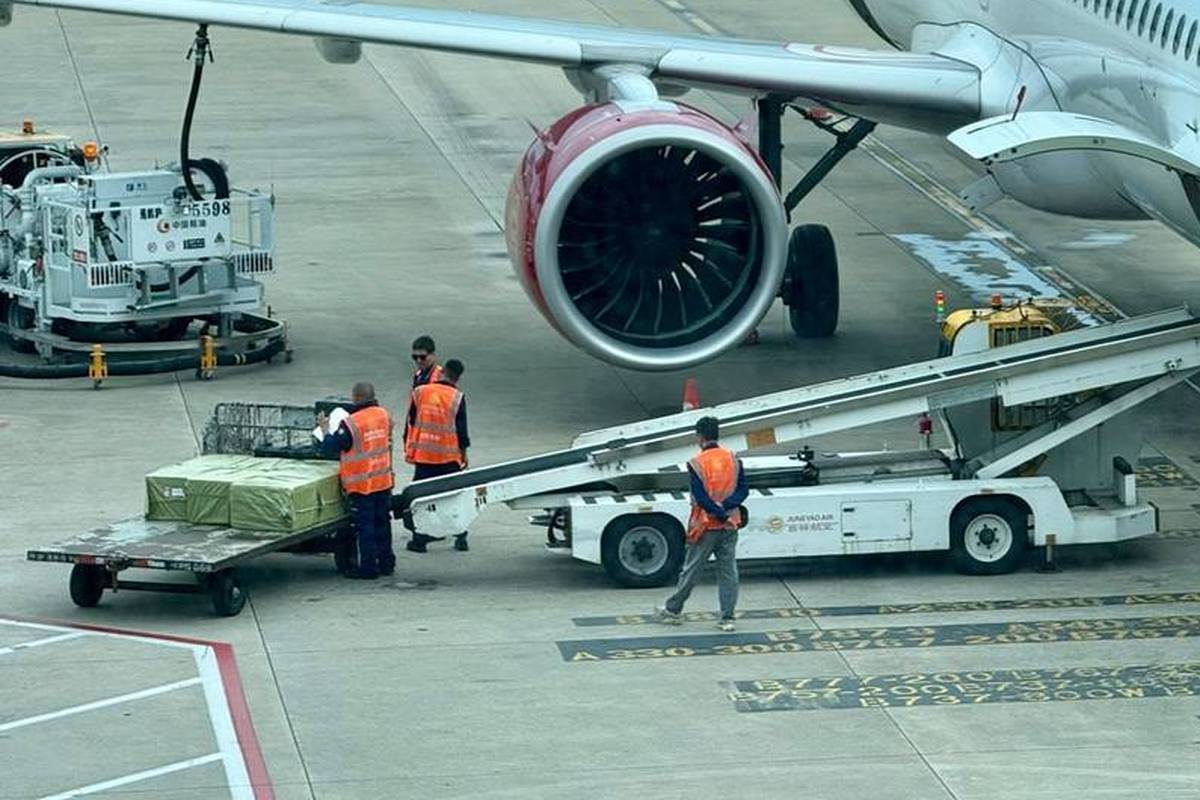
On 23 November 2026, four days before Black Friday, a Belgian air traffic control strike disrupted operations at Liège and Brussels. Liège Airport said roughly 70 flights were affected. That was not a cancellation count. The airport had yet to say how many flights had been cancelled, moved or rescheduled. An Emirates SkyCargo flight from Dubai that was due in Liège was tracked to Copenhagen instead. Brussels cancelled flights scheduled between 7 a.m. and 9 p.m. local time.
The Copenhagen diversion tells us where one aircraft went, not when its freight reached its destination. That distinction is what matters to the planner who has to tell a warehouse whether to hold a receiving slot. A backup airport is only useful if you can move the freight through it.
Book the handoffs before the runway
Start with the receiving handler, not the airport’s annual cargo tonnage. Ask what it can unload, break down and make available for collection on the shift when your flight is likely to arrive. Capacity is specific to the load. A handler that can take general freight might have limited room for temperature-controlled pallets or lack the equipment for a particular load configuration. Ask it to confirm how much of your freight it can handle and by when. A general assurance won’t help a dispatcher decide what to load.
Then walk the shipment through customs with the broker who would actually be on duty. Who corrects or files the arrival information? Can the cargo clear at the alternate gateway, or will it move under customs transit to another location? Who arranges the transit and any required guarantee? The answers depend on the goods and route. Test them on a real set of shipment documents before peak week, when there’s still time to fix a gap.
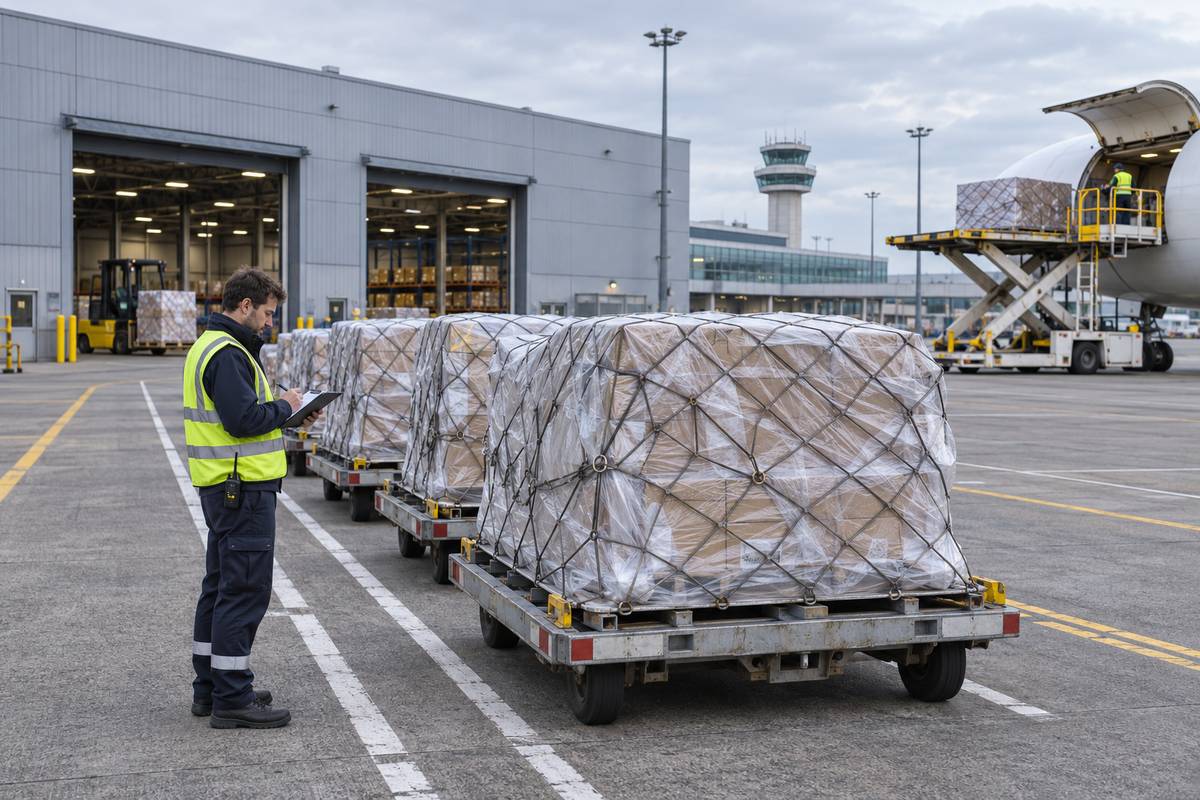
Finally, get an onward carrier to price and confirm a pickup window, the equipment and a realistic delivery time. During the Belgian strike, Chronopost warned that road blockages could also lengthen transit times. Moving the flight out of Belgium did not guarantee a clear road back in. If your carrier and handler quote different pickup times, resolve that with both on the call. Otherwise the gap will end up on the warehouse’s schedule.
Work backward from the delivery promise
Imagine a planner protecting an 8 a.m. receiving slot. The diverted flight lands at 6 p.m. the previous evening. On paper there are fourteen hours to spare. Now suppose the handler cannot make the pallets available until 10 p.m., the broker expects release at midnight, and the truck needs nine hours from pickup to delivery, including a buffer. Even if the driver leaves as soon as the freight is released, it reaches the dock at 9 a.m. There is no need to wait for the flight to land to know the slot is at risk.
Working backward makes the choice clearer. To reach the dock at 8 a.m., the truck needs to leave by 11 p.m. If release by then is doubtful, the planner can arrange an amended receiving slot while the warehouse still has room to move it. For an order that cannot wait, the team might send only the units the customer needs first through a faster route, if the cargo can be split and the documents support it. The rest can follow without buying emergency transport for the entire order.

Rehearse one shipment before peak week
Pick one lane with a delivery promise you would hate to miss. Put the forwarder, alternate handler, broker, trucking dispatcher and receiving team on a short call. Give them a flight time and the documents for a representative shipment. Ask each person to say when they can accept the freight, when they can hand it over and what they need from the previous team. Write down the names and times as they answer. If someone says they’ll find out on the day, mark that step as unconfirmed.
Agree who can activate the diversion, who can approve extra spend and who tells the customer when the original promise is no longer realistic. A route can look fine at noon and be unusable after the broker’s last staffed shift. Record the hours your contacts cover and give the person making the decision a deadline that comes before those options close.
Before your next peak week, open the contingency plan and pick one airport listed as a backup. Trace one shipment from touchdown to the receiving dock. If you cannot put a time and an owner against every handoff, you have found exactly what to fix while there is still time.