A delivery can arrive every morning and still miss the sale that mattered. If a customer wants a pastry before work and the replenishment reaches the display after breakfast, the route has met its schedule while the store has lost its opportunity. That is the awkward economics behind fuller shelves: frequency has value only when it changes what customers can actually buy.
Starbucks offers a useful test of that distinction. On its fourth quarter earnings call, CEO Brian Niccol said daily deliveries reached nearly 90% of company-operated coffeehouses in North America and described inventory availability as an “all-time high.” That is a company assessment, not a published numerical availability series or proof that daily deliveries alone caused the improvement. It is nevertheless a reason to examine the operating choice.
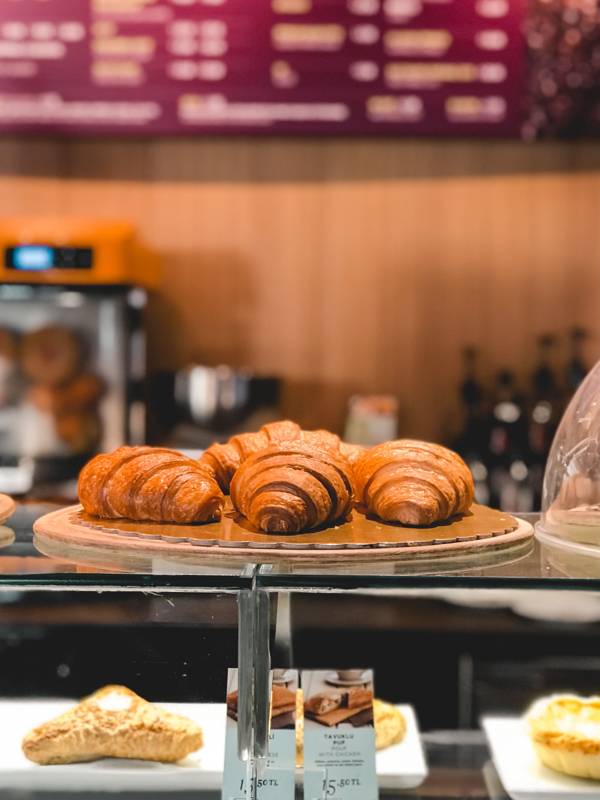
A daily truck is only part of the promise
Daily replenishment earns its place when recovered margin exceeds the extra cost of serving stores. The delivery calendar is an input to that calculation. A truck arriving daily does not establish that a demand signal can become usable stock within 24 hours. Ordering cutoffs, warehouse picking, route departure and store receiving can each add delay.
Starbucks has been testing a 24-hour operating model. Niccol described further replenishment progress over the next six to 12 months, while the company expects less waste and less work for store teams over time. Those are plans and expected benefits, not measured savings already delivered. The distinction matters when someone tries to turn a service ambition into a financial business case.
Consider an illustrative cafe manager whose morning delivery reaches the back room just before the queue builds. The pastries are physically present, but checking the shipment and stocking the display compete with serving customers. An earlier arrival might help. An extra arrival during the rush might make the problem worse. Receiving capacity belongs in the replenishment decision alongside vehicle capacity.
Count the margin, then count every extra touch
Start with availability at selling time. Measure whether the relevant item is ready for purchase during its actual demand window, rather than treating a positive inventory balance at closing as success. Track stockout duration and demand by store, item and time of day. A full display late in the afternoon cannot repair a missed breakfast occasion.
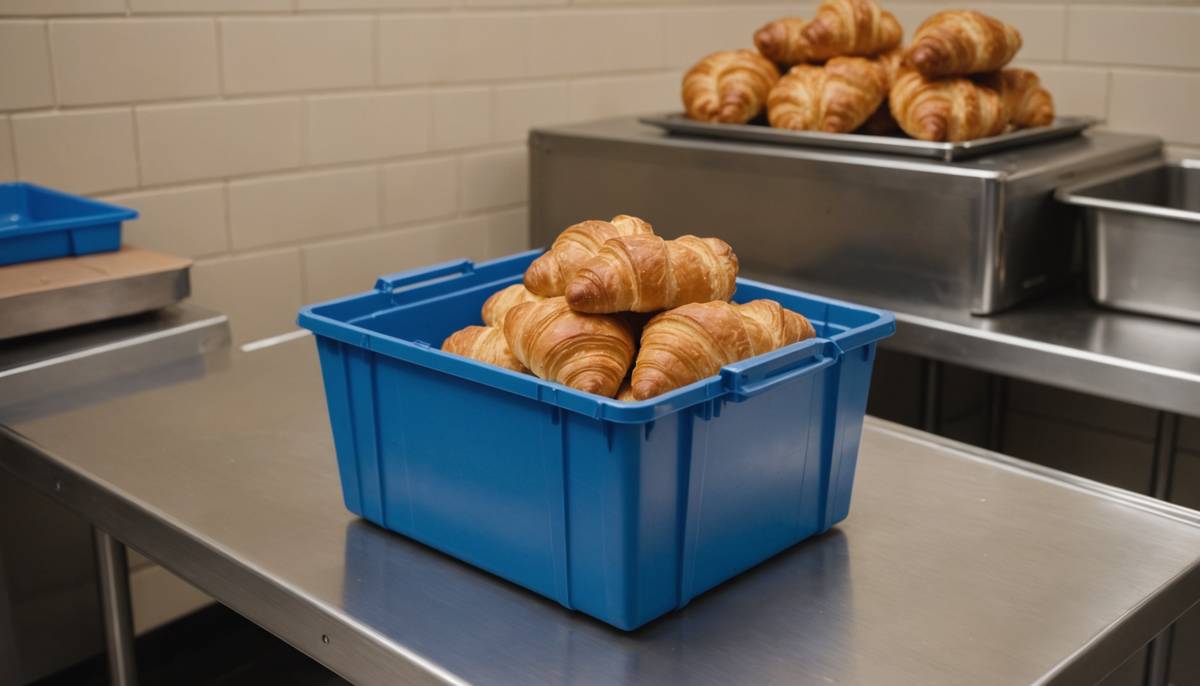
The benefit is recovered contribution margin, not the retail value of every previously unavailable item. Some customers substitute another product; others return later. Estimate the sales genuinely recovered, apply the relevant margin and avoid counting the same purchase twice. Keep assumptions visible when stockouts have hidden demand from the sales history.
Against that benefit, put incremental freight, warehouse picking and dispatch costs, and receiving labor. Smaller drops may increase handling even when the weekly volume barely changes. Include additional refrigerated capacity, overtime or failed delivery costs where the pilot actually incurs them. A cheaper transport rate per trip does not necessarily produce a cheaper week.
Credit waste reductions and carrying cost savings only when the evidence supports them, using the same evaluation horizon as the extra costs. Releasing inventory cash is different from earning recurring profit. Separate that cash release from the financing and storage costs it avoids, and distinguish initial setup costs from steady operations. Otherwise, an attractive payback can depend on counting one benefit twice.
Test the route before copying the cadence
Route density can decide the result. A dense cluster of stores may support frequent consolidated deliveries; a remote store may require substantial extra distance for the same cadence. Temperature requirements and product compatibility can restrict consolidation. Perishability strengthens the case for smaller drops, but only if the remaining shelf life and receiving windows let stores sell the product.
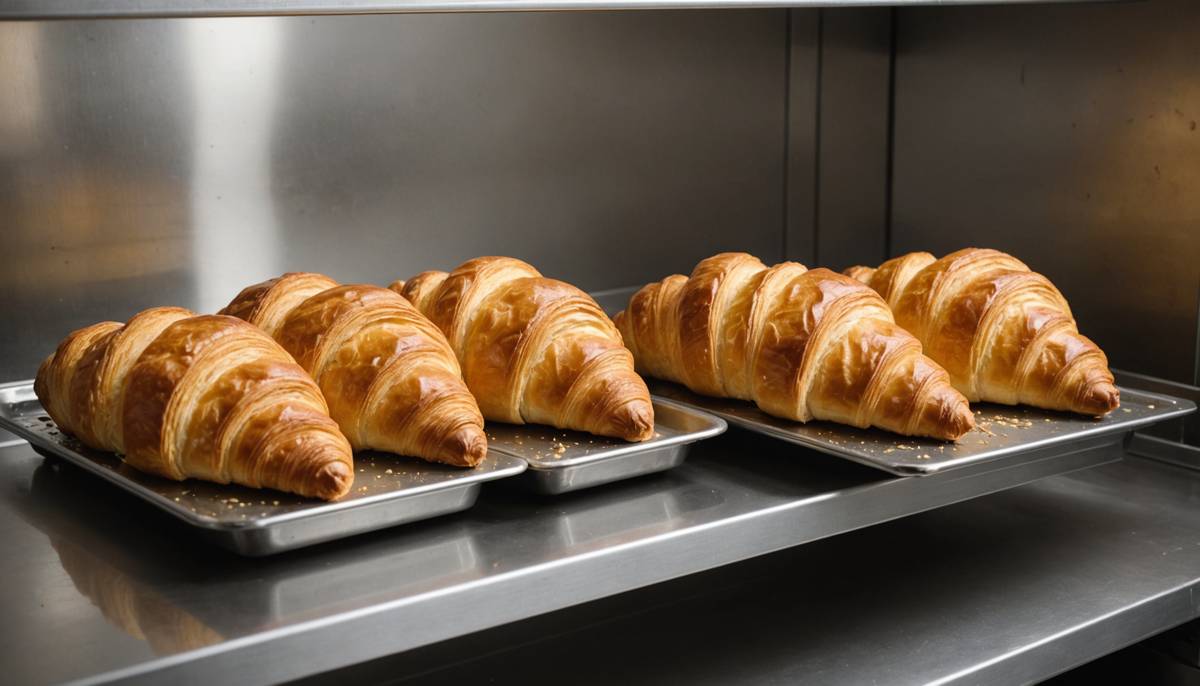
Different items can therefore deserve different schedules within the same store. A short-life product with concentrated morning demand may justify daily service. A stable, slow-moving item may not. Frequency also cannot fix an inaccurate order, an unavailable supplier item or stock that waits in a back room. Diagnose the specific missed selling opportunity before prescribing another truck.
Run a matched-store and matched-SKU pilot rather than comparing a favorable launch month with a weak historical baseline. Match demand patterns, route geography and receiving constraints; retain a comparison group on the existing cadence. Log promotions, assortment changes and staffing differences. Include ordinary weekdays, weekends and disrupted deliveries so the result does not depend on unusually attentive pilot support.
Agree the decision rule with finance and store operations before the first changed route. Review selling-time availability and recovered contribution margin beside the complete incremental cost, waste and inventory record. Specify when to expand, adjust the receiving window or stop. Give the cafe manager enough protected receiving time to test the model fairly, then charge that time to the model.
Starbucks’ progress makes daily delivery worth studying, not automatically worth copying. In the next replenishment review, choose one exposed product group and one route cluster. Establish whether a changed cadence puts sellable stock in front of customers sooner, and whether the recovered margin pays for doing it. Expand where that evidence holds, while keeping a less frequent schedule where it does not.