
The AI Collision in Supply Chains
Starbucks scrapped its AI inventory tool after nine months. Nine months. The ordering system that tool was supposed to sharpen had taken years to roll out across thousands of stores, and the most app-loyal retailer…
Supply Chain Blog
Starbucks scrapped its AI inventory tool after nine months. Nine months. The ordering system that tool was supposed to sharpen had taken years to roll out across thousands of stores, and the most app-loyal retailer…

The phone on a mid-size carrier’s desk rings forty times a day, and forty times a day it is one of four questions. Where is my shipment? When will it arrive? Why is it late?…

Your team’s morning starts the same way. The control tower shows 187 open exceptions. One of them is the container that missed its vessel, for a customer already inside a service failure window. The other…

Last month, Nissin Foods announced something quietly remarkable. The company behind Cup Noodles expects significantly higher fill rates this year, not because it built new factories or hired more planners. It credited an AI-powered demand…

The $300,000 Tool Nobody Uses Last November, a mid-market manufacturer rolled out an AI powered demand forecasting tool across three divisions. The vendor promised 15 percent inventory reduction within six months. The algorithm was solid….

Last month, a supply chain team in Rotterdam watched an AI procurement agent place a $340,000 order for aluminium extrusions. The price was right. The lead time looked fine. The supplier scorecard glowed green. There…
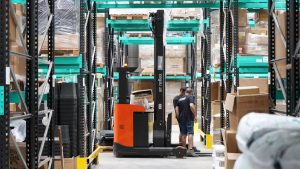
RFID is no longer just a barcode replacement. It is becoming a strategic supply chain technology. Photo: Pexels. In 2003, Walmart told its top 100 suppliers to put RFID tags on every pallet shipped to…

The last time a senior procurement professional walked into a high-stakes negotiation armed with nothing but experience and a three-year-old spreadsheet, they left approximately 15 percent on the table. They never found out. In fragmented…

In eight hospitals around the world, a simple experiment changed how we think about complexity. Surgical teams adopted a five-point checklist before operations. The result? Major complications dropped by 36 percent. Deaths fell by 47…