Picture a courier parked outside a supermarket. In the produce aisle, an associate has reached the spot where the strawberries should be. The shelf is empty, and the customer hasn’t answered the substitution request. A route planner could find a quicker way to the customer’s door, but the groceries would still be in the store.
Walmart said its U.S. deliveries completed in 30 minutes or less nearly tripled in its fiscal third quarter. The company estimated it could reach 60% of U.S. households within that window, assuming a 15-minute pick in the store. That’s an estimate of reach, not the share of orders delivered that quickly. The assumption is the interesting part: every minute spent filling the bag is a minute no longer available to get it to the door.
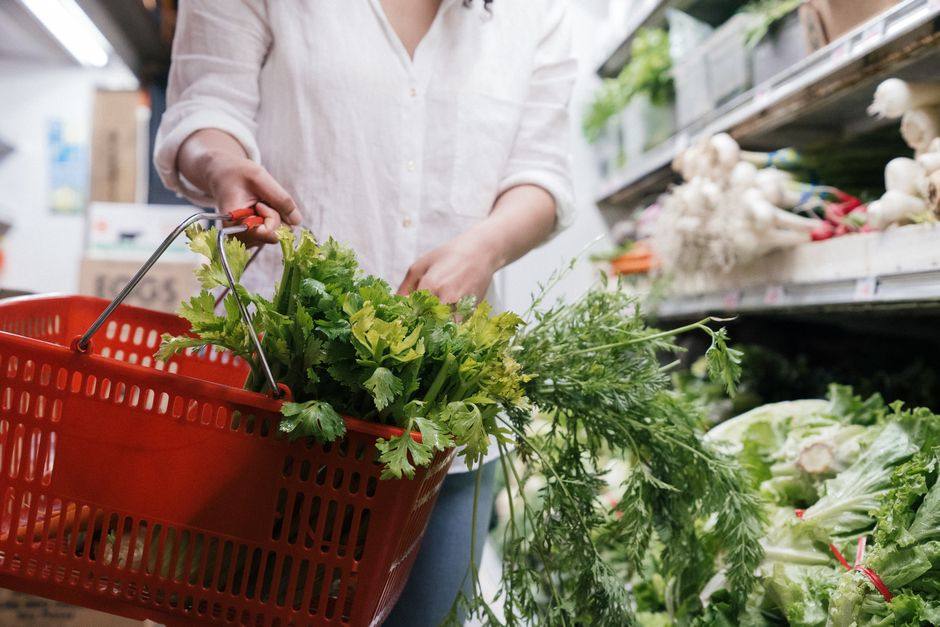
Measure time in the store separately from time on the road before deciding where to spend money on faster delivery.
Find out why the basket isn’t ready
Start the clock when the customer places the order. Record when the associate starts picking, when the full order is ready, when the courier leaves, and when the customer receives it. Those events separate the wait for someone to start, the work of filling the basket, the handoff, and the trip. If the courier app starts timing at pickup, it can show a perfectly good run while the customer is still looking at a missed promise.
Once you can see the pick interval, look at a few slow orders before changing the labor schedule. A Saturday queue of untouched orders is a good reason to test more coverage during the rush. A short queue with associates repeatedly walking to empty shelf locations points somewhere else. Check whether online availability matches what’s on the shelf and whether the app sends associates to the right aisle. If associates are mainly waiting for replies on substitutions, let customers choose acceptable replacements at checkout and see whether that shortens the wait.
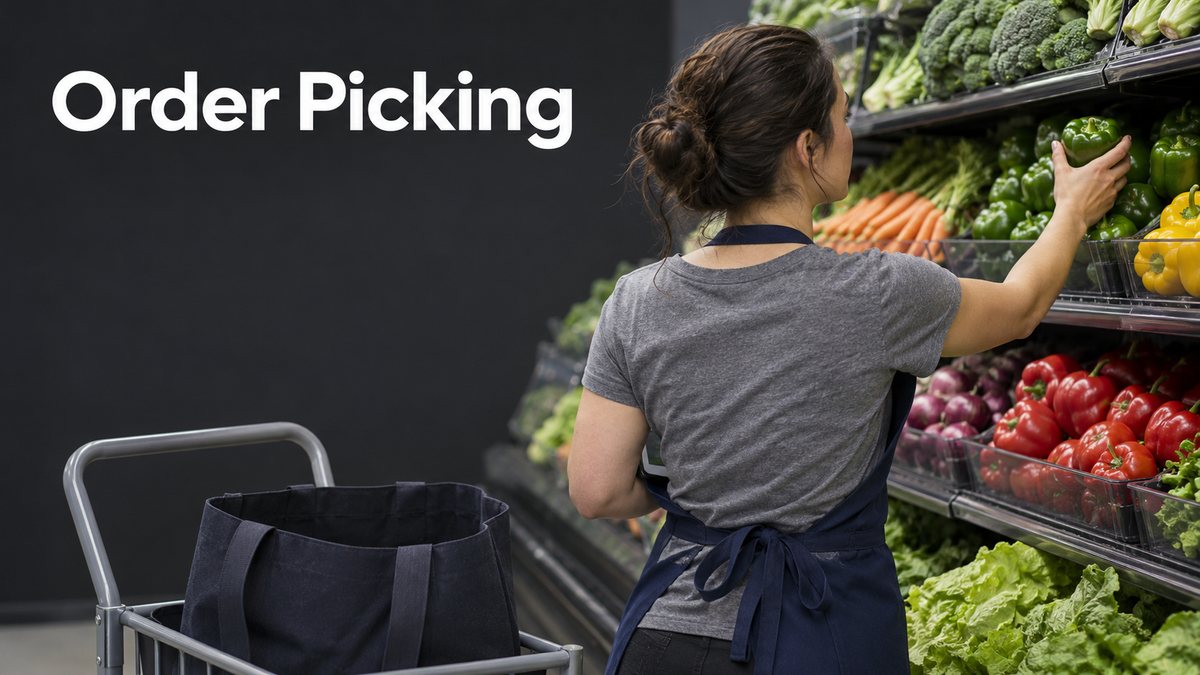
Watch what happens to the order while you make those changes. A team can make its pick time look better by skipping hard-to-find items. The customer still has to buy them somewhere else. Track whether orders are filled as requested, whether customers accept the replacements, and how often they cancel. An earlier departure isn’t much of a win if the bag is missing what the customer needed for dinner.
Give the handoff its own clock
Suppose two stores both deliver an order in 32 minutes against a 30-minute promise. At the first, it takes 19 minutes from checkout to a ready bag, two minutes to hand it over, and 11 to drive and deliver. At the second, the bag is ready in nine minutes, sits for 12, and takes the same 11 minutes to reach the customer. These are illustrative orders, but they show why a late-delivery report can send two managers after the same problem when they should be doing different work.
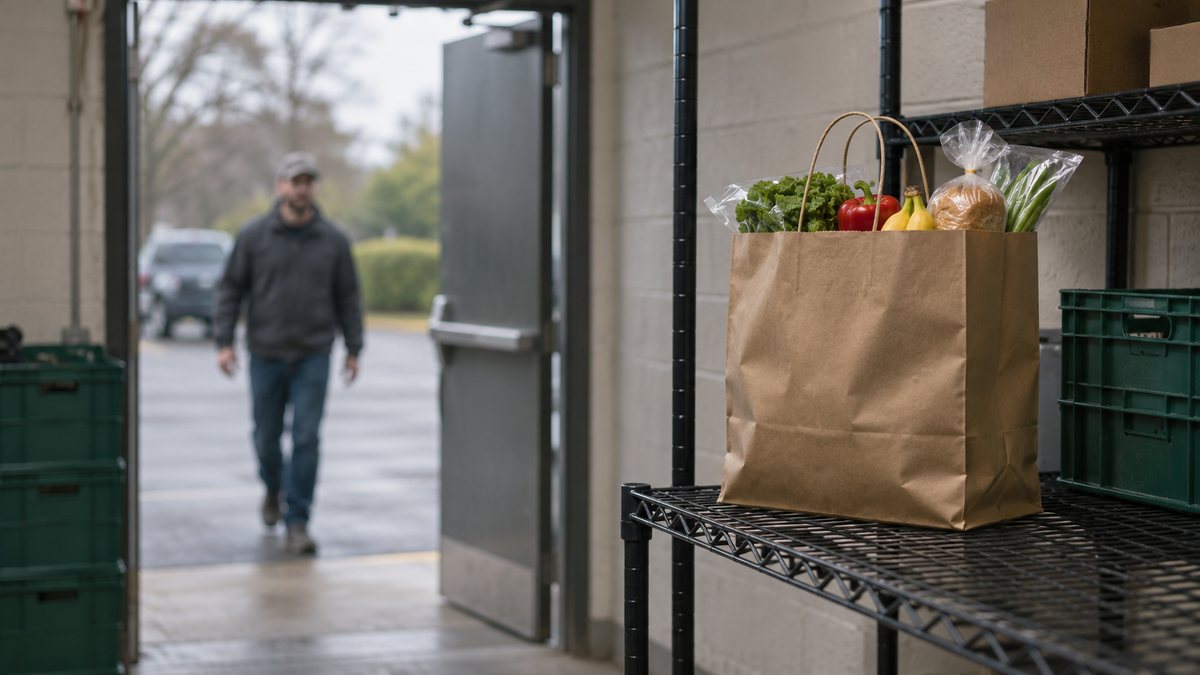
The first manager should walk a few picks with the team. The second needs to know if the bag was waiting for a courier or the courier was already outside and couldn’t collect it. Add the driver’s arrival time to the handoff record. If drivers show up early and rack up unpaid waiting time, sending them even earlier makes the job worse. If ready orders routinely sit with nobody assigned, test a change to dispatch. If both are there and they can’t find the right bag, fix the staging shelf.
Decide what to do with the minutes you save
Faster picking gives a retailer a choice. It can keep its delivery area and make the existing promise more reliable, or it can spend some of that time reaching addresses farther away. I’d protect reliability first in stores that already struggle at dinner time. An extra street on the map is of little use if it pulls a courier away long enough to make several nearby orders late.
Look past the daily average. Compare similar basket sizes and delivery zones during the hours you actually want to improve. Track the share delivered on time, the typical order time, and how long it takes to deliver 90% of orders. Trace individual late orders through the stages rather than adding the slowest estimates from each stage; the slowest pick and the slowest drive might belong to different baskets. Then compare labor and courier costs per completed order before committing to more staff, more drivers, or a larger service area.
Pull the late orders from one busy evening and put their timestamps side by side. Ask the store lead and the dispatcher to pick one fix based on where those orders waited. Test it during the next comparable rush. Change the delivery promise only after you’ve seen what that fix does for the customer waiting at home.