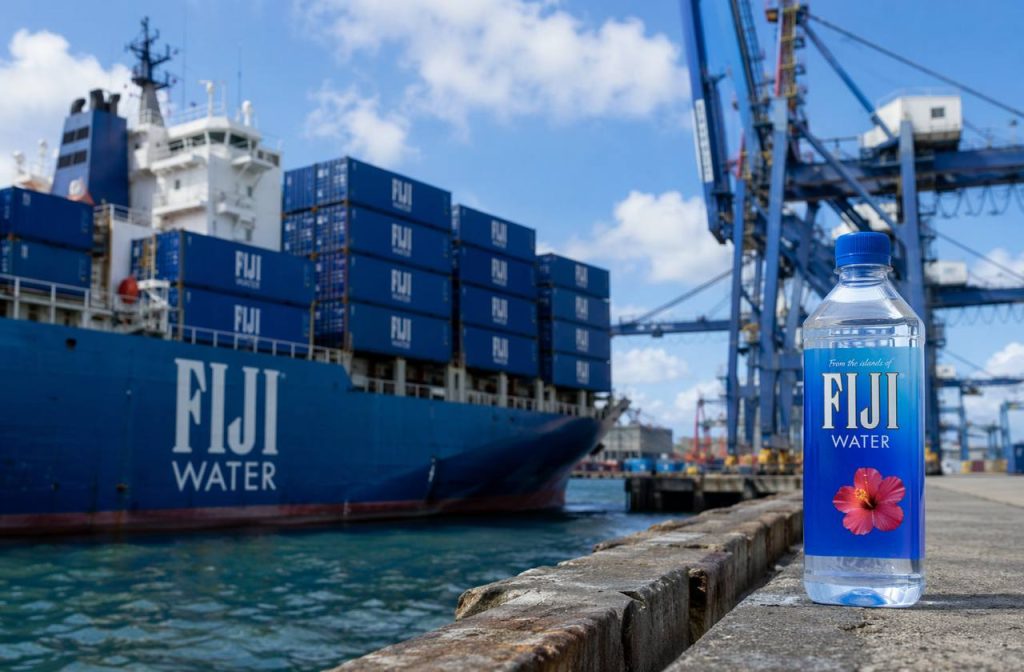
The old rule of global trade was simple: manufacturers make, retailers sell, and shipping lines move the boxes. That division of labor has defined containerized trade for half a century. But a growing number of companies, from the world’s largest retailers to niche consumer brands, are rewriting the rulebook. Walmart, Amazon, IKEA, Home Depot, and a lengthening list of giants have started chartering their own vessels, signing long term leases on whole ships, and in some cases buying fleets outright. What makes this trend remarkable is that it is not limited to the mega players. Even a bottled water company decided it could run its own shipping network better than the carriers could.
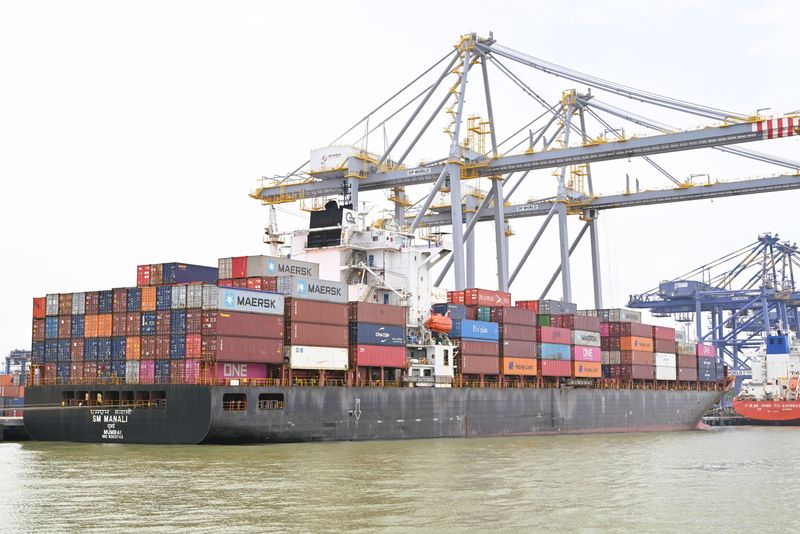
The Fiji Water Experiment
During the peak of the pandemic container crisis, Fiji Water faced the same nightmare as every other shipper. Its products, bottled in Fiji and shipped to markets around the world, were stuck at ports while carriers canceled sailings and spot rates skyrocketed. The company made a radical decision. It chartered its own vessel, loaded it with containers, and ran a dedicated shipping service from the South Pacific to the United States. What started as a desperate response to an impossible situation turned into a case study that supply chain executives still reference years later.
Fiji Water did not just solve its immediate capacity problem. It discovered that controlling its own vessel gave it scheduling certainty, cost predictability, and the ability to bypass the allocation games that carriers played during the crunch. The experiment was temporary, but its lessons were permanent. If a single brand bottled water company could make self chartering work, the logic was undeniable for companies moving far larger volumes.
The Trust Deficit That Fueled the Shift
The pandemic exposed something that many large shippers had suspected but never fully confronted. When capacity tightens, carriers prioritize profitability over relationships. Spot rates surged to ten times their pre pandemic levels, and carriers allocated space to the highest bidders regardless of long term contracts. Shippers who had spent decades building loyalty with specific carriers found themselves with empty containers and missed sailings. The message was unambiguous. In a market where carriers control 85 percent of capacity, contractual commitments are only as strong as market conditions allow them to be.
That experience changed the calculus for procurement teams at the world’s largest retailers and manufacturers. If carriers could not be relied upon to honor contracts during a crisis, the only logical response was to reduce dependency on the common carrier system. Chartering private vessels emerged as the most direct way to regain control. It is expensive, operationally complex, and requires capabilities that most companies do not have in house. But for companies moving enough volume, the math starts to make sense.
The Economics of Self Chartering
The decision to charter a vessel comes down to a simple comparison. On one side is the cost of contracting with a carrier for a given volume on a given trade lane. On the other side is the cost of leasing a vessel, hiring a crew, paying for fuel, port fees, and insurance. For most companies, the carrier option wins. But for the largest players, the gap has narrowed to the point where the benefits of control outweigh the cost premium.
A company moving 200,000 or more TEUs per year on a single trade lane can fill a vessel every week without relying on third party cargo. That scale transforms chartering from a speculative bet into a capacity planning tool. The shipper knows exactly how much space it needs, when it needs it, and at what cost. No blank sailings, no rate renegotiations, no allocation games during peak season. The vessel becomes an extension of the supply chain, scheduled and managed like any other internal logistics asset.
The trend is not limited to ocean freight. On land, major companies are taking similar control of their trucking networks. PepsiCo, for example, has been expanding its autonomous truck operations with Gatik, using driverless vehicles for middle mile logistics. The same logic applies across transport modes. When external carriers cannot guarantee reliability, bringing capacity in house becomes a strategic necessity rather than a cost optimization.
The Operational Reality
Running a container ship is not the same as running a supply chain. The companies that have succeeded with self chartering are those that invested in the right operational capabilities or partnered with experienced ship management firms. The vessel needs to be crewed, maintained, insured, and compliant with an ever expanding web of environmental regulations. IMO carbon intensity rules, regional emissions controls, and port state inspections all add layers of complexity that a procurement department is not designed to handle.
This is why most self chartering shippers do not actually own their vessels. They lease them on long term time charters, typically three to ten years, and leave technical management to specialized third parties. The shipper controls the commercial decisions, schedules, and cargo allocation. The ship manager handles the crew, maintenance, and compliance. It is a division of labor that allows the shipper to capture the strategic benefits of vessel control without building a shipping company from scratch. Fiji Water did the same on a smaller scale, proving that even a single dedicated route can deliver enough value to justify the operational overhead.
What This Means for the Carrier Market
Every major shipper that moves even 10 percent of its volume to chartered vessels reduces its dependence on the common carrier pool and weakens the pricing power of the largest lines. For carriers, the implications are mixed. Losing a major customer to self chartering represents a direct revenue loss. But in the long term, the trend could push the carrier industry toward a more sustainable equilibrium. If the largest and most demanding shippers opt out of the common carrier system, the remaining pool becomes more homogeneous and easier to serve.
The Bottom Line
The age of the passive shipper is ending. The companies that move the world’s goods are increasingly unwilling to leave their most critical logistics function in the hands of a highly concentrated carrier market. Running their own ships gives them control, predictability, and a hedge against the volatility that has come to define container shipping. Fiji Water proved that the model works even for a single brand on a single route. For the giants of global trade, the question is no longer whether to self charter. The question is how far the trend will go and what the traditional carriers will do in response.