The Numbers Say Stay Away. The Ships Say Otherwise.
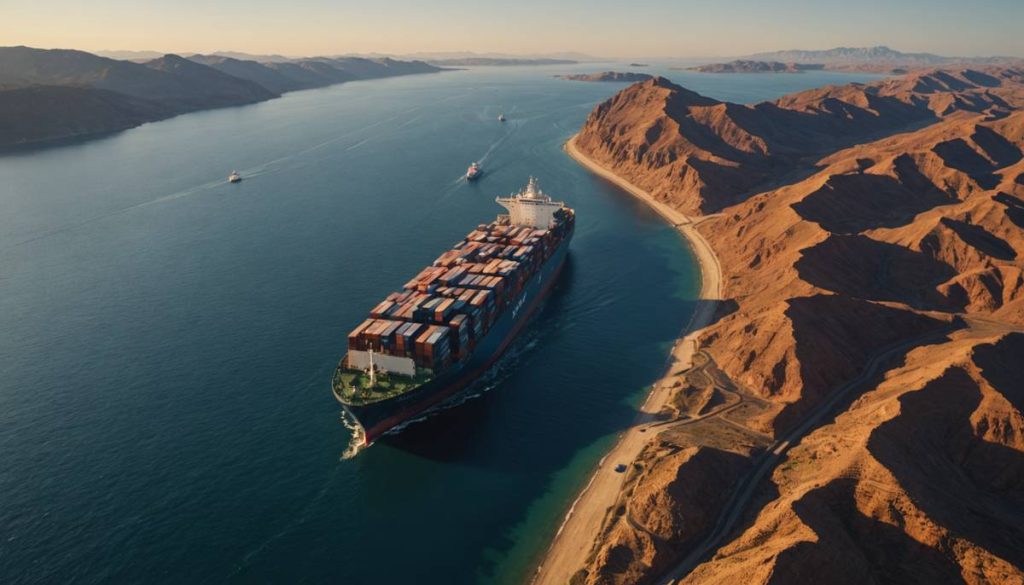
July 28, 2026. A 16,592 TEU container vessel named Ane Maersk enters the Red Sea from the Mediterranean. It calls at Jeddah. Then, instead of retreating north, it pushes south . straight through the Bab el-Mandeb Strait, toward Mundra.
At the exact same moment, India’s largest refiners are canceling Middle Eastern crude contracts. They want oil that bypasses both the Red Sea and the Strait of Hormuz. Greek tanker owners who dominate the world’s largest fleet have been told to stay away. Insurance underwriters are recalculating war-risk premiums by the hour.
Two shipping markets. The same waters. Completely opposite decisions.
What do the container lines know that the tanker market doesn’t?
The 54-Transit Bet
Linerlytica, the container shipping analyst, counted 54 containership transits through Bab el-Mandeb in seven days. Maersk, CMA CGM, Wan Hai, none of them blinked. “The pause in military exchanges is providing little clarity on the direction of the market,” Linerlytica noted, with characteristic understatement.
Here’s the math they’re running.
Every container ship that diverts around the Cape of Good Hope burns an additional $800,000 to $1.2 million in fuel per voyage. At current bunker prices which are surging precisely because of the conflict driving these diversions and that number climbs with every passing week. Multiply by the hundreds of weekly Asia-Europe sailings, and the Red Sea transit starts looking less like a gamble and more like arithmetic.
But the real reason goes deeper than fuel.
The Market They Cannot Abandon
Saudi Arabia is the largest economy in the Middle East. It’s a Vision 2030 infrastructure boom in progress. It’s the gateway to the GCC’s 60-million-strong consumer class. Rerouting around Africa to reach Jeddah adds 10-14 days from Asia, plus another Mediterranean leg back through Suez.
Maersk and Hapag-Lloyd didn’t create the AE19 service on a whim in March. They architected it, routing large ships around the Cape, through the Mediterranean and then back through Suez to enter the Red Sea from the safer northern approach. Specifically to keep Saudi Arabia connected. It’s expensive. It’s logistically absurd. But losing the market is more expensive.
The Signal Hiding in Plain Sight
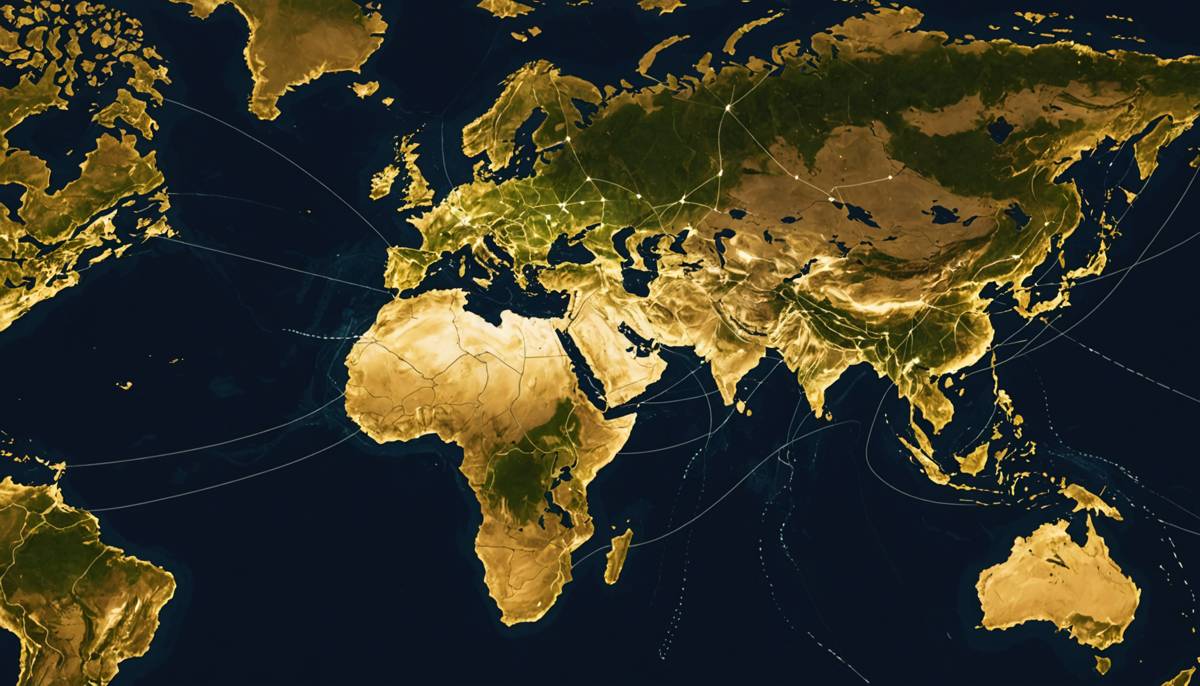
Charter demand tells a story the headlines miss.
Global Feeder Shipping, China United Lines, and GT Lines have locked in more than 12 new charters in the past two months thata are all for Middle East trading. Samudera Shipping is adding capacity to the West India-Middle East KIX1 service. These aren’t speculative options trades. They’re paid-for capacity commitments backed by cargo that needs to move, right now.
When feeder operators are paying a premium for Red Sea routes, the demand is real. The cargo is there. The question is whether the window stays open.
The Bill That’s Already Being Written
Fuel costs don’t discriminate between container ships and tankers. The Strait of Hormuz which handles roughly 25% of the world’s seaborne oil trade is now an active risk zone. The U.K. Navy issued a rare navigation warning. Iran’s IRGC harassed a U.S.-flagged tanker at close range. Bunker prices are climbing, and carriers are quietly preparing a new wave of emergency fuel surcharges.
Here’s the uncomfortable truth for shippers: the rate you negotiated last quarter may not survive the next fuel adjustment. The carriers pushing 54 weekly transits through Bab el-Mandeb have the most fuel exposure which means their surcharge requests will land on your desk first and hardest.
Fragile Doesn’t Mean Safe
Linerlytica’s warning should be read slowly: “The situation remains fluid and any further escalation in the Middle East conflict could drive out these ships from the Red Sea and add to further the vessel shortage as they seek alternative routes.”
That’s not a risk forecast. That’s a spring coiled under tension.
Fifty-four weekly transits could become zero in the time it takes for one successful attack, one insurance underwriter to pull coverage, or one military escalation to change the risk calculus. The resulting vessel shortage that hundreds of ships scrambling for Cape routes simultaneously would make the 2021 Suez Canal blockage look like a scheduling delay.
The Red Sea crisis hasn’t ended container transits. It’s suspended them in an equilibrium held together by arithmetic, market gravity, and the collective bet that the window holds. Container lines are betting it stays open. Tanker operators are betting it slams shut.
One of them is wrong. And every shipper will pay the bill regardless.