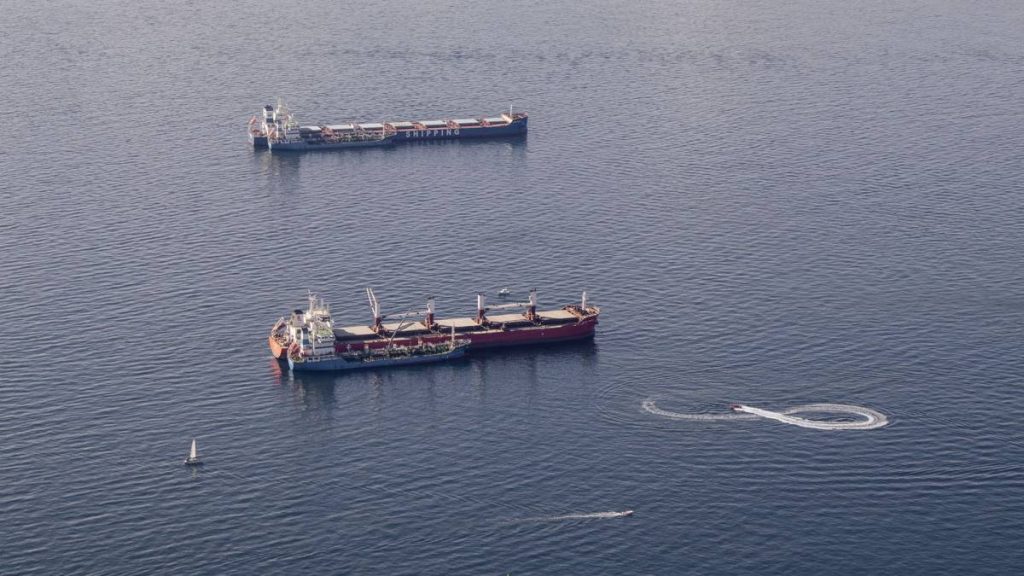
Last year, the average freight rate from Shanghai to Rotterdam rose by 340 percent. The reason was not a pandemic, a war, or a natural disaster. It was the quiet escalation of tensions around a 33 kilometer wide stretch of water that carries one fifth of the world’s oil.
The Strait of Hormuz is the most strategically important chokepoint in global trade, and it is becoming more unstable by the month. Every supply chain leader should be watching, and more importantly, preparing.
The Chokepoint That Moves Markets
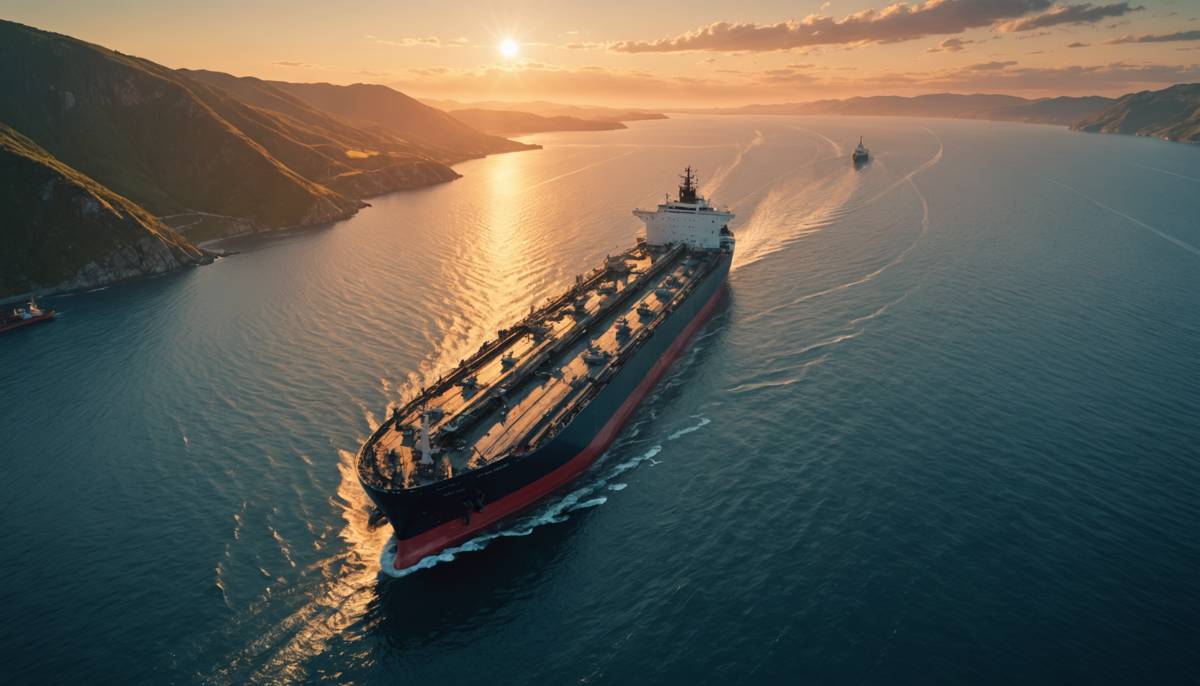
Roughly 17 million barrels of oil pass through the Strait of Hormuz every day. That is about 20 percent of global consumption. When Iran seized two oil tankers in 2023, global oil prices jumped 4 percent within hours. When tensions rose again in mid-2026, war risk premiums on hull insurance for vessels transiting the strait spiked to levels not seen since the Iran-Iraq war.
These are not abstract geopolitical events. They translate into concrete costs. Every dollar of increased insurance premium adds to freight rates. Every rerouted vessel adds days to transit time. Every missed delivery window triggers penalty clauses. The ripple effects reach every supply chain that depends on Asian manufacturing, Middle Eastern energy, or European distribution.
Insurance costs for vessels passing through the strait have surged. Some carriers are now adding surcharges of 15 to 25 percent on cargo that touches Hormuz waters. This cost lands on the desks of logistics managers who have no alternative route and no budget for it.
The Contingency Gap
In a recent survey of global supply chain executives, 78 percent identified the Strait of Hormuz as a critical risk. Yet fewer than 25 percent said they had an actionable contingency plan. This gap between awareness and preparation is dangerous. Knowing a risk exists is not the same as being ready for it.
A container ship that avoids Hormuz by rerouting around the Cape of Good Hope adds roughly 10 days to its journey. That means 10 extra days of fuel, crew wages, and delayed cargo. For time-sensitive goods like electronics, automotive parts, and perishables, this is not an inconvenience. It is a business disruption that can cascade into production halts and lost contracts.
The Alternatives Exist But They Cost
Saudi Arabia and the UAE have invested in pipeline alternatives that bypass Hormuz. The Petroline pipeline across Saudi Arabia can carry about 5 million barrels per day, and the Abu Dhabi Crude Oil Pipeline adds another 1.5 million. These pipelines offer relief for oil shipments, but they do nothing for the container ships, bulk carriers, and LNG tankers that also transit the strait.
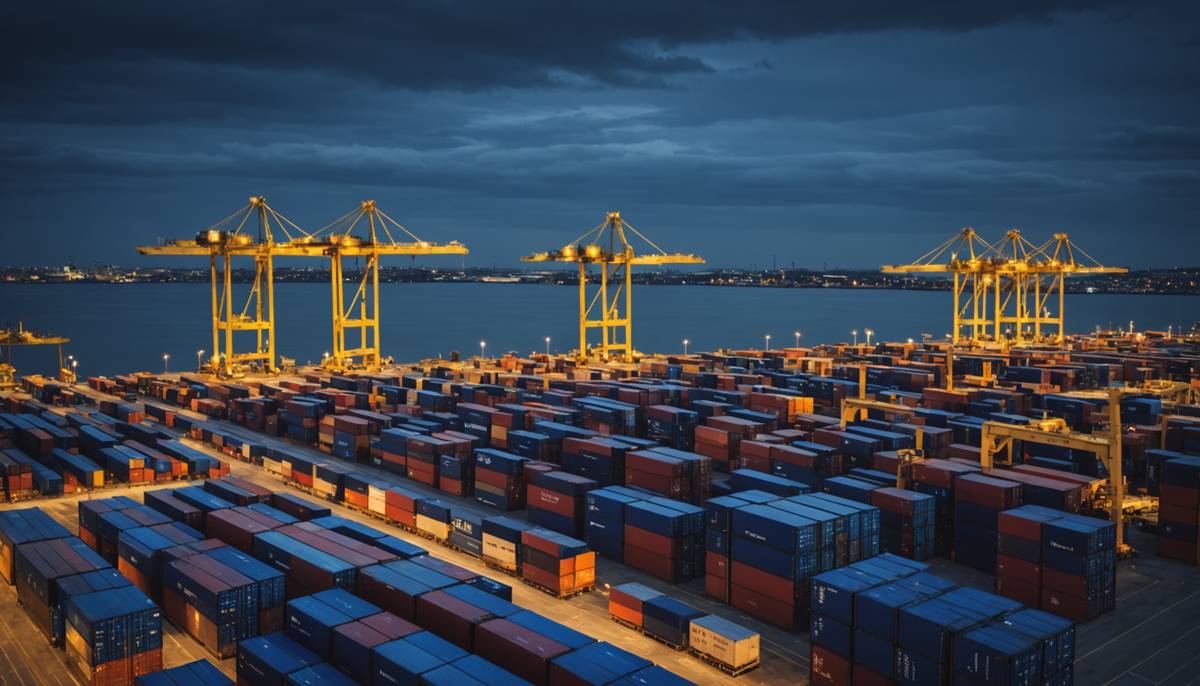
For general cargo, the alternatives are limited and expensive. Rail routes through Central Asia are slow and capacity constrained. Air freight is 5 to 10 times more expensive. The only reliable alternative is strategic inventory positioning: storing critical goods on the consuming side of the chokepoint before disruptions materialize.
Some companies are already doing this. European manufacturers that depend on Asian components have started building buffer stocks in Mediterranean and Black Sea warehouses. The cost of holding extra inventory is high, but it is lower than the cost of a complete supply chain stop.
The Human Cost of Miscalculation
A supply chain director at a mid-sized European manufacturer spent three weeks last year trying to reroute a shipment of specialty steel from South Korea after the original vessel was held up by a Hormuz-related insurance dispute. The shipment was two weeks late. The production line in Germany stopped for three days. The cost of the stop, the air freight to catch up, and the lost customer goodwill exceeded the annual logistics budget for that product line.
She told her team afterward: “We knew Hormuz was a risk. We just never thought it would hit us this fast.” She now keeps a thirty day inventory buffer for every component that crosses the strait, and she treats the cost as an insurance premium, not an inefficiency.
Start Building Your Plan B Now
The Strait of Hormuz will remain a geopolitical hotspot for the foreseeable future. The question is not whether another disruption will occur, but when and how severe it will be. The companies that survive the next Hormuz crisis will be those that have already done the difficult work of identifying alternatives, building inventory buffers, and negotiating flexible contracts with carriers.
The cost of preparation is real. But the cost of being unprepared is far higher. Start building your Plan B today, not after the headlines tell you it is too late.