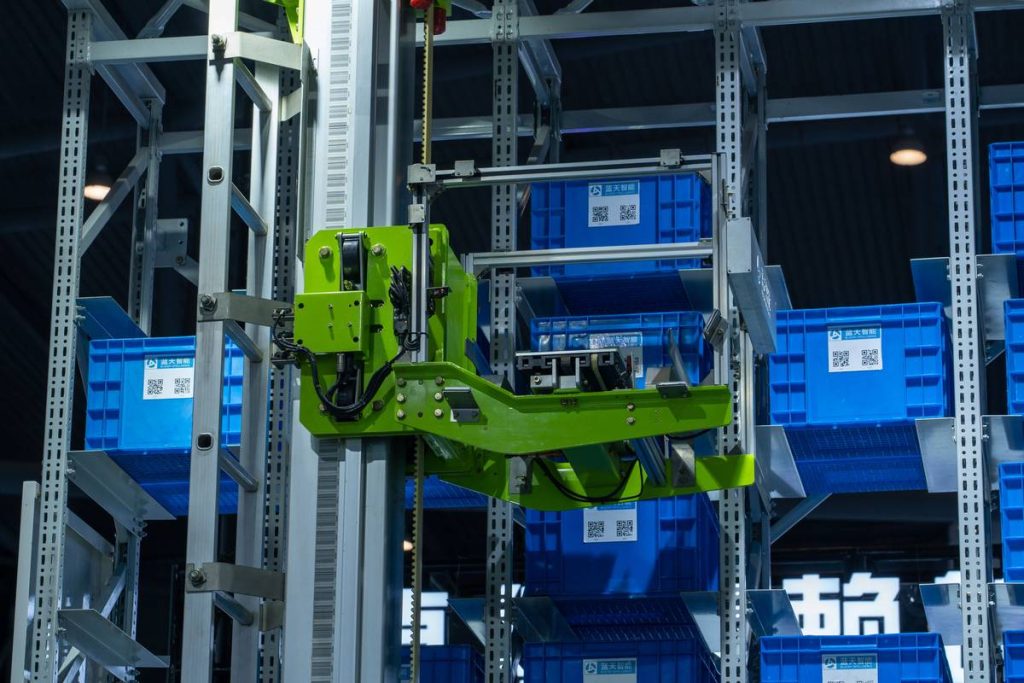
Here is a counterintuitive truth from the front lines of supply chain operations. We automated the warehouse. We implemented yard management systems. We deployed AI-driven planning platforms. And yet, on any given Tuesday afternoon, trucks are still waiting at the gate, docks are still double-booked, and the most critical decision in the facility is still made by a person holding a radio.
We spent the last five years chasing fully automated supply chains. The industry narrative promised lights-out warehouses, self-optimising logistics networks, and planning engines that would run without human intervention. The reality is different. Robots are running. AI predictions are flowing. But execution still breaks at the human seam.
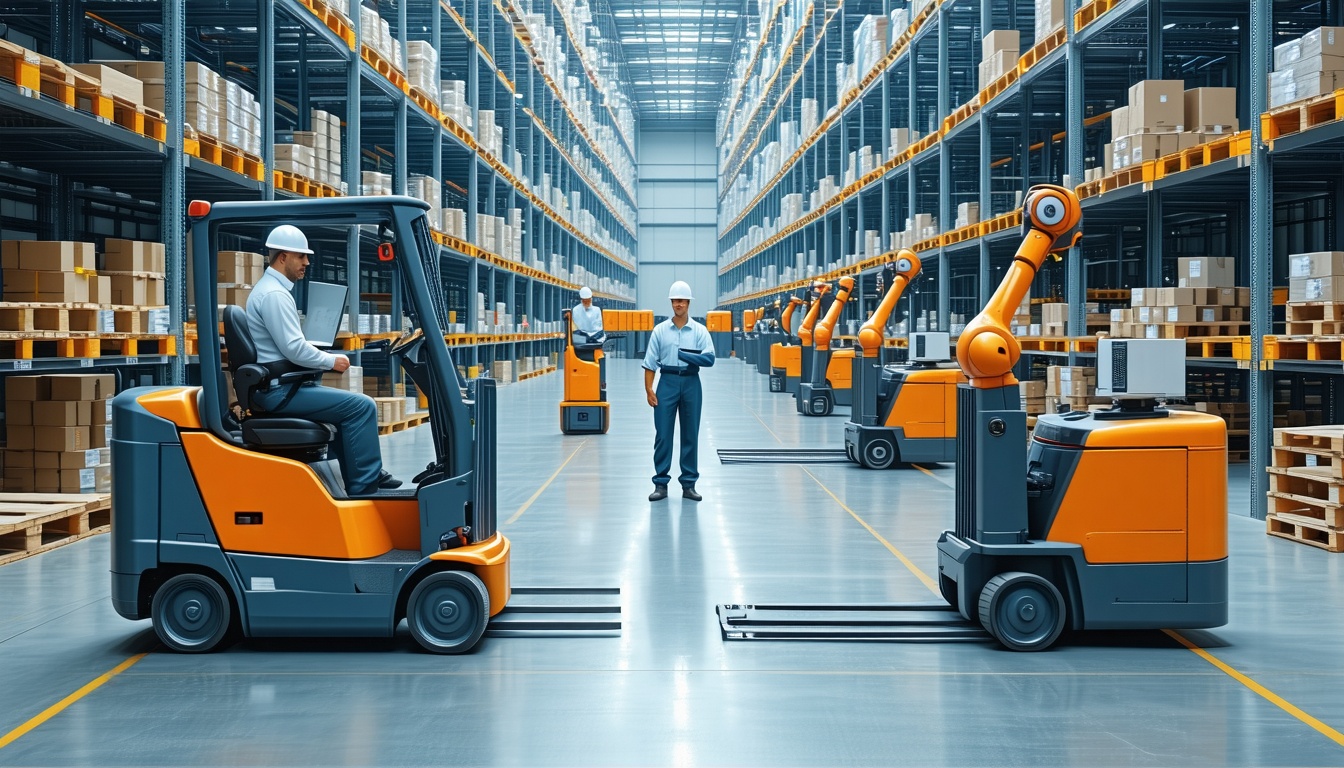
The companies pulling ahead have figured out something important. The best automation still needs people.
The Scotts Miracle-Gro Case
Consider Scotts Miracle-Gro, the lawn and garden company that manages one of the most seasonal, volatile demand patterns in consumer goods. Spring hits, and everything happens at once. Fertiliser, grass seed, weed control, and garden soil all spike in the same six-week window. If their supply chain does not flex, the season is lost.
Scotts built a unified planning platform connecting demand sensing, inventory optimisation, and production scheduling in one real-time system. It handles millions of SKU-location combinations across their network. The platform generates recommendations at a speed no human team could match. But here is the design choice that matters: the platform was built as a collaborative decision engine, not an autonomous one.
Planners review AI-generated recommendations. They adjust for local market knowledge. They account for supplier relationships that no algorithm fully captures. They override recommendations when a regional weather event shifts demand in ways the model has not seen before. The system amplifies human judgement rather than replacing it. That is not a workaround. That is the architecture.
The Yard Automation Reality Check
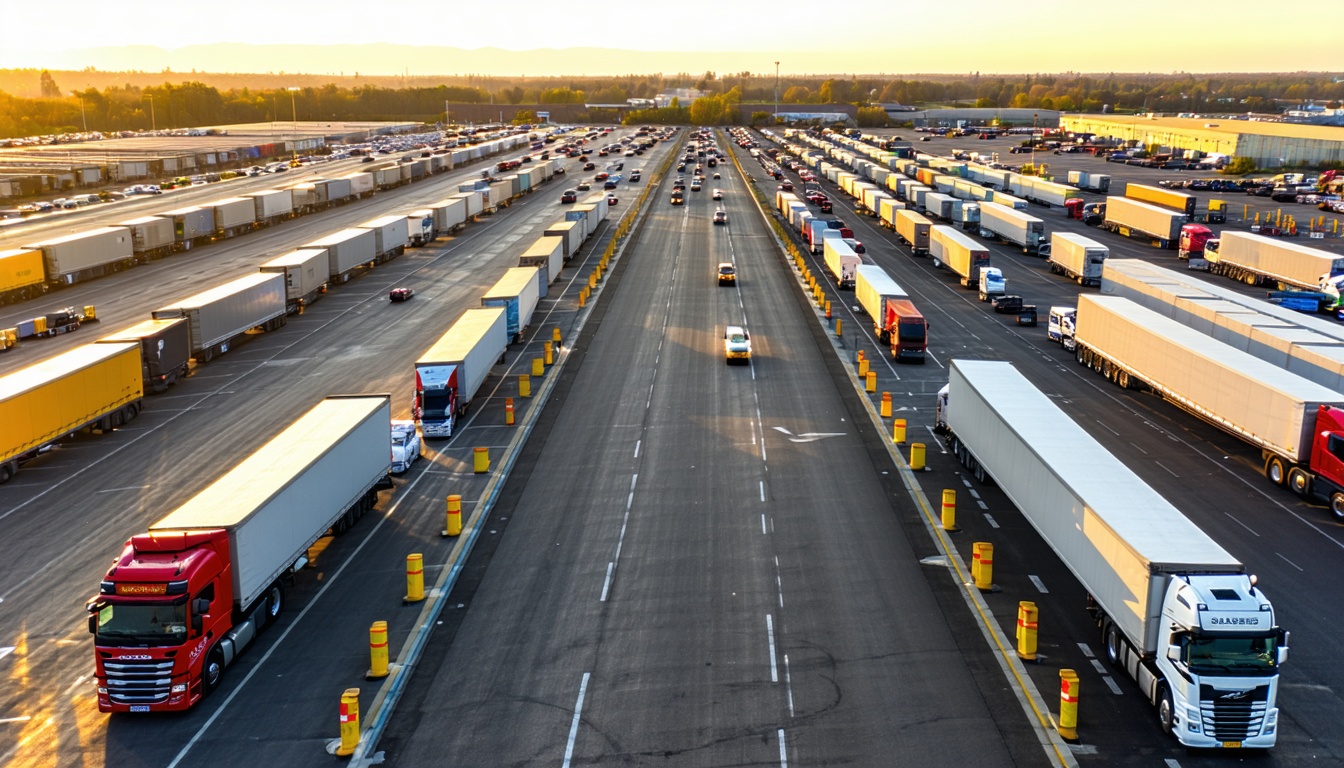
The yard automation market tells a similar story. Companies have spent millions on gate automation, appointment scheduling, and yard management systems. The visibility these tools provide is real. You can see exactly which truck is at which door, how long it has been waiting, and what load it carries.
Yet dock and yard execution problems persist. Visibility alone does not move a truck from Gate 3 to Door 12. Visibility alone does not sequence arrivals to match unloading capacity. Visibility alone does not resolve the moment when a driver whose appointment was confirmed thirty minutes ago arrives to find the dock still occupied. That requires a person to make a call, re-sequence the queue, and communicate the change.
Industry practitioners are now acknowledging what the software vendors left out of the pitch. The yard is not an optimisation problem disguised as a visibility problem. It is a coordination problem. And coordination between a warehouse team, a transportation team, and a carrier network is, at its core, a human activity augmented by technology.
The Real Work
Picture the yard manager at a major distribution centre on a Tuesday afternoon. The dashboard shows seven trucks past their appointment window. The warehouse lead is short-staffed because two loaders called in sick. The system keeps alerting, but the alerts do not unload a trailer.
She picks up the radio. She calls the warehouse lead, negotiates which door to free up. She calls the dispatcher of the longest-waiting carrier and resets the queue. Then she flags the pattern in the weekly review, because if the same slot keeps missing, the algorithm needs a constraint it does not have. This is the work that never appears in the ROI spreadsheet. It is not automatable in any practical sense. And it is the difference between a supply chain that looks good on a dashboard and one that actually delivers.
Beyond the Either/Or
The industry is moving past the false choice between full automation and manual operations. The leading model is the hybrid supply chain, where humans, robotics, and AI collaborate in real time. Scotts Miracle-Gro proves the model at scale. The yard practitioners confirm the boundary conditions. And the core insight is consistent: every layer of technology introduced reveals new human dependencies.
Automation handles the repeatable, the predictable, the high-volume. People handle the exception, the judgement call, the relationship. The best systems are designed to feed humans better information, not to eliminate them from the loop.
What This Means for Your Next Investment
If you are leading a supply chain transformation, stop measuring your automation project by how many manual tasks it eliminates. Start measuring it by how well it equips your people to make better decisions faster. The goal is not a supply chain that runs without people. The goal is a supply chain where every person operates at the top of their skill set, amplified by technology.
Audit your next automation initiative. Does it replace humans or liberate them? The answer will determine whether your investment pays off.