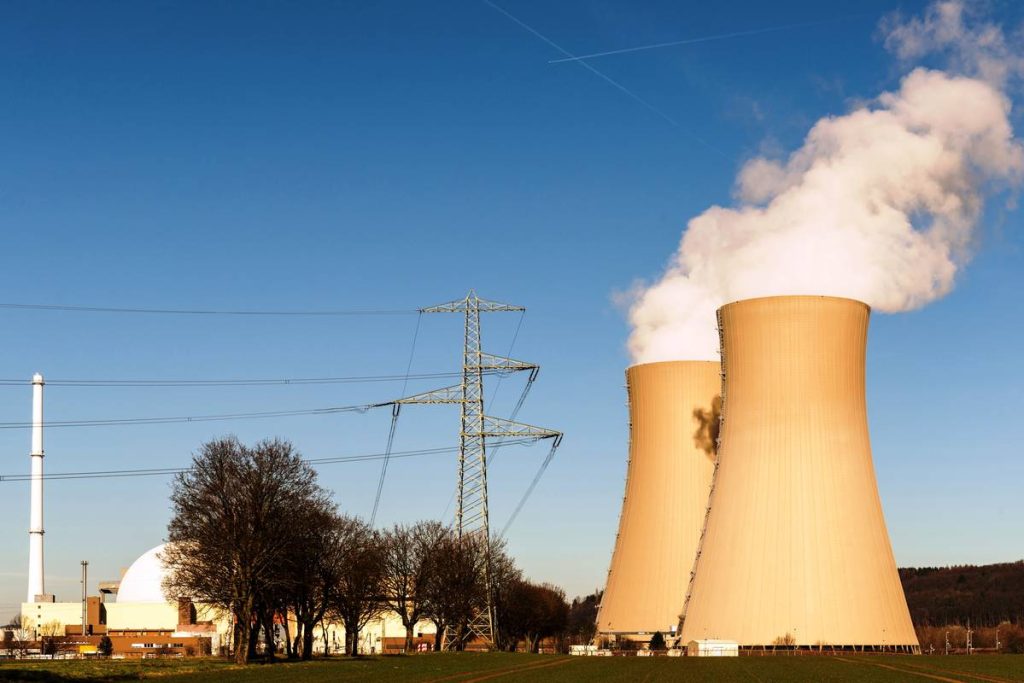
Why Walmart Is Betting on Nuclear Power for Its Warehouses
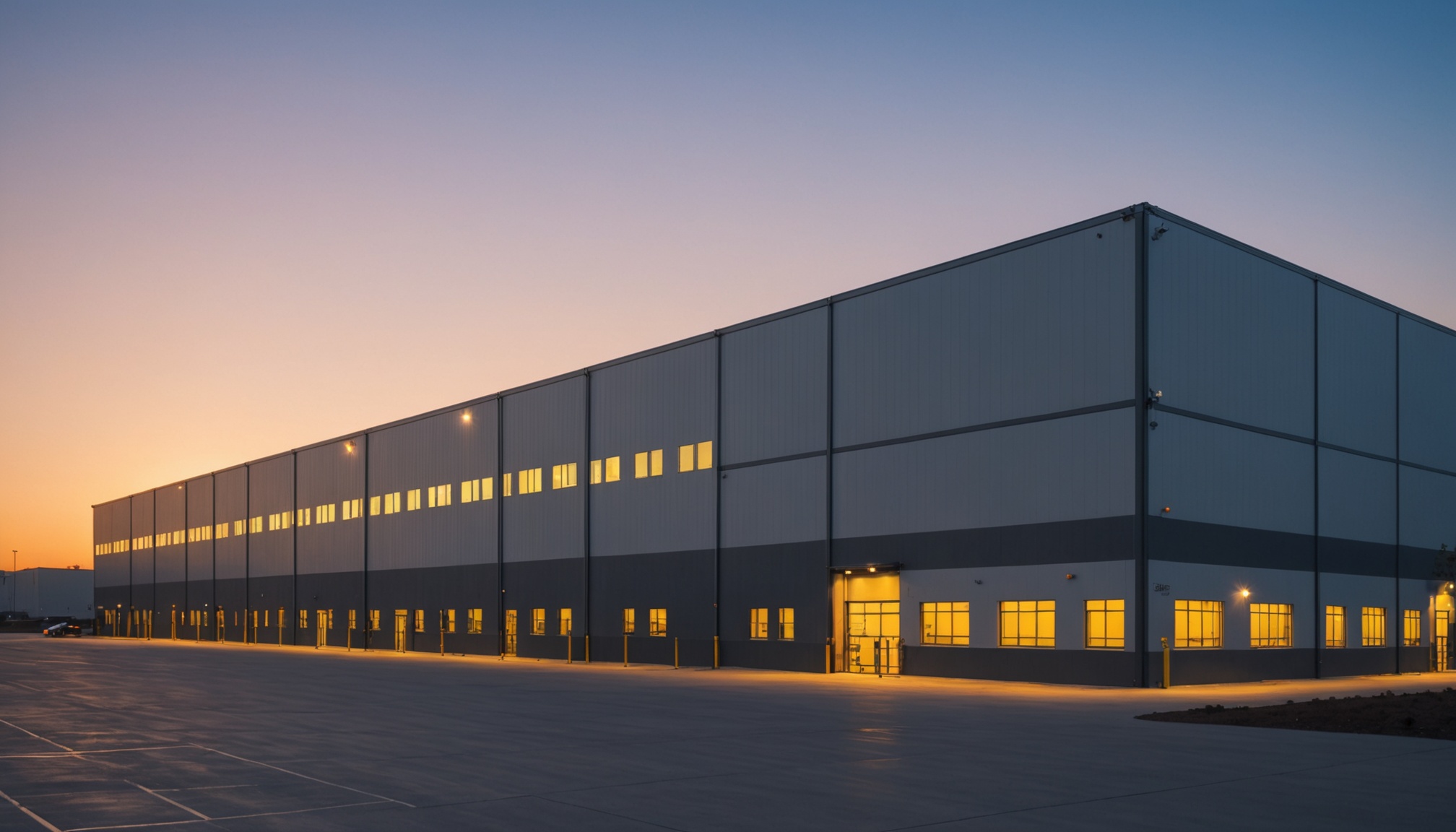
When you think about the future of retail energy, solar panels on big-box roofs might come to mind first. But Walmart is taking a different path entirely. The retail giant just signed a landmark nuclear energy deal with Constellation Energy to power one of its Illinois distribution hubs, and the implications ripple far beyond a single warehouse.
One sentence summary: Walmart is buying nuclear power directly for its warehouses because electrification demands baseload energy that the grid cannot guarantee.
The deal works like this. Constellation will supply nuclear-generated electricity under a long-term power purchase agreement specifically for Walmart’s warehouse operations in Illinois. This is not about buying renewable energy credits to offset consumption. This is direct, physical power delivery from a nuclear plant to a major retail distribution center, and it signals a fundamental shift in how the largest companies think about energy procurement.

Nuclear power has long been considered a nonstarter for corporate sustainability programs. It carries baggage from Fukushima and Chernobyl. It faces regulatory headwinds. It requires massive upfront capital. But something changed over the past two years. The Inflation Reduction Act included nuclear production tax credits that made existing plants more economically viable. At the same time, the scramble for reliable, carbon-free electricity reached a fever pitch as data center demand exploded and electric vehicle mandates loomed.
Walmart operates more than 150 distribution centers across the United States, many of which are in the process of electrifying their forklift fleets and installing vehicle charging infrastructure for their delivery trucks. A distribution hub with hundreds of electric forklifts charging simultaneously draws enormous power. Add in the refrigeration loads for grocery distribution and the automation systems for next-generation fulfillment, and you are looking at facilities that consume as much electricity as a small town.
The grid cannot simply absorb this new demand without major upgrades. Transmission bottlenecks, interconnection queues, and transformer shortages already delay new commercial hookups by years in many regions. Walmart is not waiting for the grid to catch up. By signing direct power purchase agreements with nuclear generators, the company effectively bypasses the transmission constraint problem. The power is already being generated. It simply needs to be contracted and delivered.
This strategy goes beyond hedging against volatile energy prices. Nuclear power offers something that solar and wind cannot: 24/7 baseload reliability regardless of weather. A warehouse operates around the clock, especially during peak holiday seasons. Solar panels produce nothing at night. Wind turbines stop spinning on calm days. Battery storage at the scale required for a major distribution hub remains prohibitively expensive. Nuclear fills the gap perfectly.
Constellation Energy, the partner in this deal, operates the largest fleet of nuclear plants in the United States. The company has been aggressively marketing nuclear power to corporate buyers as a clean energy solution that pairs well with renewable portfolios. The logic is straightforward. A company can sign wind and solar PPAs for daytime generation and layer nuclear on top for nighttime and baseload needs. The combination produces a truly round-the-clock carbon-free energy profile.
The Walmart deal is also notable for what it says about the broader energy-logistics nexus. Supply chain leaders have traditionally treated energy as a fixed cost buried somewhere in facilities management. That mindset is collapsing. Energy availability now dictates where companies can build warehouses, how fast they can scale automation, and whether they can meet their own electrification deadlines. A distribution center without adequate power is just a very expensive empty building.
Several other large retailers and logistics providers are watching closely. Amazon has invested in nuclear-powered data centers. Target has explored similar arrangements. The economics of direct nuclear deals improve as more companies sign on, because the fixed costs of plant operation can be spread across multiple off-takers. Industry analysts expect a wave of corporate nuclear PPAs over the next three years, particularly in regions like the Midwest and Mid-Atlantic where existing nuclear plants have available capacity.
Critics argue that signing nuclear deals props up an aging fleet of reactors that should be retired in favor of a fully renewable grid. But the pragmatists in supply chain leadership counter that the grid is not ready. The fastest path to decarbonizing logistics is not waiting for perfect renewable infrastructure. It is using every tool available today, including nuclear, to displace fossil fuel consumption immediately.
For Walmart, the decision is fundamentally about resilience. A warehouse without power is a supply chain failure. As extreme weather events strain grids from Texas to California, and as demand growth outpaces generation buildout, direct nuclear contracts provide a hedge against operational risk that goes far beyond carbon accounting.
The Constellation-Walmart deal may be a one-off today, but it points toward a future where energy procurement becomes a core supply chain strategy rather than an afterthought. The companies that figure this out first will have a structural advantage over competitors who wait for the grid to solve itself.
If nuclear is suddenly palatable for the world’s largest retailer, it is worth a hard look at your own energy strategy. The warehouse of the future runs on something far more reliable than sunlight or wind. It runs on atoms.