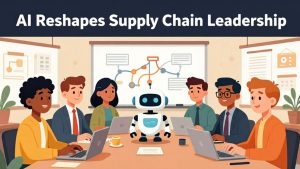
AI Reshapes Supply Chain Leadership
When the boardroom goes AI-first, the supply chain function needs to be ready with data, models, and a clear strategy.
Supply Chain Blog
When the boardroom goes AI-first, the supply chain function needs to be ready with data, models, and a clear strategy.
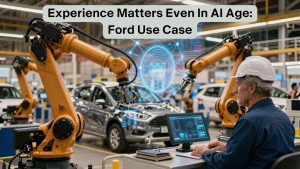
ord Motor Company recently hired 350 veteran engineers (some former employees, others drawn from suppliers) after artificial intelligence and automated quality systems failed to deliver the expected results. The company calls them “gray beard” engineers,…
Every year, companies pour millions of dollars into artificial intelligence technology for their supply chains. The overwhelming majority of that investment targets one thing: route optimization. Shave a mile here, save a minute there, and…
For years, supply chain conversations around last mile delivery have focused on routing optimization, carrier capacity, and delivery speed. These factors remain important, but as retailers and logistics providers continue compressing fulfillment windows, attention is…
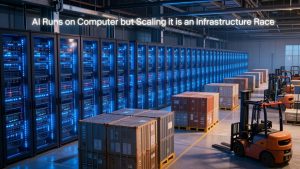
When people talk about artificial intelligence, the conversation almost always centers on the technology itself. Better GPUs, larger models, more training data, breakthrough algorithms, and top AI talent dominate headlines and venture capital pitches. But…
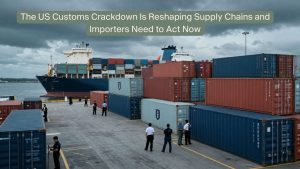
The landscape of US customs enforcement has shifted dramatically. With the president’s executive order Strengthening Customs Enforcement now in effect, the Department of Homeland Security has been directed to revise importer obligations, increase penalties, and…
Every time a tech giant announces mass layoffs, the story is framed as a human resources story. Jobs lost. Careers disrupted. Communities affected. All true. But there is another story that runs beneath the surface,…
There is an assumption taking hold across supply chain media. It goes something like this: deploy robotics in the warehouse, layer on analytics dashboards, sprinkle in some agentic AI, and the future of logistics will…
Most companies approach AI in supply chain the same way they approached email automation in the 1990s: they take an existing process, add a software layer on top, and call it transformation. Stack an AI…