The phone on a mid-size carrier’s desk rings forty times a day, and forty times a day it is one of four questions. Where is my shipment? When will it arrive? Why is it late? Can you rebook it? A company you have probably never heard of built software that answers those calls, and in 2026 investors valued that company at more than a billion dollars.
The logistics industry’s loudest statement about artificial intelligence this year did not come from a CEO keynote. It came from a term sheet. And it has changed what every executive in freight should be watching.
The money is the message. AI in logistics is no longer a pilot project or a slide in a strategy deck. It is a capital battleground, and the funding rounds are the roadmap. When the sums get this large this fast, the market is not guessing anymore. It is placing bets.
Take the most visible example. A $150 million raise at a $1.2 billion valuation for a company whose entire business is conversational AI for freight. Not warehouse robots. Not autonomous trucks. Software that talks to shippers and carriers the way a good customer service representative would, only faster and at any hour. The round says something uncomfortable for the rest of the industry: the market now believes the most mundane communication in logistics is worth over a billion dollars to automate.
Look further down the chain and the pattern repeats. The world’s largest container line is not buying its way into AI, it is building the technology itself, quietly assembling an in-house stack that covers booking, pricing, and operations. A liner that size does not invest in proprietary software as a hobby. It is betting that control over technology will decide who keeps the margin in container shipping.
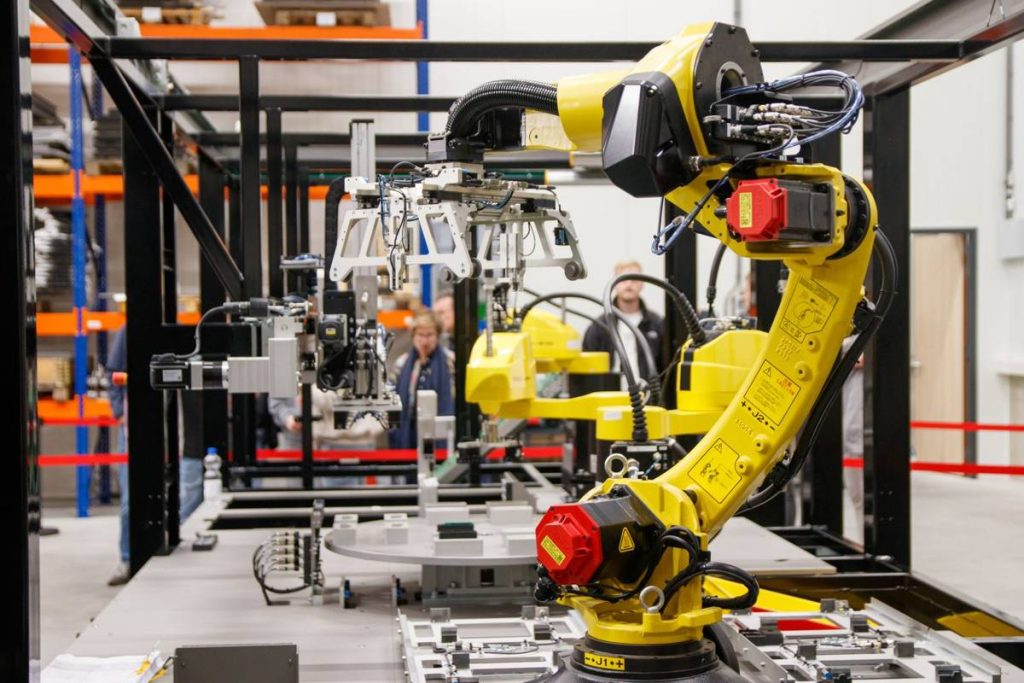
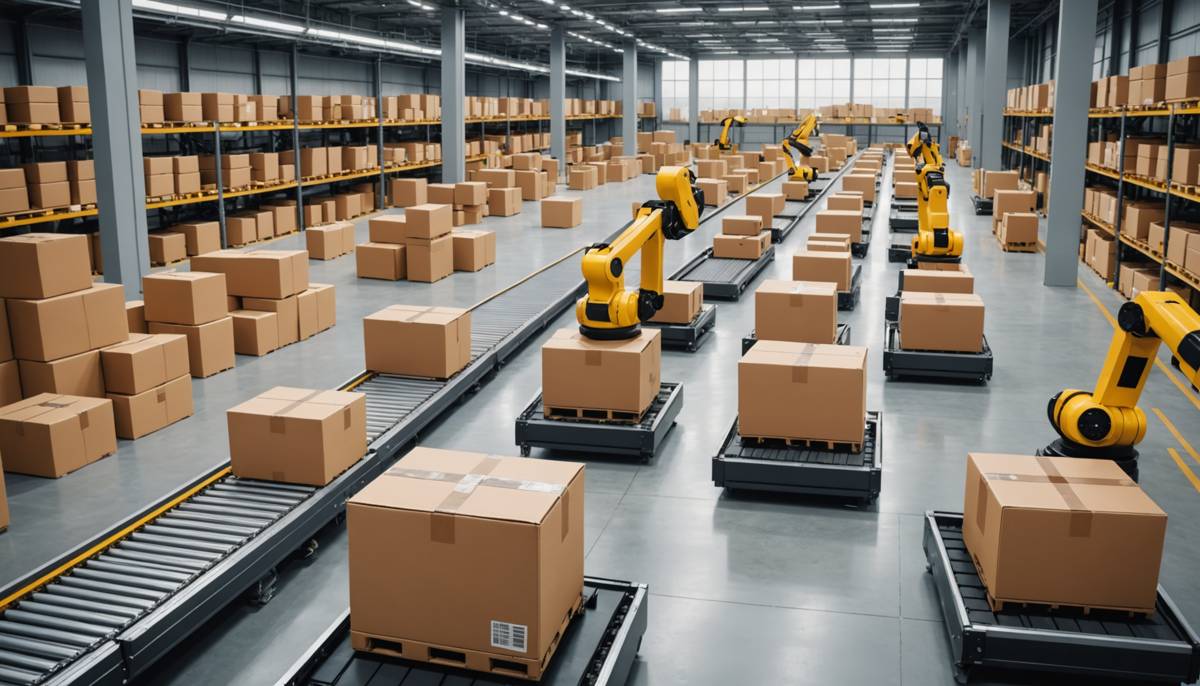
In the warehouse, the story is similar but gentler. The most promising robotics coming out of this generation of automation companies are not humanoid giants replacing crews. They are collaborative machines, the kind that walk an aisle with a worker, hand them the right box, and learn a new layout without a single line of code. The pitch is not cheaper labour. The pitch is the same workers with superpowers, and investors are buying that pitch too.

Then there is the least glamorous corner of all. Manufacturing finance is quietly putting AI inside the accounts payable workflow, where invoices arrive in every format imaginable and the exceptions keep an entire department busy. Nobody writes a headline about invoice matching. But the economics are brutal: a back office that processes paper and PDFs eats real margin, and AI removes it with almost no drama. That is exactly why the money likes it.
Consider what this looks like from the desk of a mid-size forwarder. Her team of two answers every call, chases every status update, and sends the same follow-up emails at the same time every day. She knows the work is repetitive. She also knows she cannot hire three more people to handle growth. When a vendor offers an AI agent that does the chasing for her, the choice is not whether she believes in AI. The choice is whether she keeps burning her two best people on questions a machine can answer.
One mid-size 3PL in exactly that position started with a single lane. The leadership was openly skeptical; the first demo felt like a chatbot from 2019. But they gave it the one task nobody wanted, the status-call queue, and measured it against the humans. Within a season, the routine calls were answered before the team arrived in the morning, the humans were working the exceptions that actually needed judgment, and the follow-up emails that used to slip through the cracks had stopped slipping. The lesson was not that the AI was brilliant. The lesson was that the cheapest, most boring work turned out to be exactly the work machines should have been doing all along.
The gold rush is not a metaphor about robots taking jobs. It is a capital allocation event, and it is happening in the parts of logistics that executives walk past: phone calls, invoices, and the last aisle of the warehouse. The companies that read the funding rounds as a roadmap will see their own vulnerabilities early. The ones that treat AI as a technology decision instead of a competitive one will be the ones answering the phone in five years.
So ask yourself one question today. If investors are paying $1.2 billion for the right to answer your customers’ routine calls, what is the routine work inside your own operation worth to them?