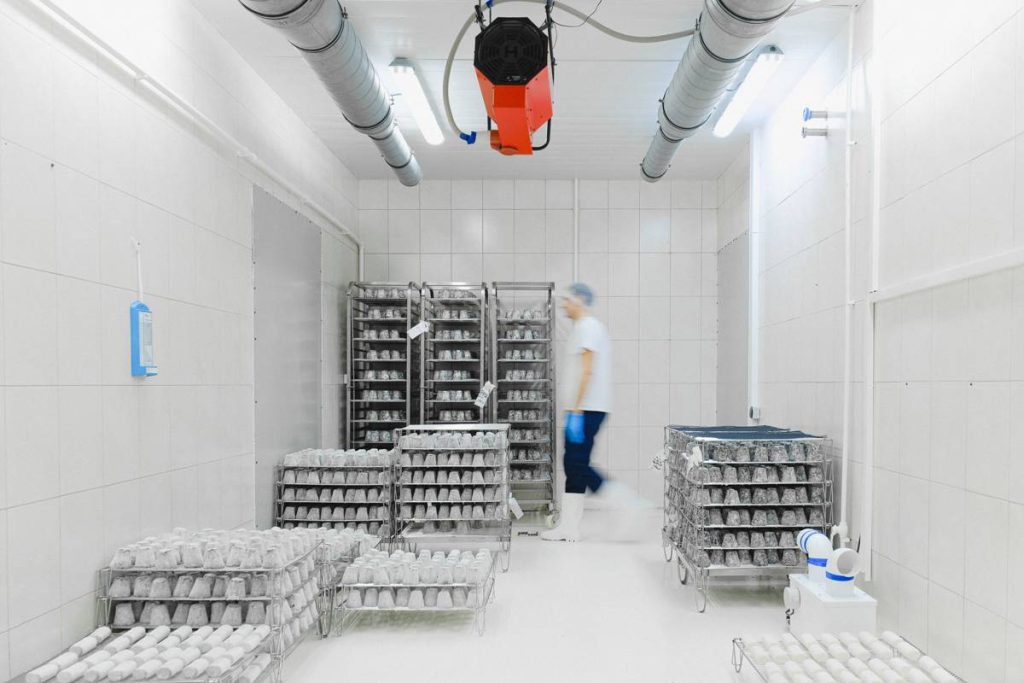
The room can stay cold while confidence disappears
A cold room can keep running while trustworthy evidence about its temperature disappears. The refrigeration may still be doing useful work, yet the people responsible for product quality may no longer know whether the readings, alarms, or commands deserve confidence. A quiet control screen is not the same as a verified physical condition.
This is narrower than a general technology outage. Refrigeration controllers and monitoring systems sit close to physical processes. A changed setpoint, forced heating or defrost cycle, or loss of visibility may affect a room while ordinary business applications remain available. These are possible consequences of exposed or weak controls, not a claim that every system can be changed remotely.
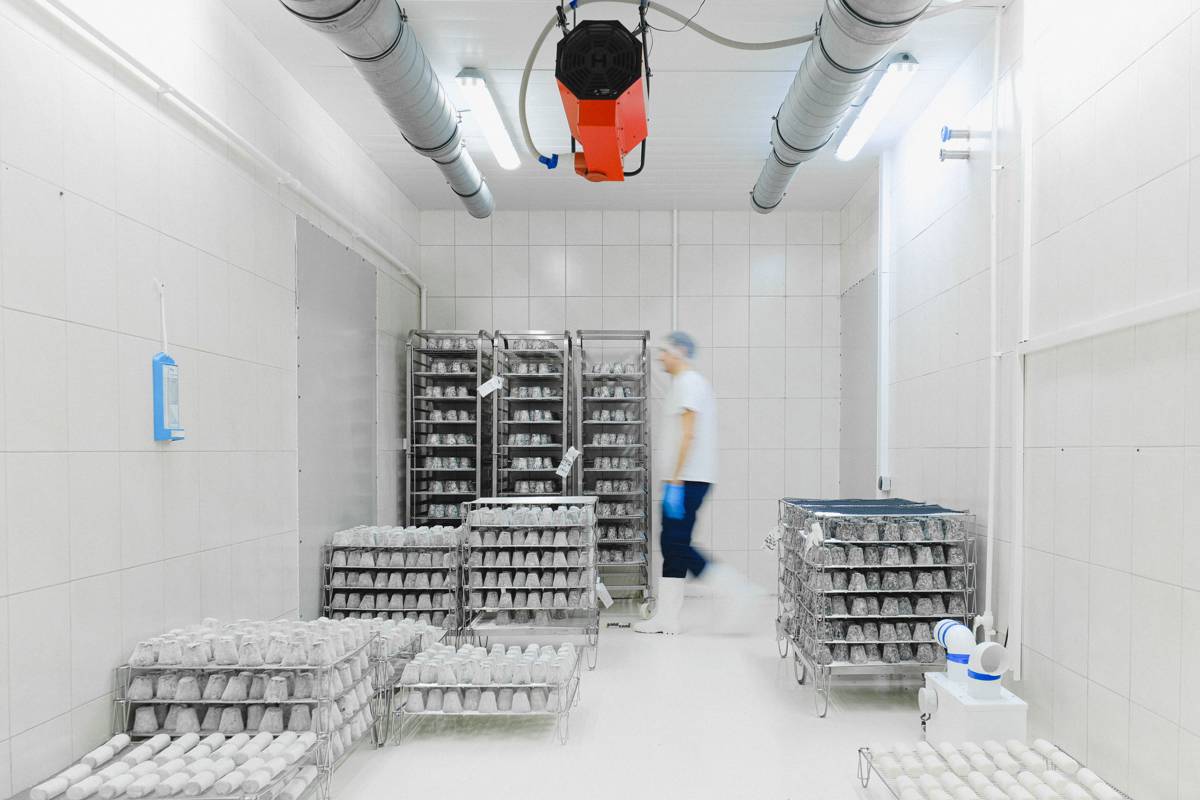
Protecting remote access to cooling is a product quality responsibility, not purely IT. Authorized remote access can help a supplier diagnose equipment and help operators respond quickly. Securing that access does not mean casually unplugging live equipment. It means reviewing the route, permissions, safeguards, and engineering implications before changing how the equipment is supported.
Control and monitoring are related, but they are not the same. A controller operates refrigeration equipment and routines. A monitoring system observes conditions, records readings, and raises alarms. One may be compromised while the other continues reporting. The reverse is also possible: a failed sensor or blocked alert path may leave equipment operating normally while creating uncertainty about the product environment.
Availability is useful, but availability alone is not trusted evidence. A visible number becomes meaningful when its source, timing, integrity, and relationship to the physical process are understood. Exposed weak or unpatched controls may permit changed temperatures, forced heating or defrost, or loss of monitoring. Password protection by itself does not prove that the control path or the evidence path is safe.
Evidence needs an independent path
Identify who can change the refrigeration process and who can independently establish what happened to the product environment. Those responsibilities should not depend on one shared account or dashboard. Give remote support a named owner, a defined supplier relationship, and a process for approving, limiting, expiring, and reviewing access.
An independent temperature logger and alarm path can provide a useful second view. Review its placement, calibration, time synchronization, communications, retention, and access. Independence is a recommendation, not a guarantee and not a universal legal requirement. Its practical value is that one controller, account, network segment, or display is less likely to determine both the condition and the record used to explain it.
Protection should begin with exposure. Remove unnecessary public internet access to operational technology. For necessary access, use a controlled remote route, unique strong credentials, phishing resistant multifactor authentication where feasible, and least privilege. Remove dormant accounts. Supplier access should expire after work, with logs that connect an authorized person, session, command, and time.
Business systems and refrigeration controls need deliberate boundaries, with only required communications between them. Allowlists can reduce unwanted paths. Track firmware and lifecycle support with the equipment owner and manufacturer or integrator. A patch decision must consider safety, availability, validation, and the procedure for operating equipment, rather than treating every update as a routine desktop change.
Operators also need bounded choices. Document safe setpoint ranges, alarm thresholds, manual procedures, tested backups, and fail safe capabilities before uncertainty arrives. Protect backups from the same failure path and test restoration. Retain logs and relevant network records long enough to support product review and a defensible decision about which evidence is reliable.
There is no universal temperature or time threshold that decides every case. Food, medicines, chemicals, and other temperature sensitive goods have different requirements. A cyber event or temperature excursion does not automatically mean stock is ruined. Qualified quality personnel need product specific criteria, temperature history, sensor confidence, and handling information before deciding whether to release, hold, investigate, or dispose.
Turn uncertainty into a controlled decision
Illustrative warehouse supervisor scenario: the primary monitoring server loses contact with a cold room. The refrigeration controller still shows an acceptable reading, and the room continues to run. The supervisor cannot yet tell whether this is a communications failure, a monitoring failure, or an unauthorized change that the display is hiding. The immediate problem is not to name the cause. It is to protect the product decision while evidence is incomplete.
The supervisor does not release the product on the strength of one screen. The team follows its manual procedure, checks the independent logger and local indicators, restricts remote access, records its actions, and asks the quality owner to assess the evidence. Engineering reviews the controller and network path before restoring connectivity. The result is a controlled hold while the evidence is evaluated, not an assumption that the product is ruined or safe.
The scenario is deliberately modest. Preparation cannot promise that every signal will remain available or every control action will be blocked. It can provide more than one way to observe conditions, accountable roles, and a safe sequence for isolating and restoring equipment. The quality decision remains tied to product specific evidence, while operators have clear instructions for containment and escalation.
A tabletop exercise can test that sequence without touching live refrigeration. Walk through the alert, access restriction, manual operation, independent record, product hold, engineering review, and restoration steps. Include the manufacturer or integrator where needed. Test recovery from protected backups, note where evidence might be lost, and assign owners to the gaps.
The practical next step is for the accountable refrigeration and remote access owner to schedule a review with engineering and quality. Verify the access route, confirm the independent temperature record, and document the isolation and restoration procedure. Put the product decision with the appropriate quality authority.