
Illustrative scenario: a delayed harvest can make airfreight more necessary at the same moment it makes airfreight harder to afford. Weather can push a crop past a fast vessel departure, leaving a narrow selling window and a product that still needs a buyer. The grower has fewer saleable days, while the shipment now faces a premium transport decision. That is the uncomfortable economics facing many perishables exporters as air capacity and handling costs rise.
Buy speed only when the saleable cargo can repay it.
This is not an argument for abandoning airfreight. It is an argument for choosing it at batch level, with the customer, destination, and actual condition of the crop in view. One lot may have a firm premium order and a workable connection. Another may face a lower price, a weaker arrival position, or handling requirements that make the flight a poor use of scarce cash.

Delay changes the shipment decision
Weather delayed harvests expose the gap between a harvest plan and a transport plan. Cathay Cargo vice president for the Americas Fred Ruggiero has described the practical problem: when fruit misses a fast boat, more of it may need to travel by air. Yet the delay can also reduce the quantity that remains fit for the intended market. Paying to move every remaining box quickly may protect some revenue and waste the rest.
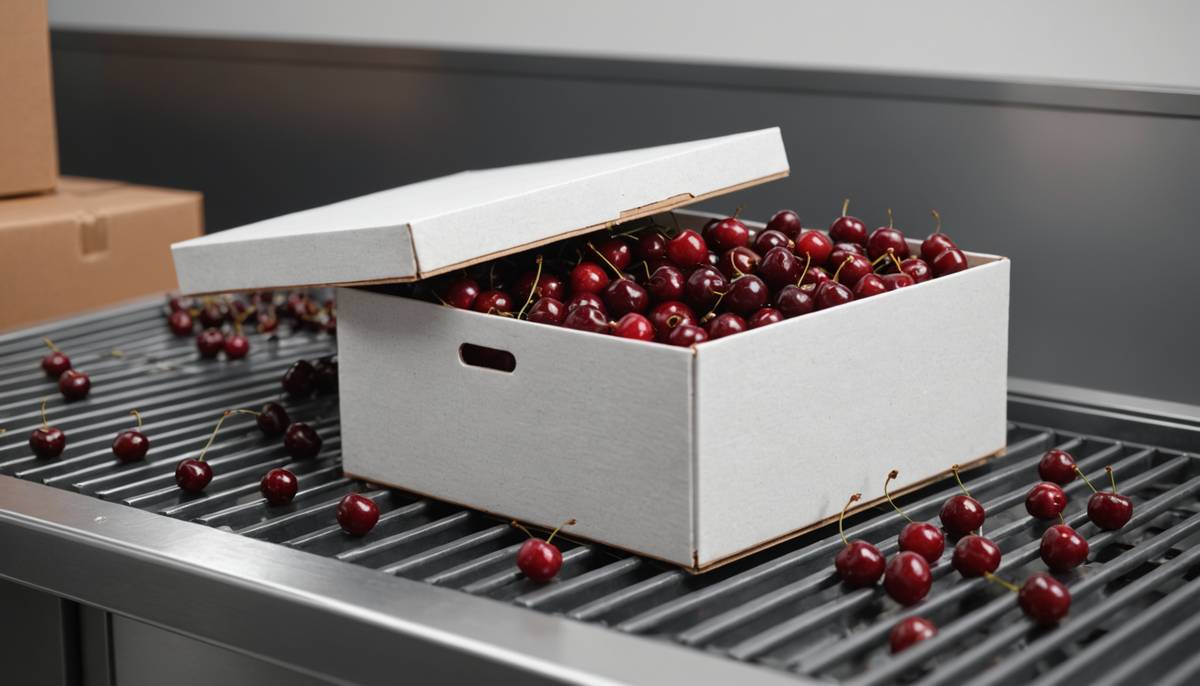
Chilean cherries illustrate why the route itself matters. Cargo moving through Miami, Los Angeles, or New York needs rapid onward connections into Asia, with product conditions maintained through transfers. Airport arrival is not the same as delivered quality. A missed connection, a crowded cold room, or unsuitable handling can consume the time that the flight was meant to preserve. The relevant clock runs from harvest to buyer acceptance, and the decision must record how much selling life remains when the buyer can receive the cargo.
Capacity reports also need careful reading. Cathay has reported lift shortages between Asia and the United States and within Asia, but that does not establish a shortage on every route. Availability, connection recovery, cutoffs, and cold handling can differ by gateway and date. A planner should test the route that the batch can actually use rather than apply a broad market headline to every shipment.
The product adds another constraint. Perishables do not share one standard temperature, humidity, or cover requirement. Flowers, cherries, and other sensitive cargo can need different protection and transfer discipline. An available flight is therefore only a candidate. The forwarder and airline must confirm that the planned service can maintain product condition through the whole movement.

Measure value that can still be sold
Start with expected net proceeds from the saleable yield, not the original harvest value. Against that estimate, place the full transport and handling cost, likely claims and disposal exposure, and credible alternatives. The calculation should not count the same loss twice. A reduced saleable quantity lowers expected revenue. A full cargo writeoff is a separate possibility, not an automatic extra charge. Claims liability also needs its own treatment, because recovery is not guaranteed and may not cover the commercial loss.
Then compare feasible routes using real operating details. Record transfer time, cold room availability, product handling, flight connection and recovery options, and the latest cutoff. Include the slower mode only when it is physically and commercially possible for that batch and buyer. A theoretical ocean option does not help cargo that cannot reach the required market condition or contract timing.
The illustrative scenario is a cherry harvest delayed by weather after the planned vessel departure is no longer reachable. The planner separates the lots by condition, buyer commitment, destination, and remaining selling life. One group may be tested against a confirmed air connection. Another may be assessed for a later sailing, a different market, or disposal if neither route preserves acceptable value. The exercise separates decisions without claiming that any option will work.
The same discipline applies to flowers and other low margin products. Avianca Cargo chief executive Diogo Elias has contrasted the willingness of technology companies to spend on AI servers with the tighter economics of flower shippers. Atlas Air chief commercial officer Martin Drew has warned that demand elasticity can make some products uneconomic to fly. Those observations support a commercial test, not a universal rule about mode choice. A buyer may reject the higher delivered price, or a grower may lose too much margin before the cargo reaches the shelf.
Make the trigger a shared operating rule
Planning should begin before the crop is late. Growers, forwarders, and airlines can agree the latest viable departure, the condition checks that activate a replan, and who has authority to decide. If a harvest delay triggers that process before the warehouse fills, the team has more room to secure a connection, revise the destination, or stop a shipment that cannot earn its cost. Advance interline or charter discussions are useful only when those parties coordinate around the actual crop timing.
For the next shipment, write down the batch, customer, destination, promised receipt, product requirements, and decision deadline. At that deadline, compare saleable yield and remaining selling life with verified route choices and their full exposure. Ask whether the buyer can accept the delivered economics, not merely whether an aircraft has space. Record the reason for the choice so the next harvest can improve the trigger.
When the deadline arrives, confirm the buyer, verify the route and condition plan, then book air only for the lots that still clear the value test.