
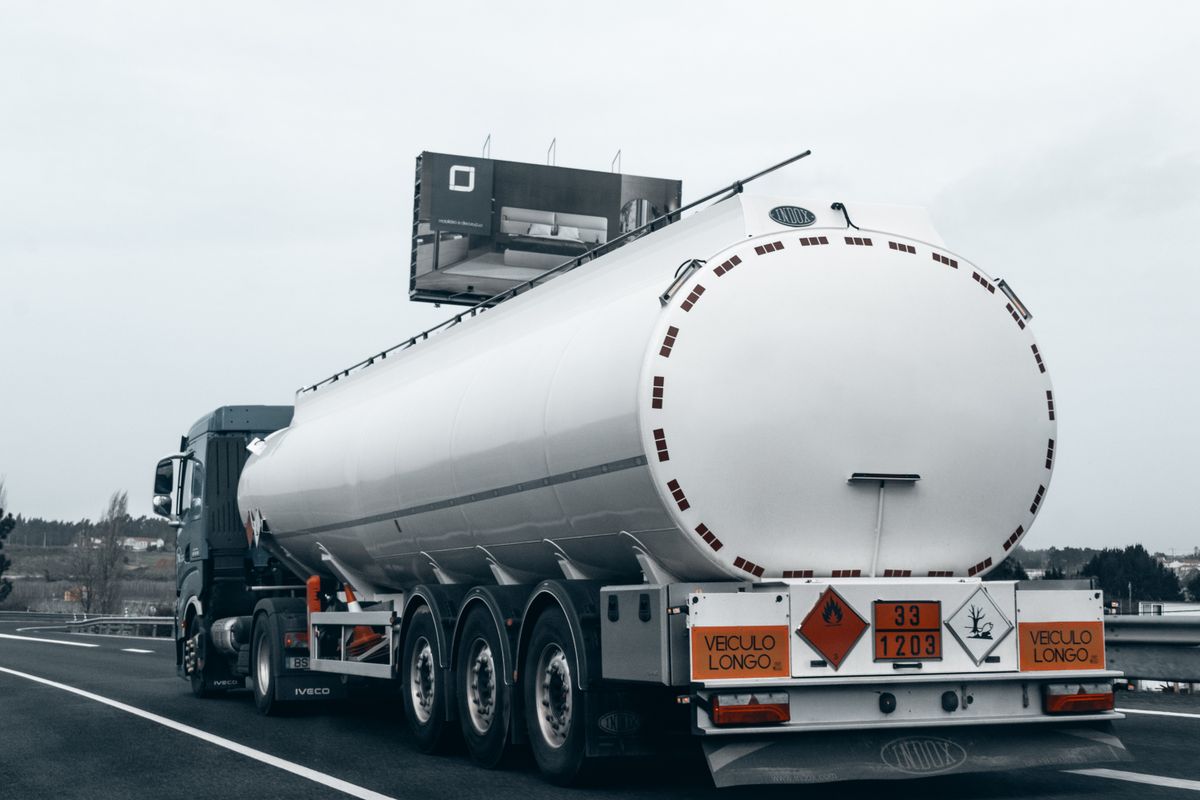
Supply chain professionals have learned to watch semiconductors. A shortage of microchips can shut down an automotive plant for weeks. They watch container availability, port congestion, and warehouse capacity. But there is a vulnerability that is both more fundamental and less discussed: diesel.
Oxford Economics recently flagged diesel as the fuel most exposed to supply strains across the global economy, and the reason is straightforward. Diesel powers nearly everything in freight. Trucks run on diesel. Trains run on diesel. Ships run on diesel. Construction equipment, warehouse forklifts, and backup generators run on diesel. There is no substitute at scale for any of these applications in the near term, and the global diesel supply chain is more fragile than most executives realise.
In recent weeks, that fragility has been exposed from multiple directions simultaneously.
Four Disruptions, One Weak Point
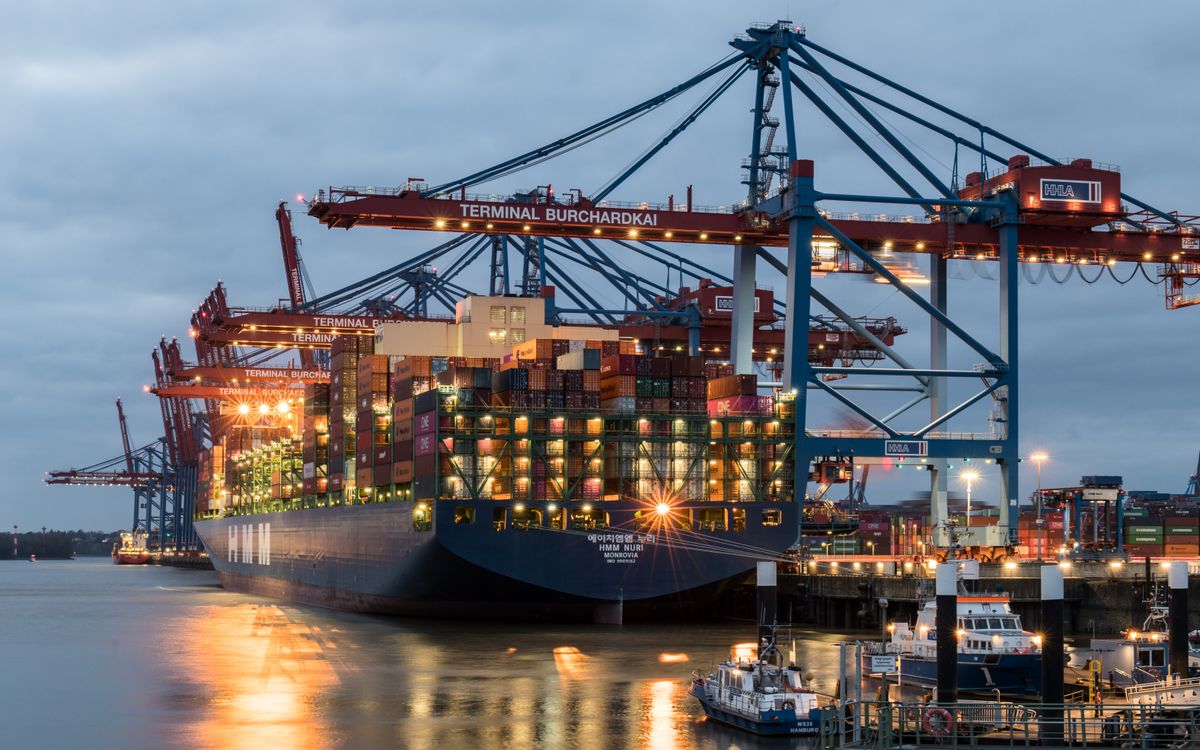
Chittagong Port, Bangladesh. Severe flooding has disrupted operations at one of South Asia’s busiest ports, damaging infrastructure and halting cargo handling. Exporters are demanding compensation. The disruption ripples through the regional diesel supply chain because Chittagong is a critical entry point for refined fuel products serving Bangladesh and northeastern India. When the port stops, the diesel supply to an entire region tightens.
Antwerp, Belgium. A toxic gas leak forced the closure of several quays at the Port of Antwerp-Bruges, Europe’s second-largest port. While some quays have since reopened, the incident disrupted the flow of petroleum products through one of the continent’s most important fuel hubs. Antwerp is a major gateway for diesel imports into northwest Europe. Any interruption there compounds the pressure on a market that has been running on thin margins since the energy crisis.
US Tariff Uncertainty. A looming US tariff on Brazilian exports threatens to disrupt trade flows that include biodiesel and petroleum products. Brazil is one of the world’s largest producers of biodiesel, and the US is a significant market. Tariffs would redirect those flows, creating mismatches in regional diesel availability and price differentials that take months to normalise.
Jones Act Waiver Debate. The US cabotage law known as the Jones Act requires goods shipped between US ports to be carried on American-built, American-crewed vessels. Waivers are occasionally granted to address fuel shortages (for example, allowing foreign-flagged tankers to deliver heating oil to New England during extreme cold. The debate over renewing these waivers is intensifying, and uncertainty around their availability creates a structural risk for diesel supply in regions that depend on coastal tanker deliveries.
Why Diesel Is Different from Semiconductors
The semiconductor shortage taught supply chain leaders to map their chip dependencies, dual-source critical components, and build buffer inventory. The diesel vulnerability requires a different kind of attention because the dynamics are fundamentally different.
Semiconductors are a supply problem: not enough fabrication capacity to meet demand. Diesel is a logistics problem: the fuel exists, but getting it to the right place at the right time depends on a chain of port operations, pipeline capacity, barge availability, and trucking that is far more fragile than the physical production of the fuel itself.
A semiconductor shortage builds slowly, over months. A diesel disruption can materialise in days. A port closure, a pipeline cyberattack, a refinery outage, or a sudden regulatory change can create regional shortages within a single week. There is no strategic stockpile for diesel in most countries the way there is for crude oil. Commercial inventories are lean, and the just-in-time delivery model that works for most retail products also applies to fuel logistics, which means there is very little buffer when something goes wrong.
Early-Warning Indicators to Watch
Supply chain leaders who treat diesel as a strategic risk rather than an operational given watch four indicators:
1. Regional diesel inventories. The US Energy Information Administration publishes weekly diesel inventory data by region. When stocks in the Northeast or Midwest fall below 25 days of cover, the risk of a price spike or supply disruption rises sharply.
2. Refinery utilisation rates. Global refinery capacity has been declining for years as older facilities close and new ones face regulatory delays. When utilisation rates exceed 90 percent, the system has no spare capacity to absorb an unplanned outage.
3. Port congestion in fuel hubs. Rotterdam, Houston, Fujairah, and Singapore are the critical nodes. Any disruption in these hubs ripples globally within days.
4. Policy signals. Tariff announcements, Jones Act waiver decisions, and environmental regulations that affect refinery operations or fuel specifications can create supply dislocations that persist for months.
The Fragile Fuel
Diesel is not going away. Electric trucks are coming, but they will not displace diesel at scale for at least another decade in long-haul freight. In the meantime, the global supply chain remains fundamentally dependent on a single fuel that is more exposed to simultaneous disruptions than most leaders realise.
The organisations that treat diesel supply risk with the same seriousness they apply to semiconductor shortages will be better positioned to absorb the shocks that are already arriving. Those that do not will discover that the weakest link in their supply chain is not a microchip or a container. It is the fuel that moves everything else.