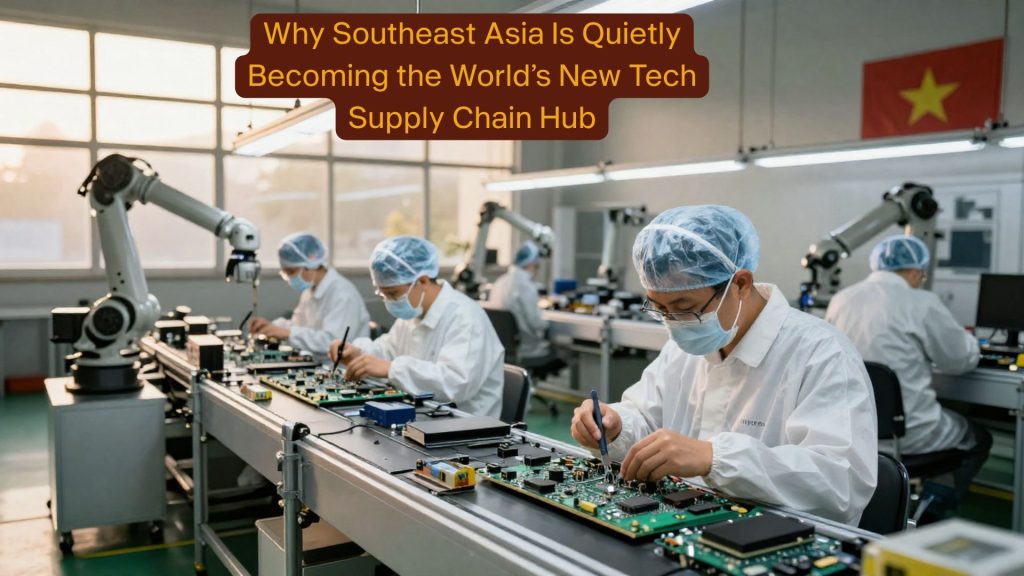
For years, Vietnam was described as the backup plan. A secondary option for manufacturers who wanted one foot outside China but never quite committed to leaving. That description no longer fits. Vietnam is no longer the alternative. It is becoming the primary destination for some of the most strategic segments of global tech supply chains, and the logistics industry is reconfiguring itself at high speed to keep up.
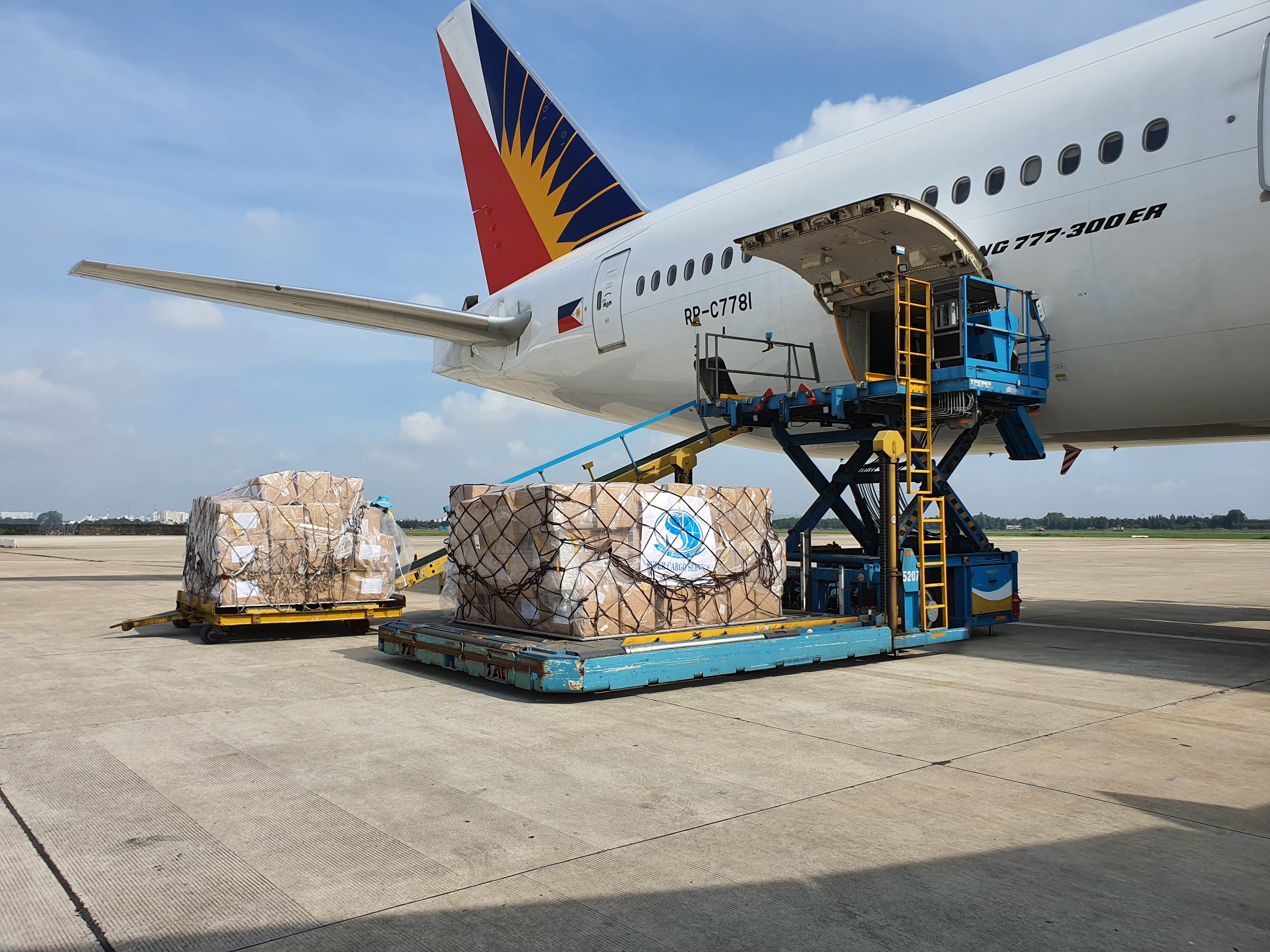
The latest signal came from Ceva Logistics, which launched a three-times-weekly Boeing 777 freighter service connecting Hanoi to Chicago. The service covers pickup and cargo consolidation across multiple Vietnamese gateways including Hanoi, Danang, and Ho Chi Minh City, with multimodal coordination, customs brokerage, and transhipment support woven into the operation. This is not a trial run. It is a structural response to demand that is not slowing down.
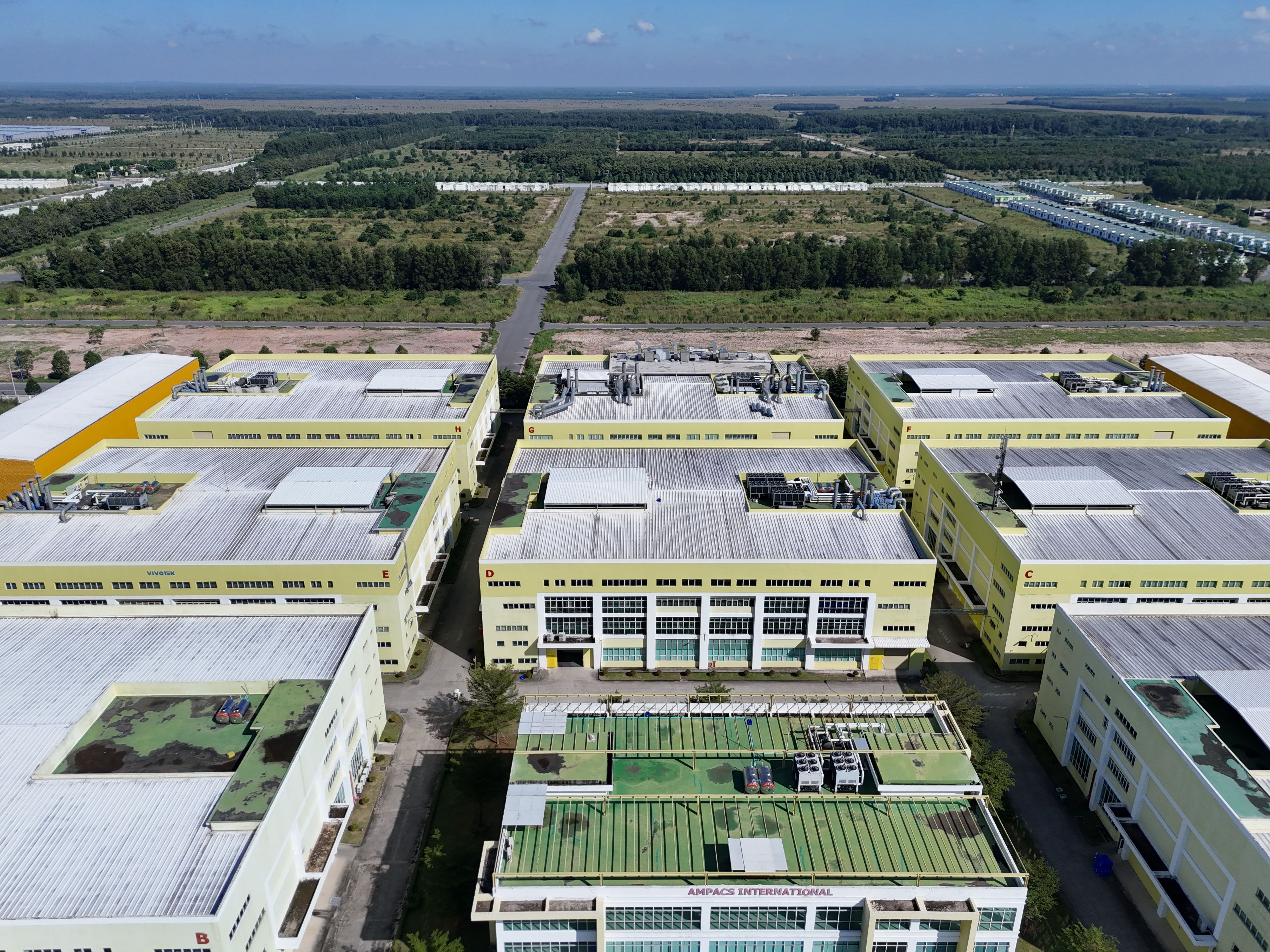
The numbers confirm the trend. Vietnam attracted $24.8 billion in foreign investment commitments in the first five months of 2026, a 34.9 percent increase year on year, with roughly 65 percent of that flowing into manufacturing and processing. Samsung is building a second facility in Thai Nguyen province. Posco Future M is investing in battery materials. BYD is expanding its electronics production. Taiwan’s Well Shin is shifting AI server power cord production to Vietnam after securing cloud-related orders. Huawei has expanded its partnerships in the country across AI, energy, and 5G infrastructure. The list is not diverse in the sense of random industries landing in the same country. It is concentrated in precisely the technologies that define the next decade of global trade.
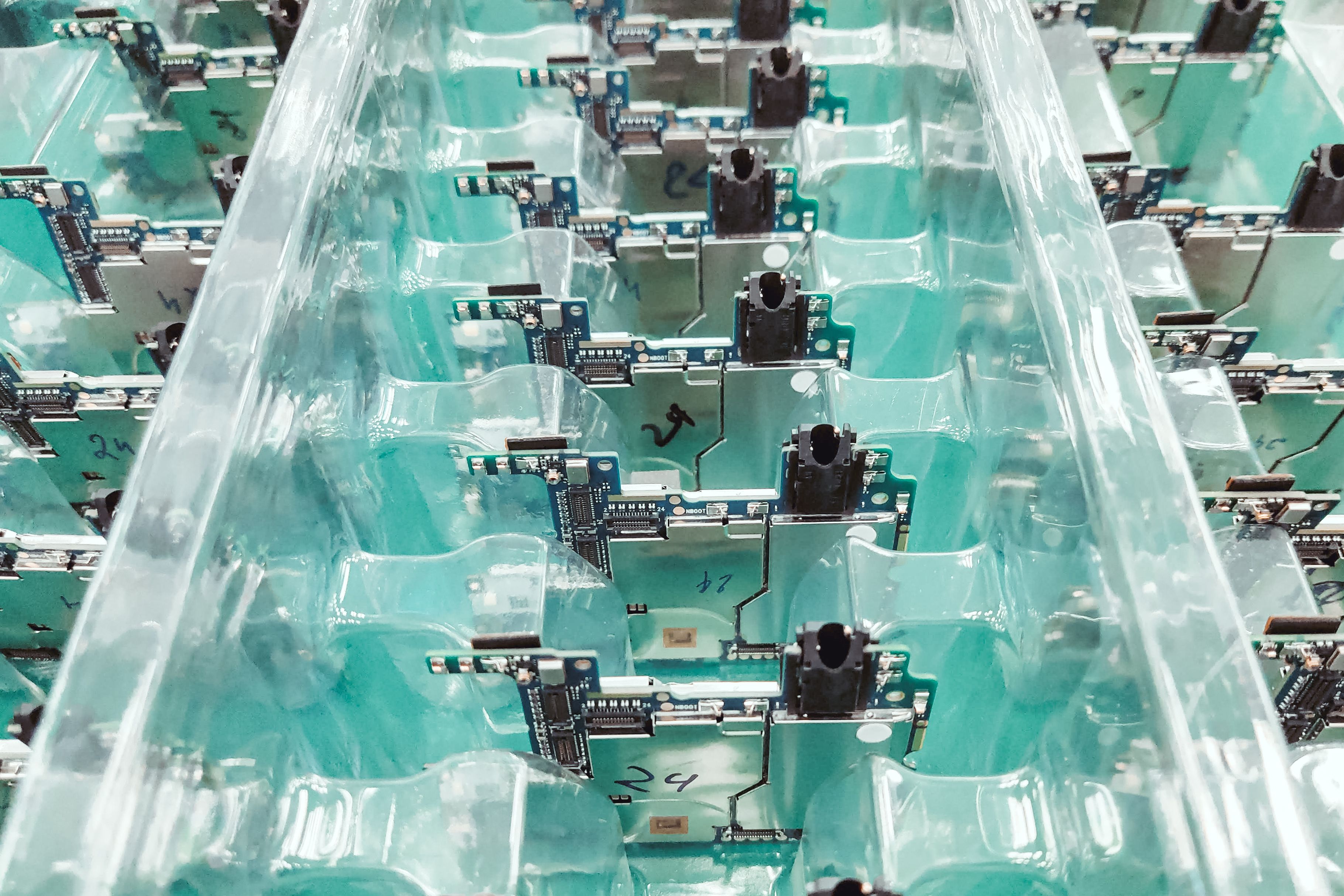
What makes this shift different from earlier waves of manufacturing relocation is the speed and the type of production involved. Previous moves from China were largely about labor cost arbitrage. Garments, footwear, and basic electronics assembly went to Vietnam because wages were lower. That wave has largely played out. The current wave is driven by something else entirely: the need for geopolitical resilience, supply chain redundancy, and proximity to fast-growing Asian markets for advanced technology products. These are not low-margin items. They are AI infrastructure components, semiconductor-adjacent manufacturing, cloud data center equipment, and electric vehicle supply chain elements. When Ceva runs a 777 freighter three times a week between Hanoi and Chicago, it is carrying cargo with a value density that justifies the air freight premium.
The impact on air freight capacity has been immediate. Aevean, a freight intelligence consultancy, reports that Vietnam’s AI-related air cargo exports increased 110 percent year on year in the first four months of 2026. Forwarders report that capacity out of Hanoi and Ho Chi Minh City has tightened significantly, with exports to the US facing critical space constraints and elevated rates. CMA CGM Air Cargo launched its own twice-weekly freighter route between Paris and Hanoi. The market is responding exactly as a textbook supply chain shift would predict: when production moves, logistics follows, and when logistics constraints appear, rates rise, and new capacity is added by whoever can deploy it fastest.
Vietnam’s digital infrastructure is scaling to match. Industry forecasts point to rapid growth in AI-ready data centers, cloud infrastructure, and edge computing facilities across the country. Hyperscale facilities are expected to account for the largest share of this expansion, driven by cloud growth and AI-related computing demand. This is not incidental. A country that wants to be a serious tech manufacturing hub must also be a serious data hub. The two are linked. Data centers follow the same pattern as factories: they locate where the infrastructure is reliable, the energy is available, and the policy environment is predictable.
For logistics operators, the Vietnamese market presents a complex opportunity. The yields are attractive on outbound tech cargo, but the directional imbalance is stark. Full planes leaving Hanoi and Ho Chi Minh City for the US are matched by planes arriving with significantly less volume, creating a backhaul challenge that operators must price into their networks. The ability to solve this imbalance will separate the players who can build a sustainable Vietnam-US operation from those who cannot.
The broader implication is that the “China-plus-one” framework, already an inadequate description of Vietnam’s trajectory, is becoming actively misleading. Vietnam is not plus-one to anything. It is building the infrastructure, the investment base, and the logistics network to function as a primary node in global tech supply chains. Samsung’s second facility, BYD’s electronics expansion, and the surge in data center investment are not diversification plays. They are concentration plays. Capital is consolidating in Vietnam because the country has the policy stability, the workforce, and the geographic position to serve a global tech market that needs more than one manufacturing anchor.
For supply chain professionals, the takeaway is clear. The Vietnam story is no longer about labor costs. It is about logistics capability, infrastructure investment, and the strategic repositioning of global tech production. The operators who understand this will be the ones building the air freight networks, the warehousing capacity, and the multimodal connections that define the next decade of trade between Southeast Asia and North America. Everyone else will be competing for the leftover capacity at elevated rates, wondering why they did not see it coming.