
Introduction
Information-feedback control systems are the backbone of all life and human activity, from biological evolution to advanced technological systems. As Jay W. Forrester, the pioneer of system dynamics, once said:
“Everything we do as individuals, as an industry, or as a society is done in the context of an information-feedback system.”

This principle is especially critical in supply chain management (SCM), where information flow and feedback loops determine efficiency, resilience, and adaptability. In this blog, we explore how information-feedback systems shape modern supply chains and why they are essential for success.
What Are Information-Feedback Control Systems?
An information-feedback control system is a closed-loop mechanism where outputs are continuously monitored and fed back into the system to adjust inputs, ensuring optimal performance. These systems are present in:
- Nature as homeostasis in living organisms
- Technology as automated inventory control, IoT devices for better service
- Business as demand forecasting and replenishment
In supply chains, feedback loops help organizations respond dynamically to changes in demand, supply disruptions, and market fluctuations.
How Information-Feedback Systems Power Supply Chains
Supply chains are complex networks involving suppliers, manufacturers, logistics providers, and customers. Efficient SCM relies on real-time data and feedback to:
1. Demand Forecasting & Inventory Control
- Feedback Mechanism: Sales data → Demand forecasting algorithms → Inventory & Production adjustments for improved fullfilment
- Benefit: Prevents stockouts and overstocking, reducing costs.
2. Supplier Performance Monitoring
- Feedback Mechanism: Quality & delivery metrics → Supplier scorecards → Procurement strategy updates
- Benefit: Ensures reliable suppliers and minimizes disruptions.
3. Logistics & Transportation Optimization
- Feedback Mechanism: GPS & traffic data → Route adjustments → Faster deliveries
- Benefit: Lowers fuel costs and improves delivery times.
4. Customer Feedback Integration
- Feedback Mechanism: Customer reviews → Product/service improvements → Enhanced satisfaction and customer retention
- Benefit: Strengthens brand loyalty and market competitiveness.
Real-World Applications in Supply Chain Management
Amazon’s Dynamic Fulfillment System
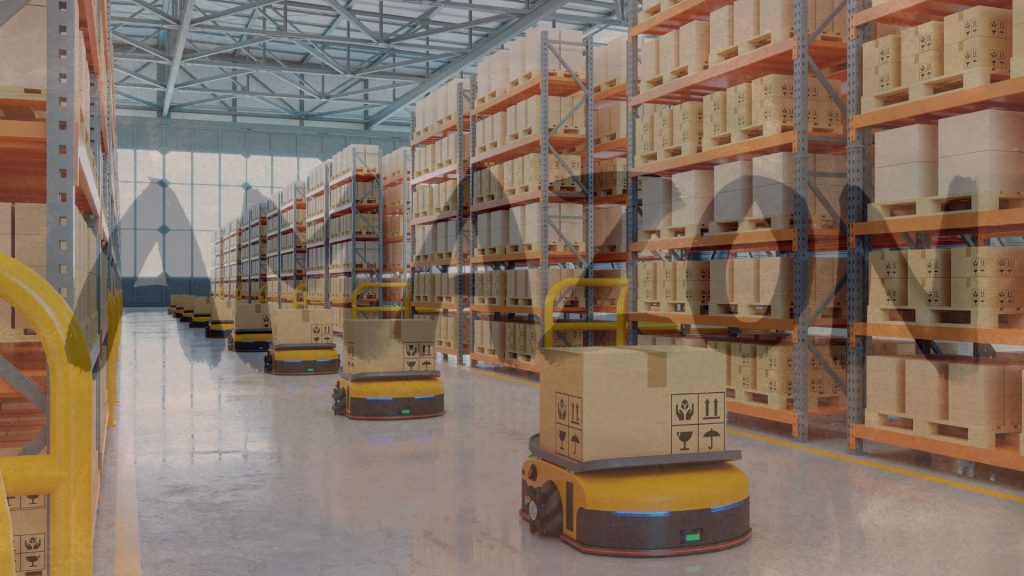
Amazon’s supply chain is a benchmark for efficiency, largely due to its Dynamic Fulfillment System, which leverages AI-driven feedback loops to optimize operations in real time. Below, we delve deeper into how Amazon uses these feedback mechanisms to:
Optimize warehouse robotics for faster order processing.Reroute shipments dynamically to avoid delays.
1. Adjusting Inventory Based on Real-Time Demand Signals
Amazon’s AI systems analyze real-time sales data, browsing behavior, and external factors (e.g., weather, trends) to dynamically adjust inventory levels across its global fulfillment network.
- Predictive Demand Forecasting: AI models process historical sales, seasonal trends, and even social media signals to predict demand spikes (e.g., Cyber Monday saw forecasts for 400M+ daily orders).
- Multi-Echelon Inventory Optimization: Inventory is strategically distributed across warehouses based on regional demand, reducing stockouts and overstocking. For example, the Sequoia system stores 30M+ items closer to customers, cutting fulfillment times by 25%.
- Automated Replenishment: AI triggers restocking orders when thresholds are breached, ensuring high-demand products are always available.
2. Optimizing Warehouse Robotics for Faster Order Processing
Amazon’s fulfillment centers rely on AI-powered robotics to streamline operations, with feedback loops ensuring continuous improvement.
- Sequoia System: A robotic inventory management system that identifies and retrieves items 75% faster than manual processes.
- Proteus Autonomous Robots: Navigate warehouses autonomously, transporting packages while avoiding obstacles, improving safety and speed.
- Sparrow Robotic Arm: Uses computer vision and AI to handle 200M+ unique products, reducing mis-picks and delays.
Feedback Loops in Action:
- Real-time performance data from robots (e.g., picking accuracy, movement efficiency) is fed back into AI models to optimize workflows.
- During peak seasons, robotic systems scale to handle 110K+ packages/day (up from 60K).
3. Dynamically Rerouting Shipments to Avoid Delays
Amazon’s logistics network uses AI to monitor and adapt to disruptions in real time.Key Systems:
- AI-Powered Route Optimization: Adjusts delivery paths based on traffic, weather, and carrier capacity. For example, during COVID-19, AI rerouted shipments to avoid bottlenecks.
- Load Balancing Algorithms: Distributes shipments across delivery stations to prevent congestion.
- Project P.I. (Private Investigator): Uses generative AI + computer vision to inspect packages for damage before shipping, reducing returns by 20%.
Feedback Loops in Action:
- Delivery performance data (e.g., delays, carrier reliability) is continuously analyzed to refine routing decisions.
- AI predicts delays before they occur, allowing preemptive rerouting.
Toyota’s Just-in-Time (JIT) System

Toyota’s JIT operates as a pull system, meaning production is triggered by actual demand rather than forecasts. This lean manufacturing approach relies on real-time signals between assembly lines and suppliers to maintain optimal inventory levels.
1. Kanban: The Visual Feedback System
- Kanban cards (or digital alerts) signal when parts are needed.
- When a part is used on the assembly line, a Kanban is sent to the supplier for replenishment.
- This ensures zero excess inventory while preventing shortages.
Example: If a Toyota factory uses 100 brake pads per hour, Kanban signals ensure suppliers deliver exactly 100 pads to the supplier; no more, no less.
2. Takt Time: Aligning Production with Demand
This metric ensures assembly lines match the exact pace of customer orders, avoiding overproduction.
Takt Time = (Available Production Time) / (Customer Demand)
Challenges & Solutions in Implementing Feedback Systems
While feedback-driven supply chains offer immense benefits, challenges include:
- Data Silos: Lack of integration between systems.
- Solution: Implement interfaces and IoT for seamless data sharing.
- Delay in Feedback: Slow response times lead to inefficiencies.
- Solution: Use AI and predictive analytics for real-time adjustments.
The Future of Feedback-Enabled Supply Chains
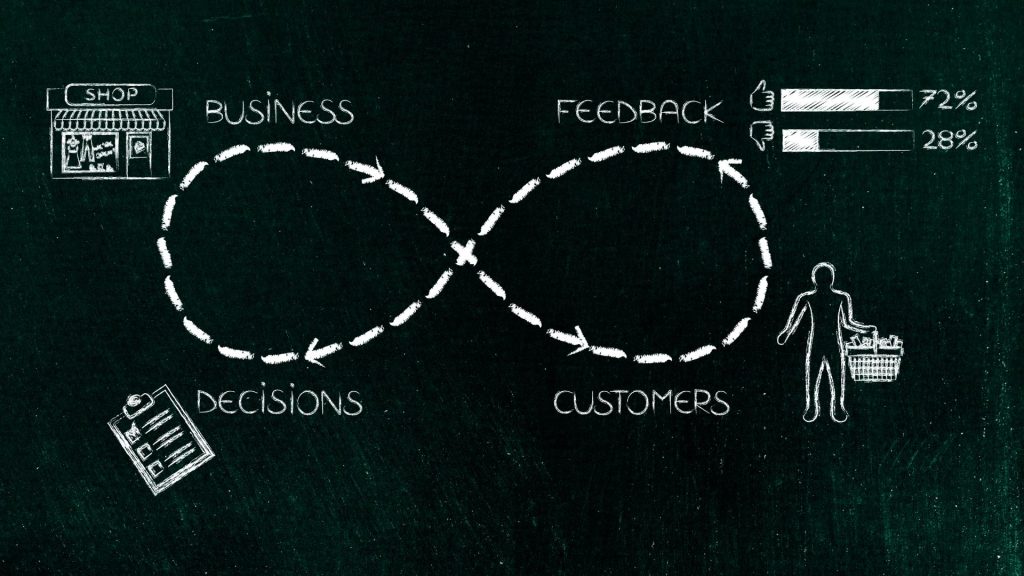
As supply chains grow more complex, the role of information-feedback control systems becomes even more critical. Companies that leverage real-time data, AI, and closed-loop feedback mechanisms will lead in:
✔ Agility – Faster response to disruptions.
✔ Efficiency – Reduced waste and lower costs.
✔ Customer Satisfaction – Better alignment with market needs.
By embracing Forrester’s principles of system dynamics, businesses can build smarter, self-correcting supply chains that thrive in an ever-changing world.
Is your supply chain leveraging feedback control systems effectively?
[…] master storyteller John le Carré, and nowhere does this observation ring truer than in modern supply chain management. In an era where global supply networks span continents and encompass thousands of touchpoints, the […]
[…] levity force in supply chains manifests […]
Was just browsing mustafatarcan.online and was impressed the layout. Nicely design and great user experience. Just had to drop a message, have a great day! we7f8sd82
Thank you Ken