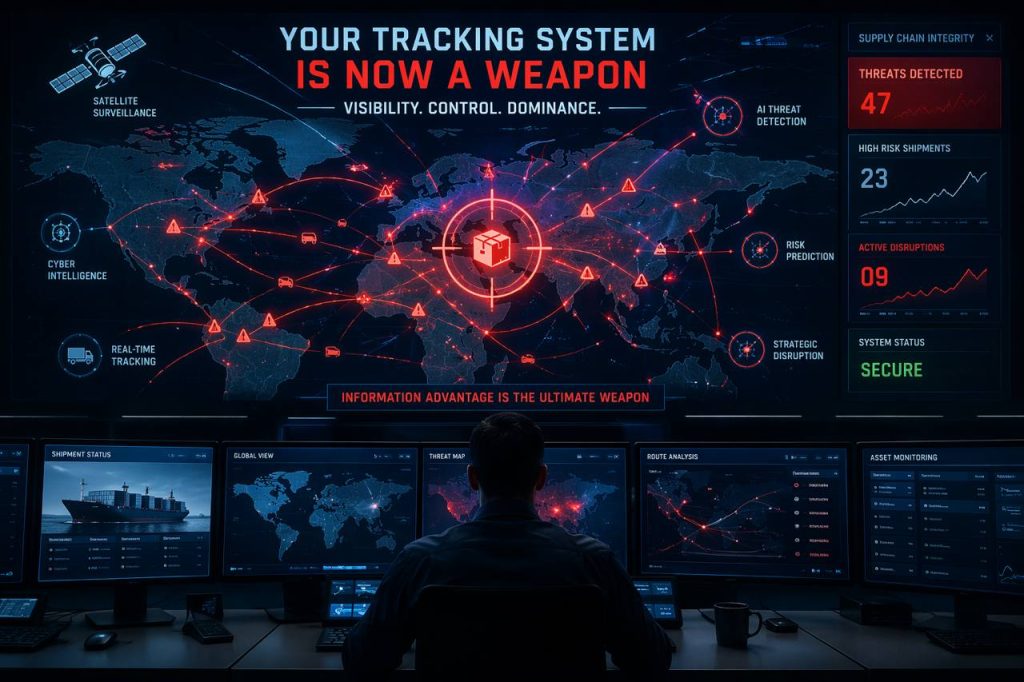
The same satellite infrastructure that lets logistics managers know exactly where their cargo is at any given moment is being turned against them. GPS tracking systems, once the gold standard of supply chain visibility, have become a double-edged sword. As cargo thieves grow more technologically sophisticated, they are learning to read the same signals that were meant to stop them.
The Irony of Visibility

Cargo theft has never been a crime of opportunity alone. Organized rings have long studied shipping patterns, terminal schedules, and driver routes. But what has changed in recent years is the scale and precision of the intelligence available to them. GPS transmitters, radio frequency identification tags, and cloud-based tracking platforms broadcast a continuous stream of location data. Most of this data is encrypted, but the patterns it creates are not. A truck that stops at the same warehouse every Tuesday afternoon for two hours reveals a schedule. A container that sits at a specific yard for three days before moving tells thieves exactly when to strike.
The irony is painful. The very tools designed to protect cargo by making its location transparent have created a new attack surface. Instead of breaking into a random truck and hoping for a valuable haul, sophisticated thieves now know precisely which shipments carry electronics, pharmaceuticals, or luxury goods, and exactly when those shipments will be vulnerable. The tracking system does not just tell the logistics manager where the cargo is. It tells the thief where to find it, too.
How the Exploitation Works
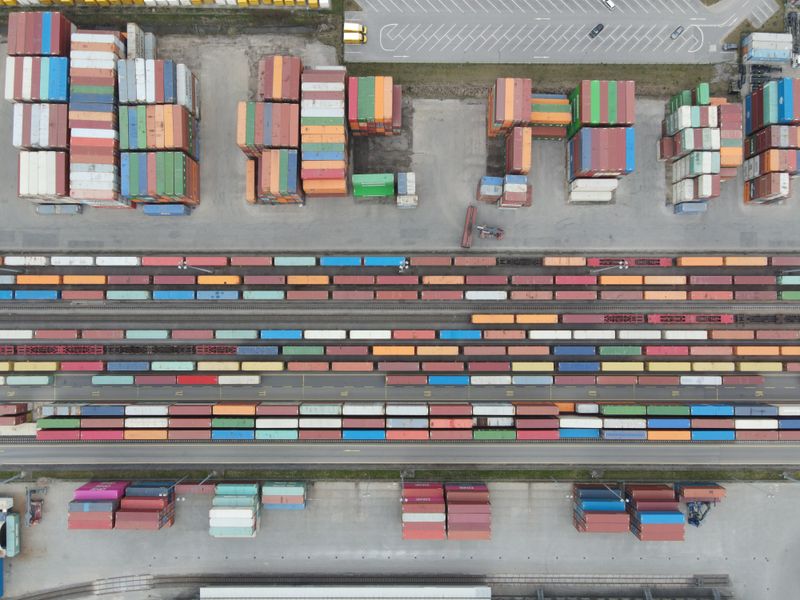
There are several layers to the problem. At the most basic level, thieves monitor the physical environment. A parked truck with a visible GPS antenna or a yard full of containers with trackers bolted to their doors is already announcing itself. But the deeper threat involves direct access to tracking data itself. In some documented cases, criminals have compromised the credentials of logistics portals, giving them real-time access to the same dashboard the shipper uses. They can see which trucks are delayed at customs, which routes have been pre-planned, and where the cargo will be sitting unattended.
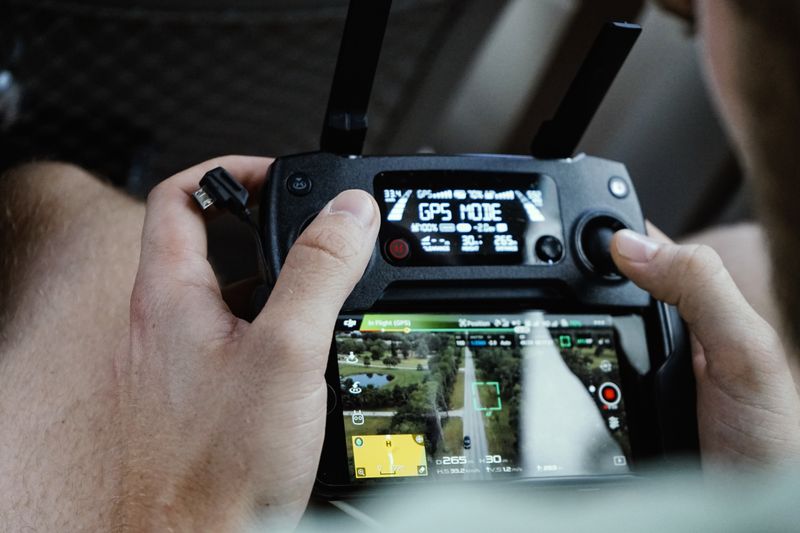
A second method involves signal jamming and spoofing. Low-cost GPS jammers, available for a few hundred dollars, can create a dead zone around a vehicle. The tracking platform sees the signal drop and flags an alert, but by the time anyone responds, the cargo is already gone. More advanced attackers use GPS spoofers to send false location data, making it appear that the truck is still moving along its intended route while it is actually being unloaded in an undisclosed location miles away.
The third and most alarming method is data aggregation. Thieves do not need to hack a single system. They can piece together publicly available information: port schedules, vessel tracking data, social media posts from drivers, and even job postings for high-value routes. When combined with weak password security on shared logistics platforms, the mosaic of data creates a complete picture of vulnerability.
Countermeasures for Logistics Managers
None of this means GPS tracking should be abandoned. The answer is not less visibility but smarter, more layered visibility. Here are practical countermeasures that logistics managers can implement today.
Segment Your Tracking Data
Not every person in the supply chain needs access to every piece of tracking information. A warehouse operator needs to know when a truck is arriving, but does not need to see the entire route history or the declared cargo value. Implement role-based access controls that limit tracking visibility to the minimum necessary for each function. The fewer people who can see the full picture, the fewer leaks.
Add Randomization to Schedules
Predictability is the thieves greatest ally. If a dedicated route runs every Tuesday at 2 PM without variation, it is only a matter of time before someone exploits the pattern. Introduce randomization in departure times, route choices, and rest stops. Even small variations can break the pattern recognition that organized cargo thieves depend on.
Use Geofencing with Silent Alerts
Standard GPS tracking sends continuous updates, which creates a broadcast of movement patterns. Instead, configure geofencing systems that only transmit when a vehicle deviates from its planned route or enters an unauthorized zone. This reduces the data trail that attackers can intercept while still providing actionable alerts for exceptions. Silent alerts that do not notify the driver or display on an in-cab screen are even better, since they do not tip off an attacker who may have compromised the vehicle itself.
Strengthen Authentication Practices
Many logistics tracking platforms still rely on single-factor authentication. For a system that reveals the real-time location of millions of dollars worth of cargo, this is dangerously insufficient. Multi-factor authentication should be mandatory for any user who can view tracking dashboards or receive alerts. Additionally, audit logs should be reviewed regularly for unusual access patterns, such as a user logging in at odd hours or from unexpected locations.
Layer Physical and Digital Security
Technology alone cannot solve a problem that technology helped create. Physical security measures like tamper-evident seals, locks that transmit breach notifications, and secure parking with surveillance should complement digital protections. The goal is to create multiple layers that an attacker must penetrate simultaneously, increasing the effort required and the likelihood of detection.
The New Arms Race
Every technological advancement in logistics security will eventually be studied, tested, and countered by those who wish to exploit it. This is not a reason for despair but a call to think differently about security. The mindset must shift from building an impenetrable wall to creating a system that detects and responds to intrusion faster than the attacker can complete the theft.
GPS tracking is not a weapon. But treating it as a simple visibility tool without understanding its vulnerabilities certainly can be. The logistics managers who will protect their cargo best are not the ones with the most advanced tracking hardware. They are the ones who understand that every signal they broadcast is also being received by someone they did not intend to reach.
The question is no longer whether your cargo can be tracked. It is whether your tracking system is making you a target.
Photo credits: Markus Winkler, Tobi & Chris, Kyle Loftus (Pexels)