
For decades, the supply chain world operated under a simple rule: cost is king. Companies optimized every link in their networks for the lowest possible price, often at the expense of flexibility and redundancy. Just in time inventory management became the golden standard, and anything that added cost without immediate return was seen as inefficiency.

But the world has changed. A cascade of black swan events from pandemics to geopolitical conflicts to climate driven disruptions has shown that the cheapest supply chain is rarely the most reliable. Today a new paradigm is emerging: resilience over cost. Companies that survive and thrive are those that can absorb shocks, adapt quickly, and keep goods moving even when the path is anything but smooth.
The Perma Crisis Reality
We are no longer living in an era of occasional disruptions. The term perma crisis describes a world where shock follows shock with little breathing room in between. Supply chain leaders now operate in a landscape where the next disruption is not a question of if but when. This fundamental shift demands a complete rethinking of how supply chains are designed and managed.
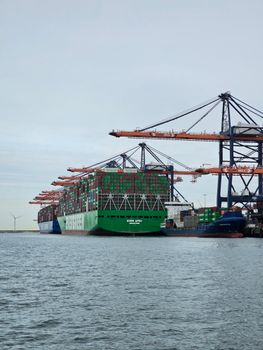
In this environment the cost of being unprepared far exceeds the premium paid for resilience. A single container ship stuck at a port, a single factory shut down by regulations, or a single supplier hit by sanctions can cascade into losses that dwarf any savings from lean inventory strategies. The arithmetic has inverted.
What Resilience Looks Like in Practice
Building a resilient supply chain is not about abandoning cost discipline. It is about strategically investing in capabilities that provide optionality. This means diversifying supplier bases, holding strategic buffer inventory, investing in digital visibility tools, and building relationships with multiple logistics partners rather than relying on a single low cost provider.
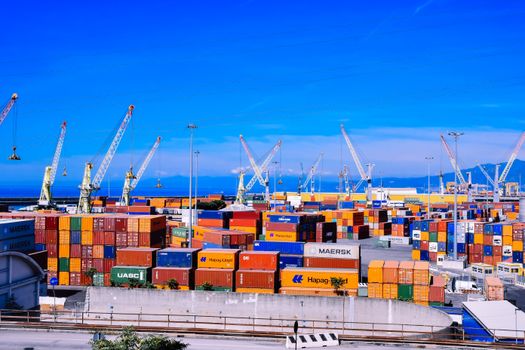
Companies that have embraced this approach are seeing tangible benefits. They are not just surviving disruptions they are gaining market share while competitors struggle. When a crisis hits the resilient company can fulfill orders while others scramble. That reliability becomes a competitive advantage that customers remember and reward.
The Role of Technology in Resilience
Digital transformation plays a crucial role in building resilience. Real time visibility platforms, AI powered demand sensing, and advanced analytics give supply chain leaders the ability to see disruptions coming and respond before they escalate. These tools transform supply chain management from a reactive discipline to a predictive one.
Predictive analytics can flag supplier risks before they materialize. Digital twins allow companies to simulate disruptions and test response strategies without real world consequences. And integrated planning platforms break down silos between procurement, logistics, and sales so the entire organization moves as one.
The Cost of Not Changing
The companies that continue to optimize solely for cost are taking a hidden risk. Every dollar saved by reducing inventory or consolidating suppliers is a bet that nothing will go wrong. In a perma crisis world that bet is increasingly dangerous. The true cost of resilience is not a premium it is an insurance policy against the unpredictable.
Forward thinking organizations are already making this shift. They are measuring supply chain performance not just by cost per unit but by time to recover, supplier diversity, and inventory coverage. These metrics tell a more complete story of health than traditional cost metrics ever could.
A New Measure of Success
The supply chain of the future will be judged by its ability to adapt, not just its ability to cut costs. Resilience will become as important a metric as cost efficiency in boardroom discussions. Leaders who embrace this shift will build supply chains that are not just efficient but antifragile systems that get stronger with every disruption they weather.
The choice is clear. You can continue optimizing for a world that no longer exists, or you can invest in the resilience that tomorrow demands. In the perma crisis era the most expensive supply chain is the one that cannot bend when the wind blows.