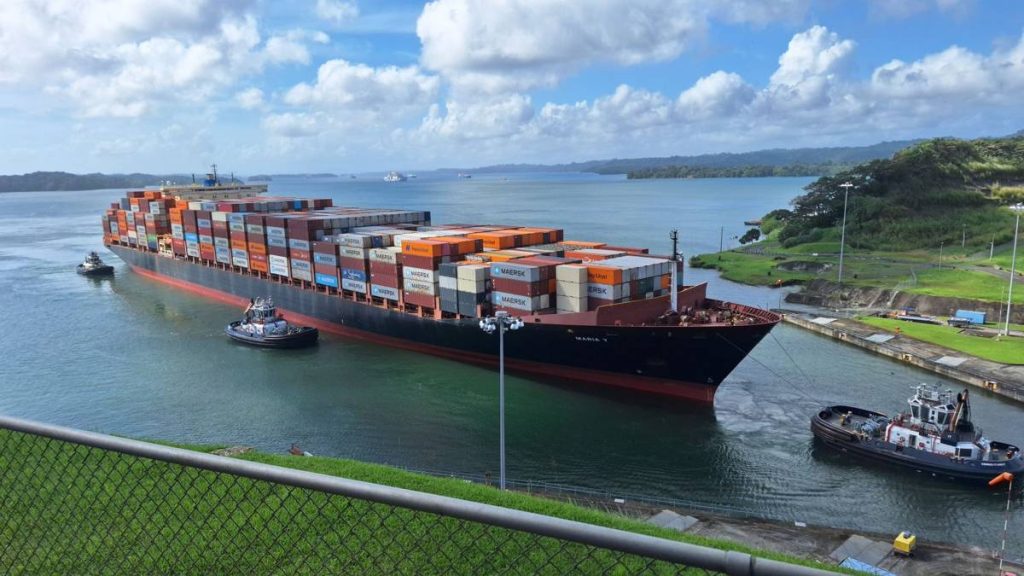
By Monday morning, the operating plan was already stale. A planner opened the week expecting the familiar ocean routing, then found a new constraint: the Panama Canal would reduce daily vessel transits to 29.5 in October. The schedule had not failed in the meeting room. It had failed before the week began, because its alternatives existed only as ideas.
A route plan is only as good as your ability to change it overnight.
That sentence sounds obvious until a lane actually moves. A route change is not a line edited in a transportation management system. It is a sequence: booking, slot, equipment, customs paperwork, inland drayage, and the warehouse receiving calendar. If any step needs a new contract, the lane cannot switch overnight. The fast parts are the parts already pre-negotiated or pre-approved.
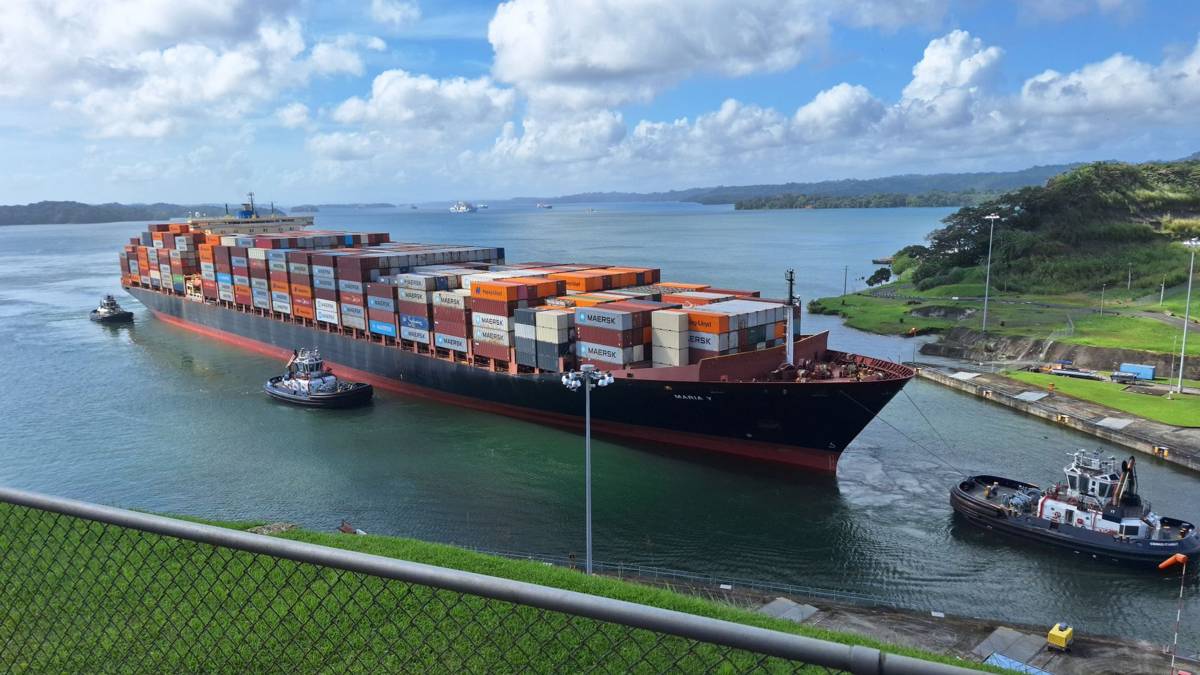
The canal constraint makes that distinction unavoidable. El Niño-driven drought has lowered Gatún Lake, and the authority had already cut draft restrictions for the largest Neopanamax vessels twice during the summer before postponing a third round. The result is not merely a longer transit estimate. It is a test of whether a network has a route that can be activated, or just a route that appears on a slide.
Meanwhile, carriers are stepping up their return to Suez, adding more Asia to Europe services through the Red Sea route. That creates an option, not an instant solution. A service may be available while the required slot, equipment allocation, customs process, inland connection, and receiving appointment remain unavailable. The operating question is therefore precise: which parts of the network can be switched now, and which parts are locked by agreements, schedules, or physical capacity?
The pressure is spreading beyond ocean routing. U.S. manufacturers face a renewed surge in supply chain costs from energy, tariffs, materials, and freight. AI-driven electronics demand is lengthening component lead times, while policy uncertainty discourages investment in extra capacity. Attacks near the Strait of Hormuz have continued, Brent crude settled above 100 dollars a barrel, and drone damage shut a major east-west pipeline that normally bypasses the strait. Chinese and Indian LNG buyers cut consumption and sought alternative supplies during the disruption.
These facts do not belong in a risk roundup. They belong on the clock. Annual assumptions can become wrong faster than the next planning cycle. A response designed only for ocean freight is incomplete, because freight still has to move inland.
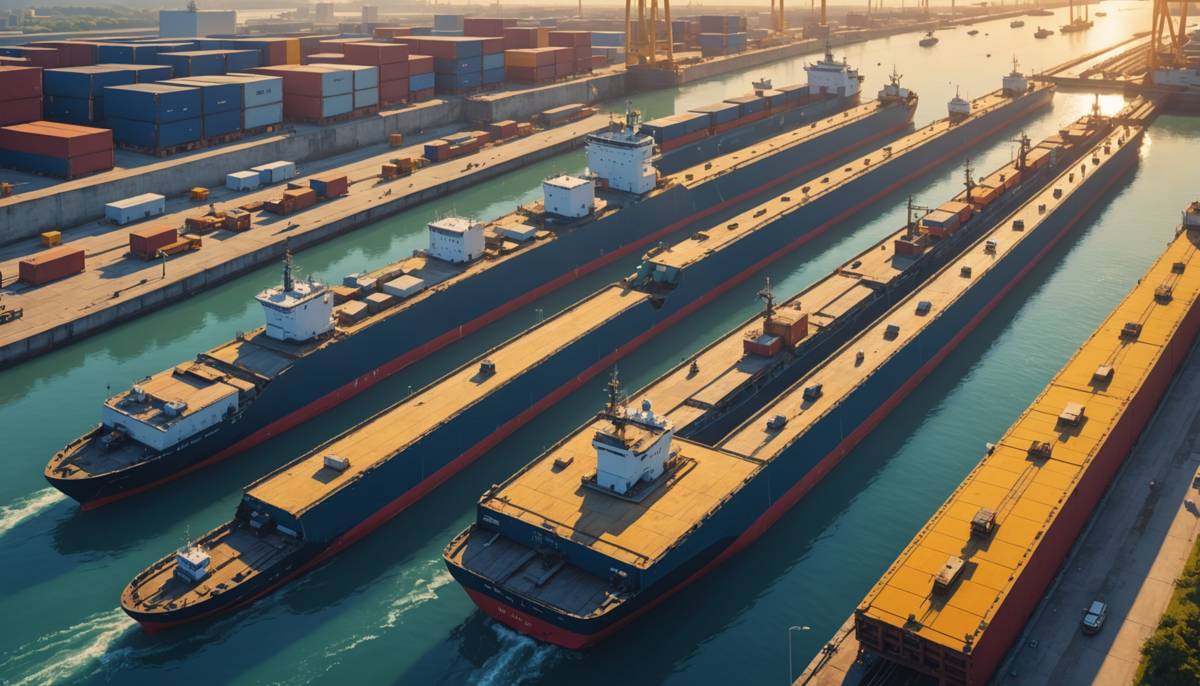
Picture one planner absorbing the change at 08:00. The vessel plan needs review, but the booking team owns the carrier call. Procurement owns any rate or contract change. Customs owns the paperwork. The distribution center owns the receiving calendar. Nobody is refusing to act. Everyone is waiting for someone else to decide whether the route is officially changed.
That ambiguity costs hours before it costs money. A planner can see that the old lane no longer works, yet cannot release the alternate booking. A truck may be available, yet the warehouse cannot receive it. A slot may exist, yet equipment has not been reserved. The team escalates in meetings while the cargo waits for a decision that was predictable enough to define in advance.
The redesign starts by separating the network into switchable and locked elements. Pre-approved carriers, alternate ports, customs templates, drayage providers, receiving windows, and rate logic can move quickly. New contracts, scarce slots, untested paperwork, and facilities with no calendar capacity cannot. The operating plan should show that boundary openly, instead of presenting every option as equally usable.
Next comes the buffer question. Inventory should sit where it buys time against the specific failure, not where space happens to be available. Buffer inventory placed at the wrong node adds cost without adding days. A team should map the point at which a missed sailing becomes a production or customer risk, then place protection near that decision point and connect it to a trigger.
The transformation is a lane that behaves less like a fixed route and more like a controlled switch. When a trigger is reached, the named owner activates the pre-approved service, releases the required equipment, sends the customs packet, books inland drayage, and reserves the receiving appointment. Automation can carry the handoffs and exceptions. It cannot invent a contract or create a warehouse slot, so those constraints must be solved before the trigger fires.
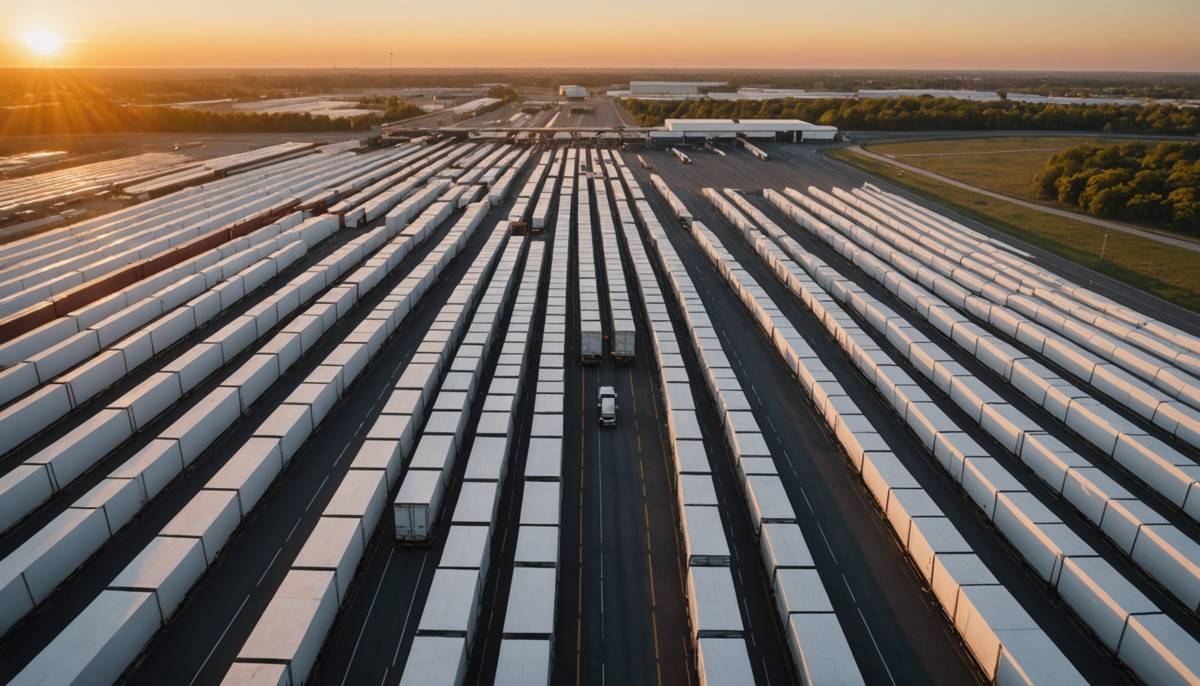
Inland transport offers a useful example of deliberate redesign. Einride and Lidl began running a Level 4 autonomous electric truck with no cab in regular public-road service between a distribution center and a store in Germany, after approval from Germany’s transport authority. The lesson is not that autonomy solves every transport problem. It is that autonomous and electric moves can reduce exposure to driver availability on short, predictable shuttle legs when the operating conditions fit.
A leader can start this week with one lane, one product family, and one disruption trigger. Write the full change sequence. Mark every step as switchable, pre-approved, or locked. Name the decision owner for each trigger. Place the buffer where it buys time, not where it is convenient. Then run the playbook against a real schedule and fix the first handoff that fails.
That exercise turns route volatility from a surprise into operating work. The goal is not to predict which lane will break next. It is to make the important parts of the network ready to move before the plan becomes stale.