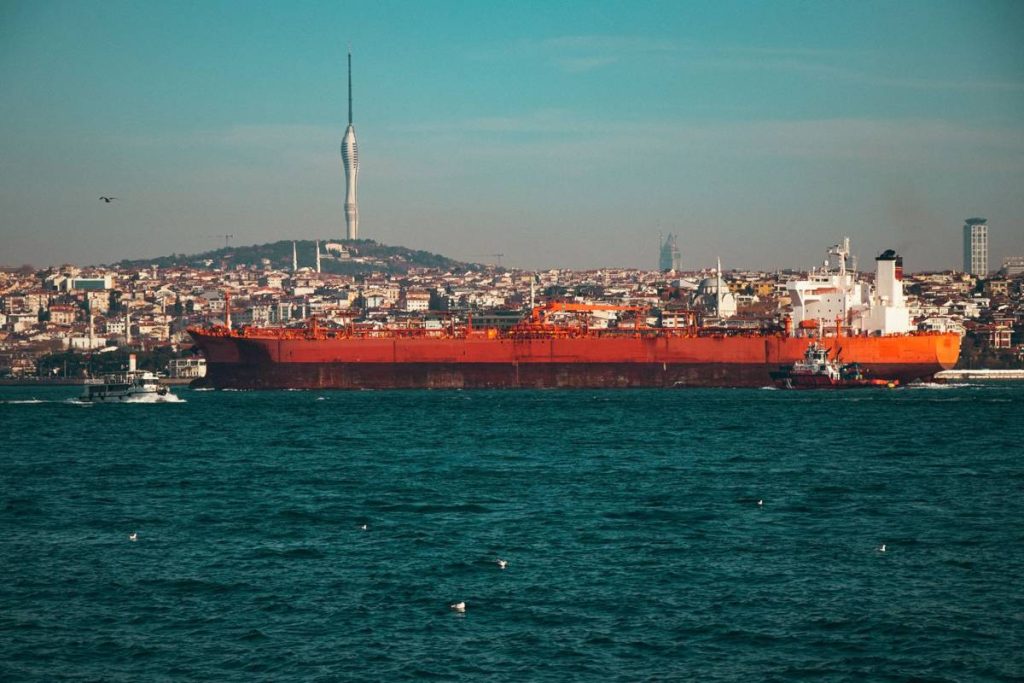
On paper, the Strait of Hormuz is just a 33-kilometre-wide channel separating Oman from Iran. In practice, it is the most concentrated chokepoint in the global energy system, and for the rest of 2026, it is also the biggest supply chain wildcard nobody is pricing correctly.
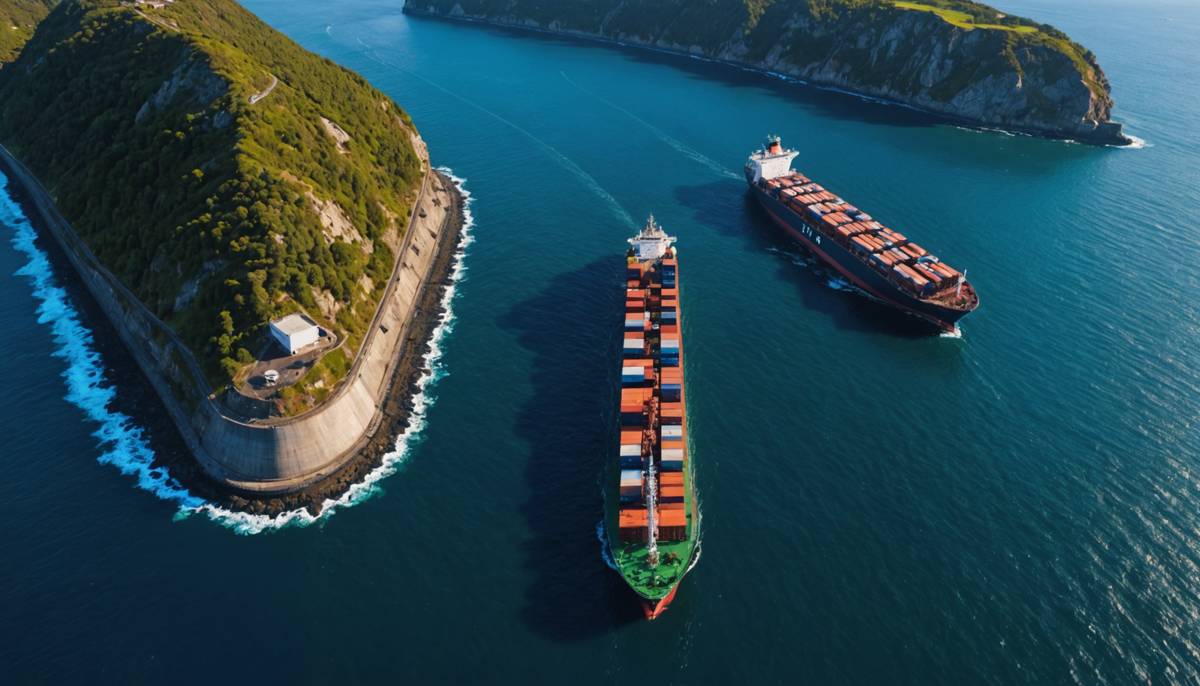
Roughly 20 million barrels of oil and liquefied natural gas pass through the strait every day. That is about one-fifth of the world’s petroleum consumption. When the straight is open and functioning, the rest of the supply chain barely registers it. When it is threatened, everything: ocean freight rates, fuel surcharges, rerouting decisions, insurance premiums, and inventory carrying costs shifts at once.
The Domino That Keeps Getting Kicked
Oxford Economics recently called Hormuz uncertainty the “key domino” for global supply chains in the second half of 2026. The phrasing is telling. A domino does not act alone: it sits in a chain that topples sequentially. If Hormuz tips, the first casualty is energy cost stability. That cascades into vessel operating expenses, then into freight rates, then into landed cost calculations that procurement teams have already locked into quarterly contracts.
The United States recently revoked authorisation for Iranian oil sales that had been granted under the short-lived February peace framework. Mine-clearing operations in the strait have stalled. War risk premiums for vessels transiting the Gulf remain elevated. And the backstop (the U.S. Navy’s ability to guarantee safe passage) is being debated in Washington with an intensity that suggests no easy answer.
Why This Time Feels Different
Supply chain professionals have lived through Hormuz scares before. In 2019, after attacks on tankers near Fujairah, the market adjusted within weeks. In 2023, during broader Gulf tensions, alternative routing via the Cape of Good Hope absorbed the shock. But what makes the current moment structurally different is the compounding effect of parallel disruptions.
The Suez Canal is only tentatively reopening. The Red Sea diversion that forced carriers around the Cape for most of 2024 and 2025 is not fully resolved. The Gemini cooperation between Maersk and Hapag-Lloyd has sent the first service back through Suez, but the schedule remains fragile. A simultaneous Hormuz event would close two of the world’s three most critical maritime chokepoints at once, something the modern container network has never faced.
Asia-Europe spot rate gaps are already near record levels. Transpacific ocean rates are up more than 120 percent year-on-year, driven by frontloading and port congestion at Jeddah and other transshipment hubs. If Hormuz adds another layer of fuel cost and insurance surcharge on top of these, the compounding effect will hit spot rates harder than any single disruption in the last decade.
What Contingency Planning Actually Looks Like
Standard advice such as diversify your sourcing or build inventory buffers is insufficient when the chokepoint sits upstream of almost every energy-dependent supply chain on the planet. Here is what leading organisations are doing differently:
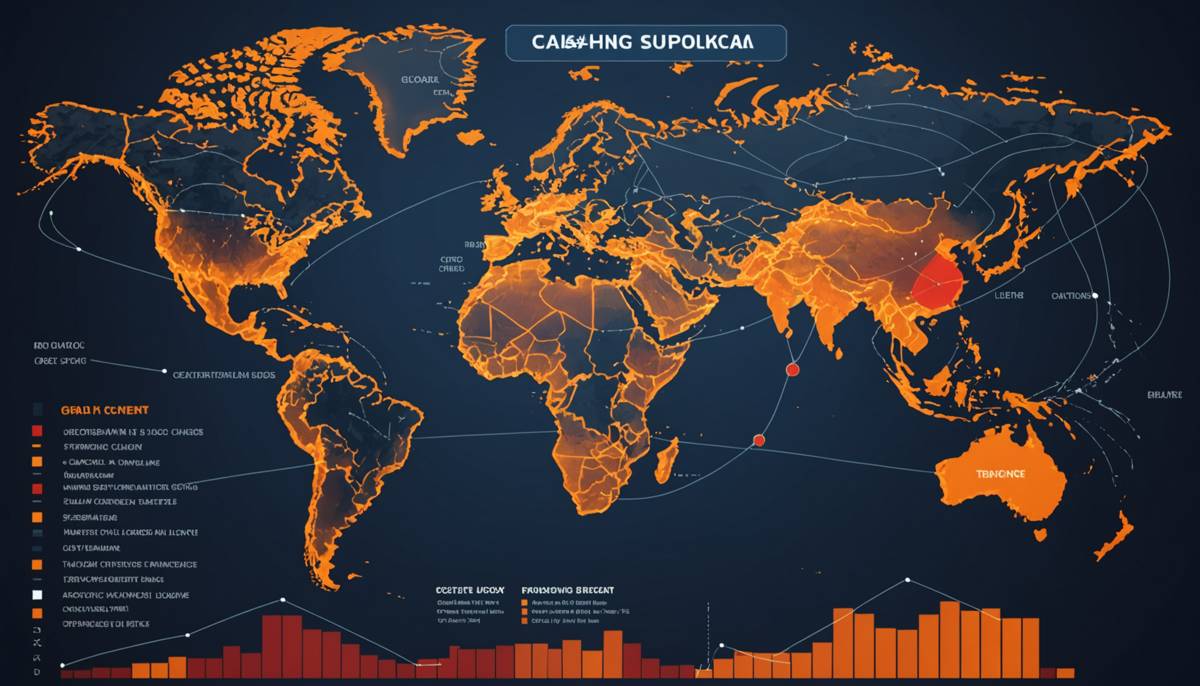
Scenario modelling with energy as the variable, not the constant. Most supply chain risk models treat oil prices as an input assumption. The organisations that hedge best are treating energy cost as an output of geopolitical scenario analysis, modelling what happens to their total landed cost if bunker fuel doubles in a Hormuz closure scenario, not just whether their suppliers can reroute.
Contract flex clauses for fuel pass-through. A growing number of procurement teams are inserting fuel-indexed pricing clauses into ocean freight contracts, so that when bunker prices spike, the surcharge mechanism is pre-agreed rather than negotiated under fire. This is tedious legal work, but it eliminates the two-week negotiation window during which margins evaporate.
Dual-routing readiness. The carriers that kept Cape of Good Hope capacity warm during the Red Sea crisis have an asymmetric advantage if Hormuz closes. Shippers who maintained relationships with both Suez and Cape routing options rather than committing to a single string can switch faster. The difference between a two-week reroute and a six-week reroute is often determined by paperwork and relationships, not vessel availability.
The Hidden Risk: Complacency Between Crises
The most dangerous period for supply chains is not during a disruption: it is the six months after one subsides, when attention shifts and contingency plans are archived. The Suez reopening has already triggered exactly this pattern. Forwarders and shippers are breathing out, assuming the crisis arc is complete. But the same geopolitical tensions that made Hormuz a domino in the first place have not eased. The peace agreement is fragile. The mine threat persists. And the institutional memory of the 2021 Suez blockage, which cost an estimated $9.6 billion in daily trade, is fading faster than it should.
Supply chain leaders who maintain their Red Sea crisis posture (the rerouting playbooks, the fuel surcharge models, and the carrier relationship matrices) and apply them to the Hormuz scenario will be the ones who absorb the next shock without a margin hit. The ones who treat the current calm as a return to normal will be caught flat-footed when the next domino falls.
The Bottom Line
The Strait of Hormuz is not going to disappear from risk registers anytime soon. The forces that make it a chokepoint: geography, geopolitics, and energy dependence are structural, not cyclical. What has changed is the surrounding context. A fragile Suez reopening, stretched carrier capacity, near-record spot rates, and an energy transition that has not yet reduced oil dependence enough to matter mean that a Hormuz disruption in 2026 would cascade further and faster than it would have in any previous year.
The question is not whether the scenario is probable. The question is whether your operating model can handle it when, not if, it happens again.