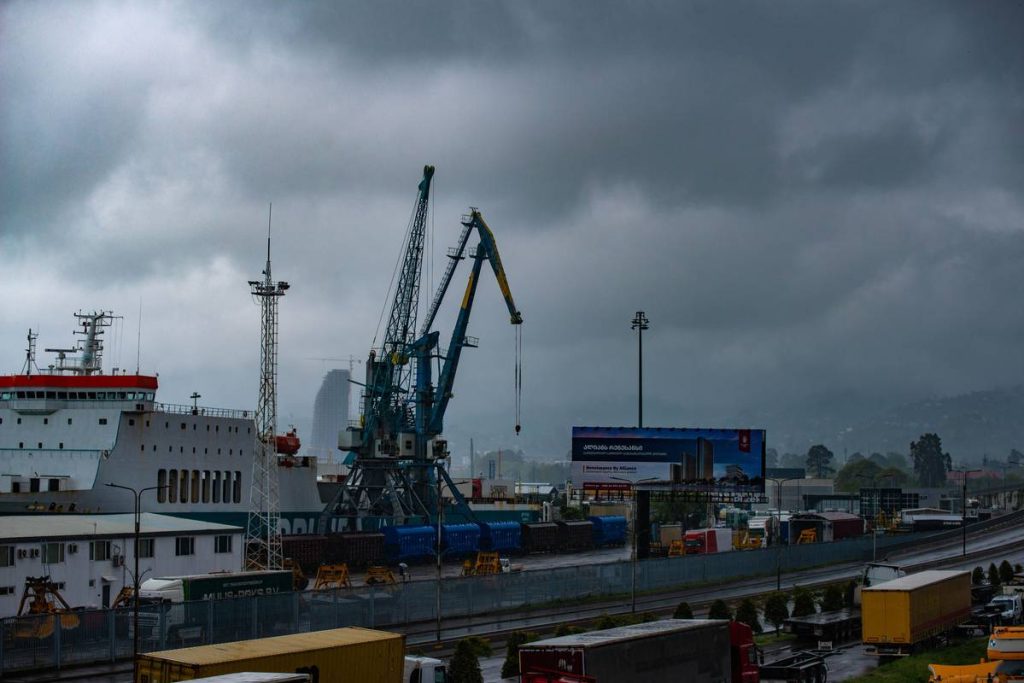
When monsoon storms shut down India's busiest container port for 48 hours in June 2026, the average delay per ship was not the story. The story was the 14,000 stranded containers that would take three weeks to clear, the trucks stacked for 12 kilometres outside the gate, and the fact that this was not an anomaly. It was a warning.
Super El Nino tests every link in the global supply chain, and most are not ready.
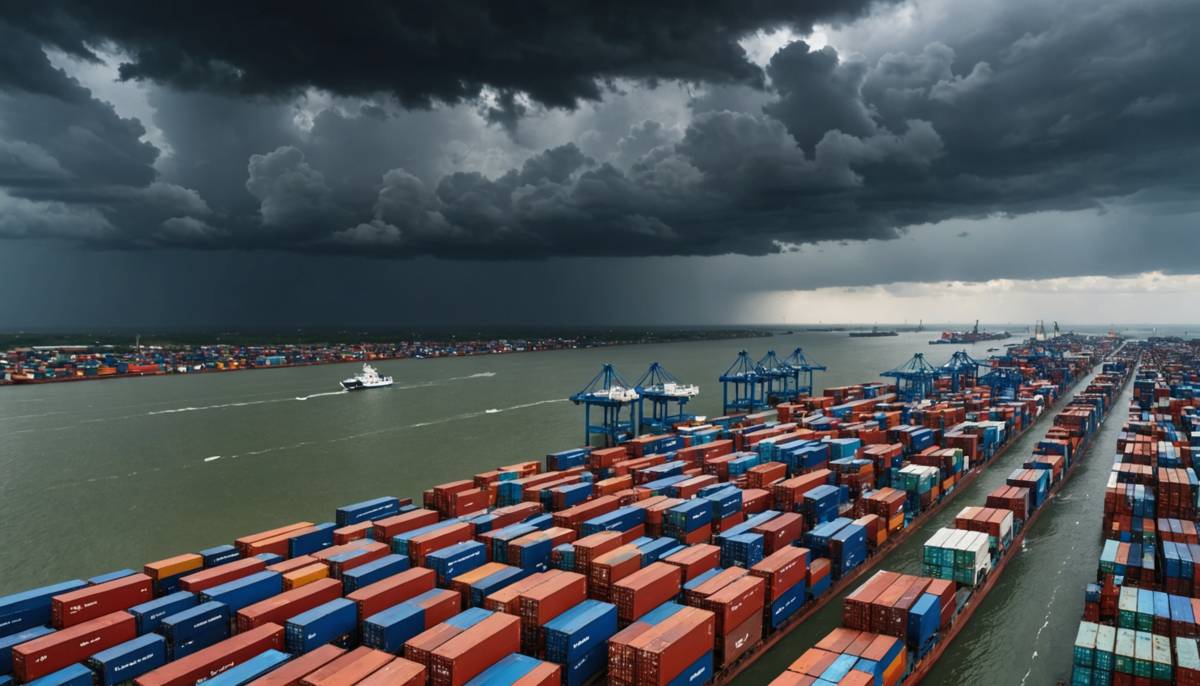
The Port That Could Not Keep Up
Jawaharlal Nehru Port Trust, known as Nhava Sheva, handles roughly 55 percent of India's containerised cargo. In the last week of June 2026, Cyclone Nisarga remnants collided with the advancing monsoon, dumping 320 millimetres of rain in 36 hours. Port operations were suspended. Waters rose inside the container yard. Fourteen vessels queued at the anchorage, burning fuel and accumulating demurrage charges at rates reaching $12,000 per day per ship.
This is not a rare event for India's west coast. Monsoon disruptions at Nhava Sheva have increased 40 percent in frequency since 2015, according to meteorological records. What changed this year is the compounding effect. Global shipping is already strained by the Red Sea diversions. The Panama Canal is still operating below capacity after last year's drought. There is no slack in the system. A single port closure in Mumbai does not cost a few million dollars in delay penalties. It resets delivery schedules for every factory, retailer, and hospital in the northern Indian corridor that depends on that gateway.
Southern Africa's Climate Choke Point
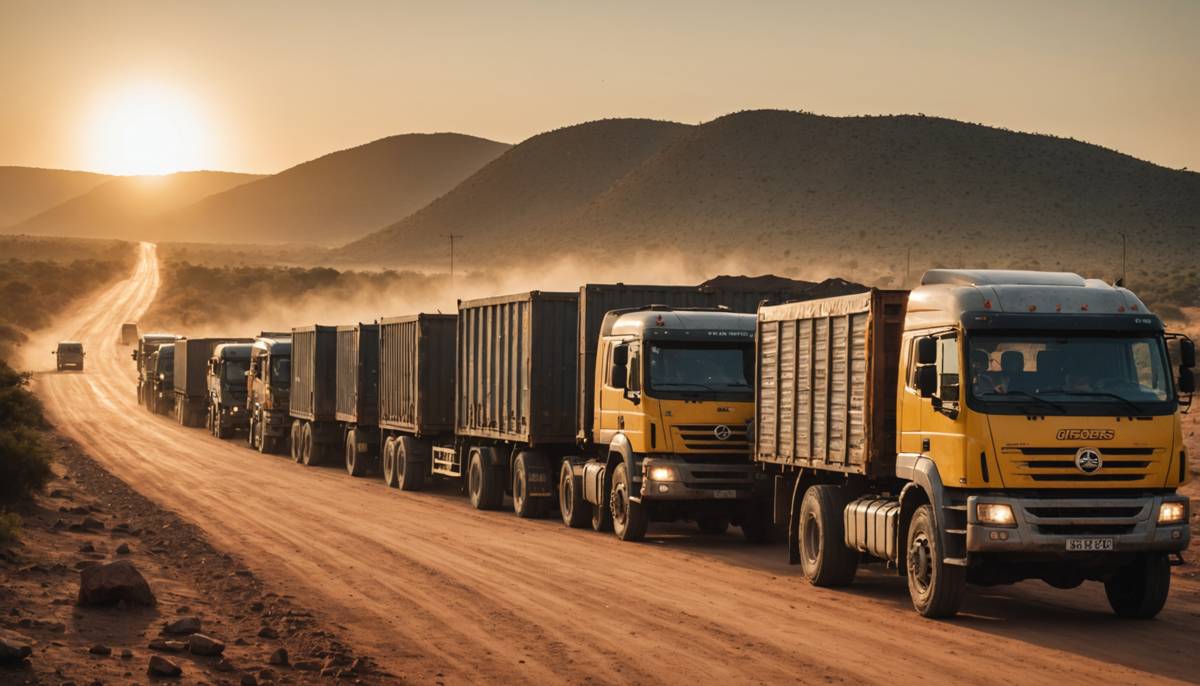
South of the equator, a different climate story is unfolding. Southern Africa's trade corridors, the roads and rail lines connecting the mineral-rich interior to ports like Durban, Maputo, and Richards Bay, are being strangled by a pattern of extreme rainfall followed by drought that scientists directly link to El Nino cycles.
The numbers are stark. The 2024/2025 El Nino brought the driest rainy season to Zambia and Zimbabwe in 40 years, cutting agricultural output by 45 percent. But the climate pendulum swings hard. As the current cycle transitions toward a Super El Nino, the same region is now facing violent rainfall events that wash out rail embankments and close border crossings for days. The Walvis Bay corridor, a critical route for landlocked Botswana and Zambia, has seen transit times double from 14 to 28 days in the past year.
Trade volumes through Southern Africa grew 7 percent in 2025, but logistics bottlenecks caused by climate volatility are eroding the margin on every ton moved. When a haulier spends three extra days at the Beitbridge border post because flood-damaged roads force rerouting, that cost passes through the entire value chain. The copper arriving at Durban for export to European battery manufacturers costs more, arrives later, and carries higher carbon emissions. Climate is not an external risk. It is already priced into every shipment.
What Super El Nino Actually Means
The term Super El Nino is not media hyperbole. It describes an episode where sea surface temperatures in the central Pacific exceed 2.0 degrees Celsius above the baseline. Only three have been recorded since 1950: 1982/1983, 1997/1998, and 2015/2016. Each triggered global disruptions. The 1997/1998 event caused an estimated $35 billion in infrastructure damage worldwide and wiped out entire growing seasons in Southeast Asia and South America.
The World Meteorological Organization now warns that the developing 2026/2027 event has a 65 percent probability of reaching Super El Nino strength. The mechanisms are well understood. Warmer Pacific waters shift atmospheric circulation patterns, weakening the Indian monsoon, intensifying tropical cyclones in the Pacific and Atlantic basins, and altering rainfall timing across Africa, Australia, and the Americas.
For supply chains, this is not a weather forecast. It is a structural threat map. The monsoon failure that disrupts India will also dry out the Panama Canal watershed, increase hurricane frequency in the Gulf of Mexico, and delay the Australian wheat harvest. These are not independent events. They are the same planetary mechanism expressing itself in different regions.
One Logistics Manager, One Decision
Ravi Sharma manages inbound logistics for a pharmaceutical manufacturer outside Mumbai. His factory depends on five active pharmaceutical ingredients sourced through Nhava Sheva. When the port shut down, he had 18 days of inventory on hand. By the time his containers cleared customs three weeks later, he was down to four days of stock and facing production lines that were minutes from stopping.
Sharma did not need a climate model to tell him this was coming. He could see the monsoon forecast. He knew his inventory coverage. What he did not have was permission to act. His company's risk protocol required board approval for any expedited freight spend above $50,000. The approval took five days. By then, the containers were already on the water and the port was already closed.
The human cost of a supply chain not stress-tested for climate exposure is not abstract. It is a logistics manager who saw the disruption coming and could not move fast enough to stop it. It is a hospital that has to explain why the antibiotics are delayed. It is a factory worker sent home without pay because the raw materials did not arrive.
Stress Test Your Exposure Before the Next Storm
The monsoon season in India runs until September. The Atlantic hurricane season peaks in September and October. The Super El Nino is expected to intensify through the fourth quarter of 2026. There is a narrow window to act.
Start with three questions. First, which ports, routes, and suppliers in your network lie in El Nino exposed regions, the Indian subcontinent, Southeast Asia, Southern Africa, the Panama Canal catchment, and the Gulf of Mexico coast. Second, how many days of inventory buffer do you hold at each node and what happens when the buffer runs out. Third, who in your organisation has the authority to authorise emergency logistics spend without a committee meeting.
The companies that will survive the 2026/2027 climate cycle are not the ones with the best weather forecasts. They are the ones that have already mapped their climate exposure, built the inventory buffers, and, most importantly, given their operations teams the authority to act before the crisis arrives. The next storm is not hypothetical. It is already forming over the Pacific. Your supply chain may not be ready, but you can start today.