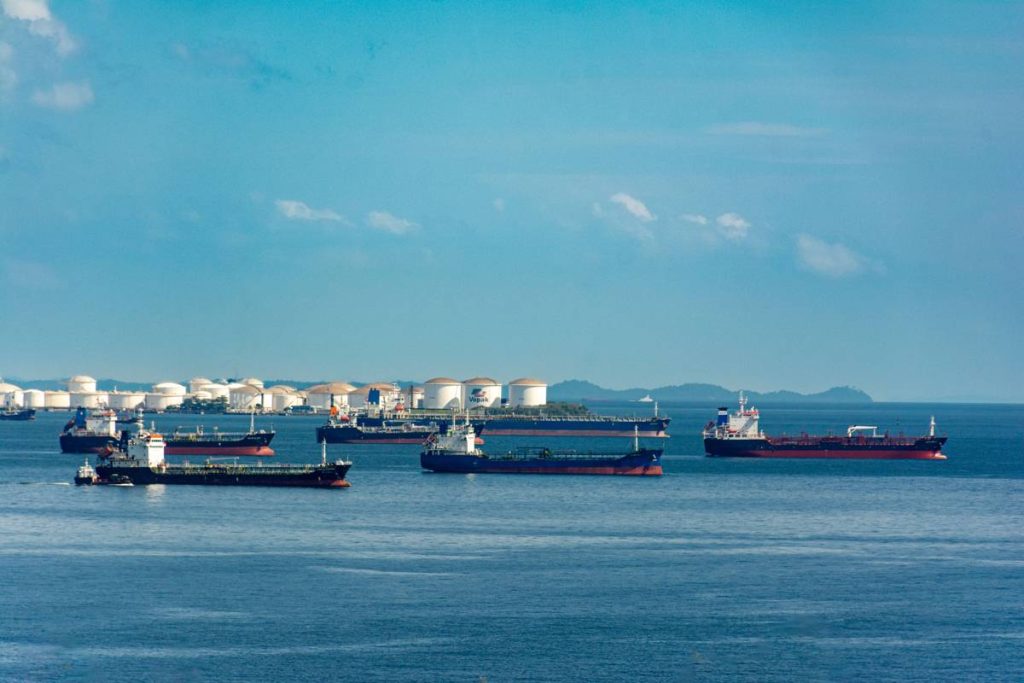
The Strait of Hormuz has always been the worlds most critical energy chokepoint. But in the current geopolitical climate, it has become something far larger: a structural threat that reaches into every corner of global supply chain operations. What started as a regional flashpoint is now sending shockwaves through ocean freight rates, vessel deployment strategies, and contingency planning boardrooms from Rotterdam to Singapore.
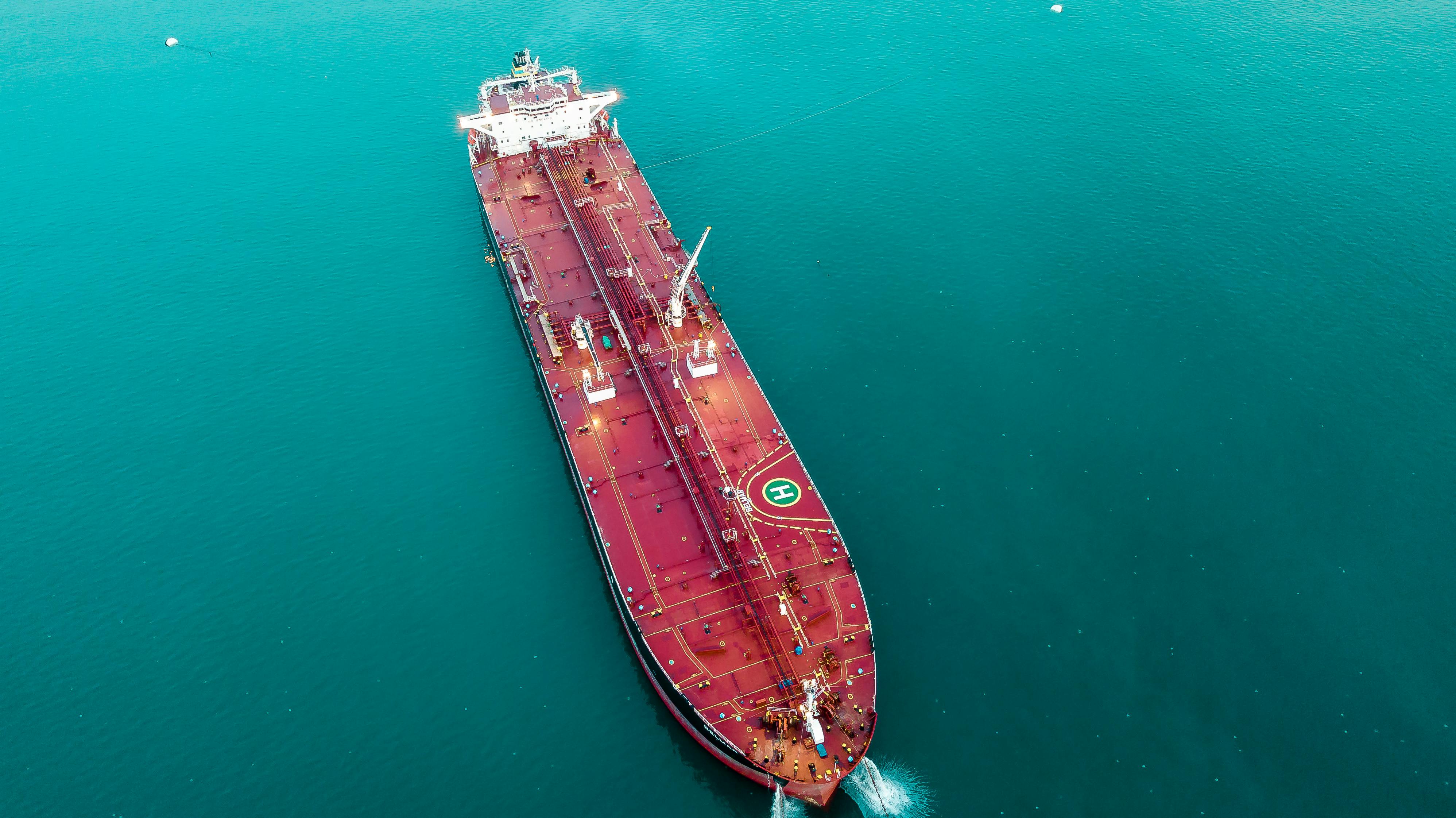
Oxford Economics recently described Hormuz uncertainty as the key domino for supply chains in the latter half of 2026. The label is not hyperbolic. When a single maritime corridor carries roughly 20 percent of the worlds petroleum and a significant share of liquefied natural gas, any disruption there cascades through insurance markets, fuel costs, shipping routes, and ultimately the price of almost every traded good on the planet.
The immediate trigger was the US decision to revoke authorization for Iranian oil sales, effectively tightening sanctions enforcement at a moment when global energy markets were already fragile. Tanker tracking data shows a measurable decline in vessel traffic near the strait, not because shipping has stopped, but because risk premiums have rewritten the economics of transiting the corridor. War risk insurance for vessels passing through the region has climbed sharply, and some shipping lines have begun rerouting or adding buffer days to schedules that cross the Persian Gulf.
Compounding the problem is the stalled mine-clearing operation in the region. Progress on de-mining missions that European navies had been advancing has slowed amid heightened tensions. Even a partial, temporary closure of the strait would force tankers to take alternative routes that add thousands of nautical miles and weeks of transit time. The Cape of Good Hope, already busier due to Red Sea disruptions, would see even more traffic. The result is a compounding effect on global freight capacity: longer voyages mean more vessels in transit at any given time, fewer available for new cargoes, and upward pressure on rates across every major trade lane.
For supply chain leaders, the implications go far beyond headlines about oil prices. The Hormuz situation is a textbook case of what we might call chokepoint concentration risk. When a single geographic point controls access to a vital input, even a probabilistic disruption reshapes the entire cost structure of global logistics. Ocean freight forwarders are reporting a surge in inquiries about alternative routing options and contingency capacity. This is not panic. This is the supply chain function doing what it should: stress testing assumptions that were always too comfortable.

The industries most exposed are the ones that depend on predictable ocean freight schedules: manufacturing, chemicals, refined products, and retail. A factory in Germany that relies on just-in-time deliveries of chemical intermediates sourced from Asia, shipped through the Suez Canal and across the Indian Ocean, is indirectly exposed to Hormuz risk even though its own supply chain never goes near the strait. The reason is simple: freight rate contagion. When one major lane tightens, capacity gets diverted, and rates rise across connected lanes. No supply chain operates in isolation.
What makes this moment different from previous Middle East tensions is the structural context. Global shipping capacity is already stretched thin after years of pandemic-era volatility, Red Sea diversions, and labor disputes at major ports. There is no spare capacity in the system. The buffer that used to absorb regional shocks has eroded. A disruption at Hormuz does not just raise the cost of oil. It raises the cost of moving everything, everywhere, all at once.
There are, however, practical steps that supply chain organizations can take. The first is scenario modeling. Every company that moves significant ocean freight should have a Hormuz contingency scenario in its routing playbook: what happens if the strait is closed for one week, two weeks, or a month. The second is inventory positioning. If lead times from affected regions could double, safety stock levels need to reflect that probability. The third is rate hedging. Long-term contract rates, even if slightly above spot today, provide predictability in a market where volatility is the only certainty.
The Strait of Hormuz is not the first chokepoint to threaten global supply chains, and it will not be the last. What makes it the key domino of 2026 is not just its strategic importance. It is the fact that the system has no fat left to absorb the shock. Supply chain leaders who treat this as a strategic risk, not a news cycle, will be the ones navigating the next year with confidence.