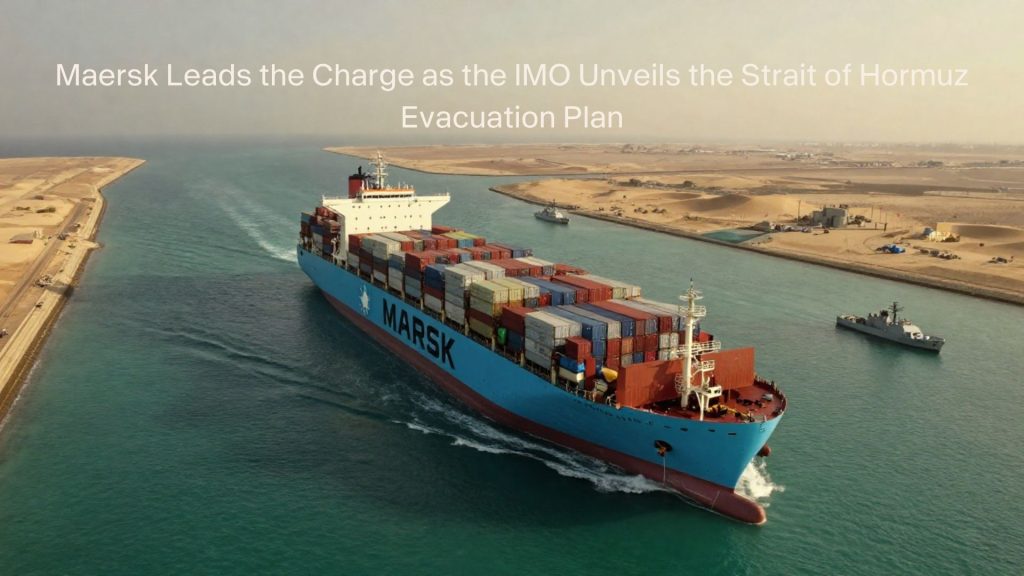
The International Maritime Organization (IMO) has published its long awaited Strait of Hormuz evacuation plan, and the response from commercial shipping has been immediate. After weeks of consultation with Iranian and Omani authorities, the IMO laid out a coordinated framework for the safe passage of stranded vessels through one of the world’s most critical maritime chokepoints. The trickle of ships moving through the strait has strengthened into a steady flow almost overnight, and one carrier has emerged as the clear early mover: Maersk.
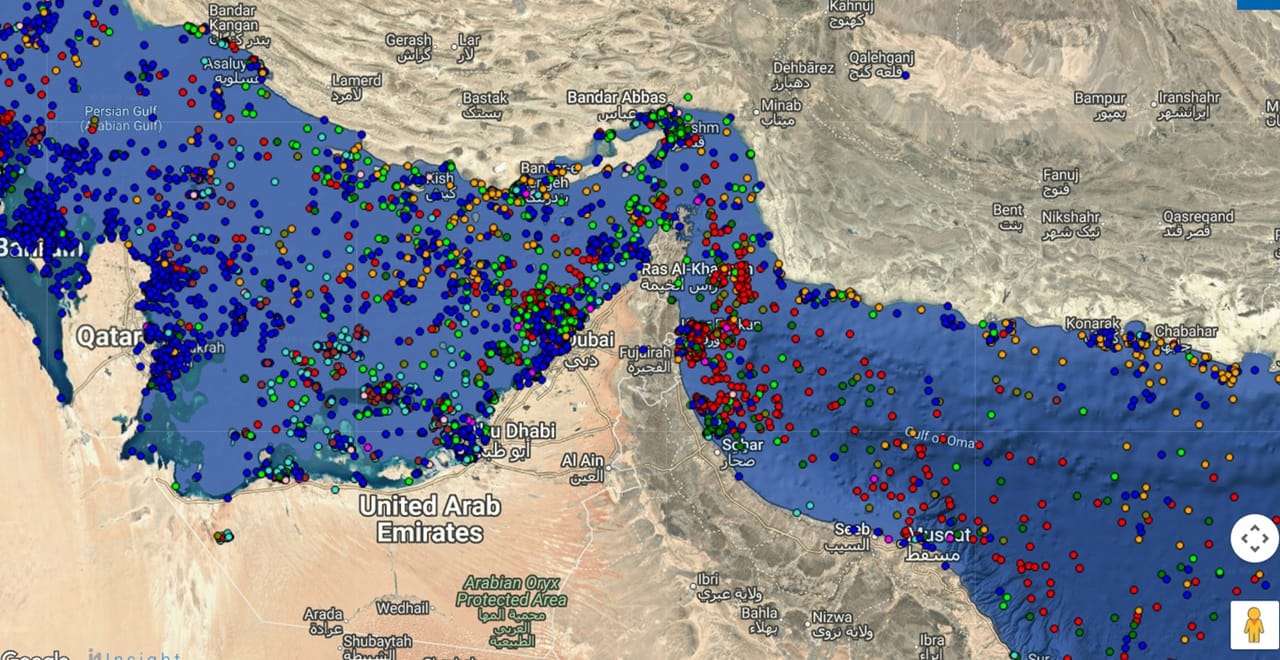
The IMO plan represents an unprecedented level of coordination between commercial maritime interests and regional state actors. The United States, Iran, Oman, and other Gulf Coast states have all signed on to the operational framework, which prioritizes the safe extraction of hundreds of commercial vessels that have been unable to transit the strait since hostilities escalated. The scale of the operation is massive, involving coordinated patrol routes, designated safe corridors, and real time communication protocols between naval forces and merchant crews.
Maersk moved quickly to capitalize on the opening. Within hours of the plan’s publication, the Danish shipping giant redirected several of its vessels toward the strait, positioning them to be among the first commercial ships to complete a full transit under the new framework. This first mover advantage is significant. In a market where every day of schedule recovery matters, being ahead of the pack translates directly into better service reliability for customers and stronger negotiating leverage in a rate environment that continues to climb.

The evacuation plan operates under a 60 day memorandum of understanding signed between the United States and Iran during peace talks held in Switzerland. The MoU establishes a temporary framework for de escalation and creates a window during which commercial shipping can resume relatively normal operations through the strait. Whether that window will be extended remains an open question, but for now the industry is treating every available transit day as critical.
Mines present the most immediate physical danger to vessels attempting the crossing. The strait has been seeded with naval mines during the period of active hostilities, and clearing operations are ongoing. The IMO plan includes designated cleared corridors, but the risk of drifting mines or incomplete sweeps means that every transit carries residual danger. Vessels are proceeding at reduced speeds with additional lookouts posted, and the industry is closely watching each successful crossing as validation that the corridor is safe.
The operational picture is complicated by the fact that not all vessels stranded near the strait are in the same condition. Some have been at anchor for weeks, and questions about crew welfare, fuel availability, and mechanical readiness have become pressing concerns for the IMO coordinators. The evacuation plan includes provisions for prioritizing vessels that are fully crewed and mechanically sound, with a secondary phase for ships that may need assistance before they can transit.
The implications for global supply chains are far reaching. The Strait of Hormuz handles roughly one fifth of the world’s oil consumption and a significant share of containerized cargo moving between Asia and Europe. Every day that the strait was effectively closed added pressure to an ocean freight market that was already strained. Spot rates are expected to continue climbing for at least another four weeks, and many vessels are fully booked through at least July as market data indicates. The reopening does not mean an immediate return to normal market conditions.
Schedule reliability is another area where the reopening creates both opportunity and risk. The Gemini Cooperation partners Maersk and Hapag Lloyd had been hitting above 90 percent on time schedule reliability across all trades in the months leading up to the crisis. That level of performance required carefully coordinated sailing schedules and port slot allocations, both of which were thrown into disarray when the strait became impassable. The early movers have the best chance of recovering their schedule integrity quickly, but the knock on effects of diverted and delayed vessels will ripple through global networks for weeks to come.
The broader strategic picture is encouraging but fragile. The willingness of Iran and the United States to negotiate a temporary de escalation represents meaningful progress, but the 60 day MoU does not address the underlying tensions that led to the closure. Shipping lines are already modeling contingency scenarios for both an extension of the current arrangement and a potential return to hostilities. Prudent operators are maintaining diversion plans even as they resume Hormuz transits.
For Maersk, the early mover advantage extends beyond the immediate operational benefits. The company has demonstrated to its customers that it can navigate complex geopolitical situations and maintain service continuity under extreme circumstances. That kind of reputation capital is difficult to quantify but highly valuable in an industry where shippers are increasingly prioritizing reliability over the lowest possible rate. The coming weeks will reveal whether other major carriers can match Maersk’s agility or whether the gap between the top performers and the rest of the market will widen further.
The full recovery of ocean shipping through the Strait of Hormuz is still weeks away. The IMO plan provides a framework, the mine clearing operations are progressing, and the political will for de escalation appears to be holding for now. But the data tells a cautious story. Spot rates have not yet peaked, vessel utilization remains at maximum levels, and the schedule disruptions from the crisis will take at least a full rotation cycle to work through. The reopening of the strait is a necessary condition for recovery, but it is not a sufficient one. The industry must now execute on the plan, clear the remaining hazards, and rebuild the operational rhythm that made global supply chains function before the crisis. That work has begun, but it is far from finished.