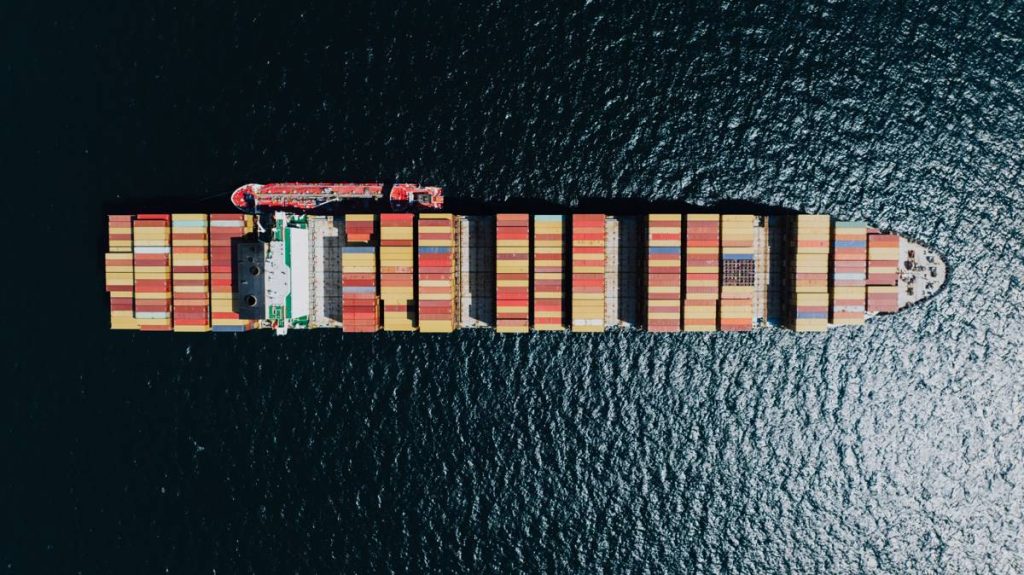
A low container rate can become expensive before the vessel sails. The visible saving is created at award, while the exposure may emerge as rejected space, a rolled booking, a missed destination port date, emergency transport, empty shelves, or customer concessions. Carrier selection therefore has to compare freight price with the service promises attached to the cargo. The relevant question is not whether a carrier is generally cheap or expensive, but whether its evidence and recovery options fit the consequences of failure.
Measure the service customers actually receive
A quote prices planned transport; it does not prove that space will be accepted when cargo is ready, that a confirmed booking will hold, or that the container will reach the destination port by the promised date. Test booking performance separately by asking whether the carrier accepts required volume, protects the agreed sailing, and explains recovery options. Test arrival performance separately by comparing actual destination port arrival with the carrier’s promised destination port arrival date.
The arrival test is not door to door delivery. It ends at the destination port and says nothing by itself about inland transport, customs, final delivery, or customer receipt. It also matters that the evidence comes from a vendor shipment dataset, not a universal measure of global liner reliability. WiseTech Global’s dataset recorded Asia to North America on time performance of 25.6% in October 2026, versus 26.9% in September 2026. Asia to Europe recorded 9.3% in October 2026, versus 9.9% in September 2026.
WiseTech reports carrier variation within covered lanes, but lane averages cannot choose a carrier. Its November 2026 outlook covers weeks 45 to 48 and forecasts transpacific supply tightening rather than stronger demand, alongside easing Asia Europe capacity pressure despite weak arrival performance. These are forecasts, not observed future results. A shipper should therefore request comparable evidence for the actual lane, sailing pattern, equipment, and cargo, while recognizing that the vendor data does not represent every shipment or operating condition.
Evidence should cover both what happened after a booking was requested and what happened after a booking was confirmed. Recent comparable sailings can reveal accepted, rolled, or rejected bookings, the credibility of promised port arrival dates, and the quality of recovery information. A carrier charging more should show that its service addresses the specific exposure. A cheaper carrier may be suitable when the cargo can wait and the agreed service floor is consistently met.

Price failure according to its consequence
Compare the incremental premium for a stronger service with the incremental expected failure cost of the cheaper option. Include only consequences relevant to the cargo, such as lost sales, production interruption, substitution freight, extra handling, penalties, customer concessions, or management time. Use a range where evidence is uncertain. The aim is not to predict one exact loss, but to expose an otherwise invisible risk before the award.
Do not double count connected events. A rolled booking may cause a late port arrival, which may then require recovery freight. Model the initial failure, the operational response, and the commercial result as one linked chain, assigning each cost once. The comparison should show the expected additional cost of choosing the cheaper service against the premium, not add a full penalty separately for every symptom of the same disruption.
Nor does a premium automatically deserve acceptance. A higher rate needs evidence that it improves the booking or arrival outcome that matters, and the business must determine whether that improvement is worth buying. Conversely, flexible cargo may rationally use a cheaper carrier. A replenishment container with substitute inventory can tolerate a later sailing if demand, stock, and customer commitments leave room to wait.
Consider a hypothetical distributor replenishing two product groups on one lane. The first has substitute inventory and can wait. The second supports a promotion with a fixed retail window, so a late port arrival would require expensive recovery work. The planner initially prefers one low rate because the saving is clear while disruption is spread across operations, commercial teams, and finance. After testing booking and arrival separately and estimating each failure consequence once, the distributor uses the cheaper carrier for flexible cargo and a qualified service for the promotion. The decision changes because the cargo consequences differ, not because premium service is automatically better.

Make the award a shared operating decision
Rate versus service decisions fail when ownership ends at the tender. Procurement may own the invoice, operations may absorb missed bookings, commercial teams may handle complaints, and finance may see only the initial saving. The award should name who owns the service promise and review space acceptance, rolled or rejected bookings, promised and actual destination port arrival, and recovery communication. Those measures connect the commercial choice to its operating result.
Multiple carrier logos do not automatically create resilience. Different brands may depend on the same constrained terminals, schedules, transshipment points, or physical recovery options. A portfolio reduces exposure only when alternatives provide genuinely different recovery paths. Otherwise, the business has diversified contracts while retaining the same operational failure.
At the next tender, procurement and operations should compare each bid on rates, a defined service floor, comparable evidence, and expected failure costs. They should approve the award together, then assign flexible and time critical cargo to the option that fits its consequences. That makes the decision practical: buy the lower rate when waiting is acceptable, and pay more only when the evidence and recovery value justify it.