The most expensive moment in many supply chains is not the moment an exception is discovered. It is the quiet hour after discovery, when a warning waits for a person to open a case, understand the context, make a call and update another system.
Seeing an exception is intelligence; fixing it is operational value.
The queue is the real bottleneck
For two decades, AI in supply chain mostly meant better forecasts. Statistical models gave way to machine learning, then deep learning, each promising sharper demand signals, tighter safety stock and fewer stockouts. That work matters and remains unfinished. It also obscured a harder problem: forecasts do not run the supply chain. People do.
When a shipment misses a cutoff, a supplier short ships, or a quality hold freezes a line, the model’s traditional job is finished. A human takes over with a ticket, a report and phone calls. The forecast or alert may be accurate, but its value is limited if the exception then waits in a queue for someone to investigate and resolve it.
Predictive and generative tools are advisory. A forecasting model estimates demand. A copilot summarises a disruption or drafts an email. Both stop at a recommendation. A person still has to notice the alert, weigh the trade offs and instruct a system to act. In a global network producing thousands of exceptions a day, human bandwidth becomes the bottleneck, not model quality.
That delay is the execution tax. Every exception that sits idle, is handed off late or passes its resolution window costs money through expedite fees, rework and inventory held hostage. These costs are repetitive, rule governed and predictable enough to delegate. A genuinely novel strategic sourcing decision is different. The queue around routine exceptions is where action can start.
From an alert to a closed case
An agent is not simply a smarter alert. It receives a goal, a set of tools and a boundary of authority, then acts inside that boundary without waiting for approval at every step. The tools may include ERP transactions, transport bookings, supplier portals and inventory systems. The meaningful test is not whether the agent can explain the problem. It is whether it can move the problem toward closure.
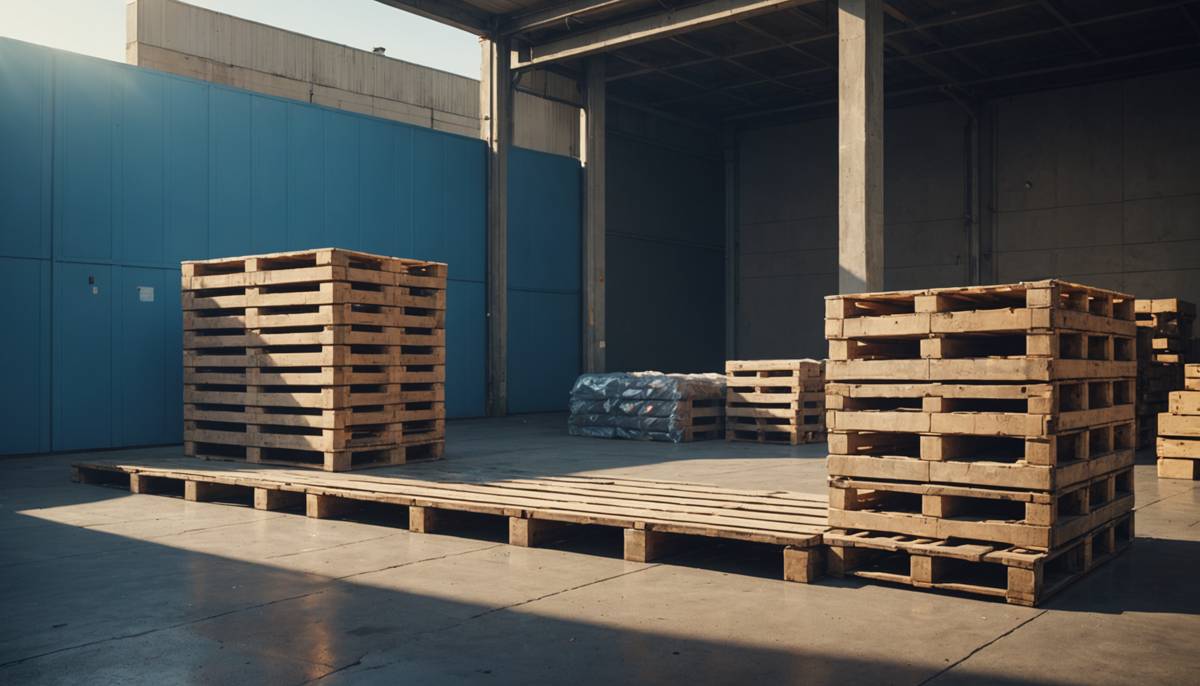
Consider a pallet that arrives damaged while its advance shipping notice does not match the label data. Instead of sitting in a queue for a dock associate, an agent can cross reference the shipment record, decide whether the discrepancy is inside tolerance, trigger a partial receipt, flag the variance in the supplier’s system and adjust the downstream allocation plan. It completes that chain in the time a person used to need just to open the case.
Exception handling is landing first because it carries the highest and most measurable execution tax. The value is visible in queue time, expedite fees, rework and inventory exposure. Logistics teams can let agents rebook freight when a carrier misses a pickup window. Procurement teams can let agents request quotes from approved suppliers and rank responses. Category managers can let agents handle supplier scoring and quote validation, stepping in outside normal parameters.
This is practical now because three forces have converged. Cloud ERP, integrated planning suites and real time control towers provide a current view instead of yesterday’s batch extract. Large language models turn a supplier email, customs delay notice or weather advisory into structured next steps. Workforce pressure also pushes organisations to encode knowledge as experienced planners retire faster than they are replaced.
Authority is a ladder, not a blank cheque
The emerging pattern is tiered autonomy. Fully autonomous execution fits high volume, low risk and well understood exceptions: a minor quantity variance inside tolerance, a routine reroute around a known carrier delay or a reorder trigger when inventory crosses a threshold.
Higher stakes or ambiguous cases belong on automated recommendation with human approval. A supplier substitution that changes cost or lead time, or an allocation change that touches a strategic account, deserves a person to weigh the trade off before execution. Genuinely novel or high impact situations remain human led with agent support. For a facility outage, geopolitical disruption or multi supplier failure, the agent can assemble options and run quick scenario comparisons, while people decide.
The boundary is part of the design. Each authority line should state what the agent may change, the tolerance it may accept, the systems it may write to and the conditions that force escalation. As decisions move to agents, especially when several coordinate across planning, procurement and logistics, the blast radius of one bad decision grows. Explicit boundaries, anomaly monitoring and human accountability remain essential even when nobody clicks approve.
Trust is the real brake. A planner burned once by a forecast they did not understand, or by an automated action that made things worse, will route around the system and check its work by hand. That defeats the purpose. Nuisance alerts must stay low so people do not drown in low value notifications. The trail must also explain what the agent saw, what it decided and why, allowing a person to validate the pattern without reviewing every instance.

Make Monday about closing one queue
The investment centre of gravity is moving from prediction to execution. A forecast that is two percent more accurate is worth having. An exception that resolves itself in minutes instead of days is worth more, because the gain compounds across thousands of exceptions a week.
On Monday morning, pick the three exception types that consume the most planner hours. Write down the tolerance and the authority line for each. Wire exactly one end to end so the agent can close it rather than describe it. Leave the rest on recommend and approve. Then measure queue time before and after.
That measurement answers the question that better alerts cannot: did the supply chain actually move?