
America did everything the reshoring playbook demanded. It tripled annual manufacturing investment, leaned hard on tariffs, and pushed executives to rethink supply chains built around cheap Asian labor. Then came the punchline: in 2025, U.S. manufactured goods imports hit their highest level in four years.
The uncomfortable truth behind that contradiction is simple. Record investment does not automatically become working capacity. Between the ribbon cutting and the first product shipped lies a gap that capital alone cannot close, and that gap is now the central story of American manufacturing.
Consider the scale of the paradox. Kearney’s 2026 Reshoring Index, released in April, tracks whether the United States imports more or less from 14 Asian low-cost countries each year. The index improved from minus 115 to minus 86, yet it remains firmly negative: America still buys more from those countries every single year. Imports of manufactured goods climbed from about $2.85 trillion in 2024 to $2.98 trillion in 2025, a 4.6 percent jump that pushed the manufacturing import ratio to 14.15 percent, its highest level since the post-COVID peak of 2021.
The money side tells a very different story. Monthly manufacturing capital spending rose from roughly $82 million in 2021 to $224 million in 2025, so investment roughly tripled over four years. And what did all that capital buy? Manufacturing capacity grew by only about 1.5 percent in the same period.

Part of the explanation is where the money went. A 2025 European Investment Bank survey found that 48 percent of manufacturing investment went to replacement: upgrading aging machines, improving productivity, and adding supply chain visibility rather than new production lines. Companies plan to keep spending at least a third of future investment the same way, and sectors behind the biggest announcements, semiconductors, medical products, and pharmaceuticals, routinely take years to move from construction to production.
Walk into one of those plants and the paradox gets personal. A facility manager can point at new equipment installed with great fanfare, then explain why the line still runs below potential. Fifty-five percent of manufacturers say shop-floor labor availability is a constraint, and 61 percent report shortages in technical roles such as machinists, technicians, and maintenance specialists. A machine without a skilled operator is expensive idle metal.
The utilization data backs that manager up. Capacity utilization in U.S. manufacturing slipped from about 77.6 percent in 2022 to 75.4 percent in 2025. As of February 2026, factories were still running 3.1 percentage points below their long-run average. The machines exist. The orders, the people, and the confidence to run them flat out do not, not yet.
Timing deepens the puzzle. The semiconductor projects that anchor the reshoring story were announced with fanfare in 2021 and 2022, but they move from groundbreaking to production on a clock measured in years: permitting, construction, tool installation, qualification, and more delays from materials, financing costs, and shifting federal incentive rules. Medical products and pharmaceuticals run on similar multi-year clocks. Investment announcements are a promise about the future, while import data is a photograph of today, and today still shows containers arriving from Asia.
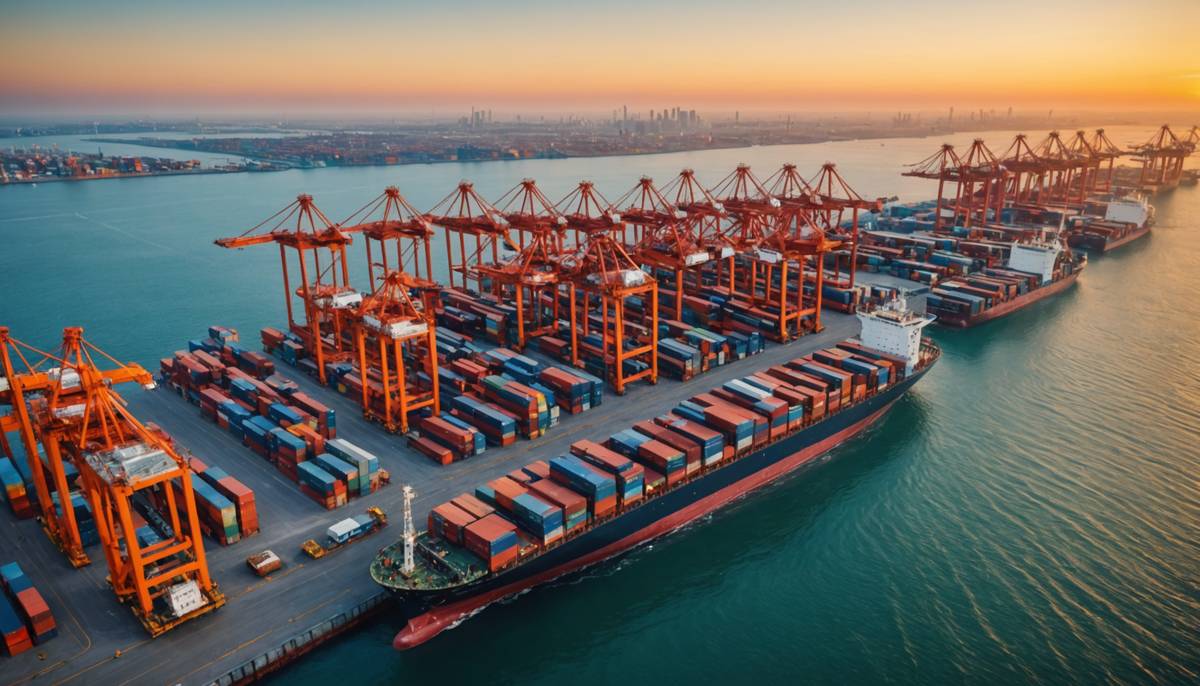
None of this means reshoring is failing. Beneath the aggregate numbers, the geography is already shifting. A roughly $300 billion reallocation in sourcing moved between countries without changing the headline total, but it changed the mix: computer and electronic products and apparel remain stubbornly offshore, while most other product categories are starting to show modest, real progress. The countries receiving the redirected volume are rarely the ones that dominated before the tariff era.
The deepest signal, though, is confidence. Only 18 percent of CEOs now say they are very confident they will earn an acceptable return on their reshoring investments, down from 47 percent a year earlier. Fifty-seven percent expect to significantly revise their strategies or go back to the drawing board. That is not retreat. It is recalibration under uncertainty, and it explains why executives are treading water while waiting for policy and demand signals to firm up.
So what should a supply chain leader do with a paradox? Stop counting announcements and start measuring the three things that actually turn capital into resilience. First, capacity utilization: unused domestic capacity is sitting 3.1 points below normal, and ramping existing plants is faster and cheaper than cutting ribbons on new ones. Second, the skills pipeline: the binding constraint is not steel but machinists, technicians, and the people who keep lines running. Third, category-level import data: the national index hides the fact that some product families are already coming home, and those are the ones worth betting on.
The reshoring paradox does not mean the strategy failed. It means the strategy is running on a longer clock than the headlines, and the real work is not pouring more concrete. It is filling the plants we already built with the people, the suppliers, and the certainty they are waiting for.