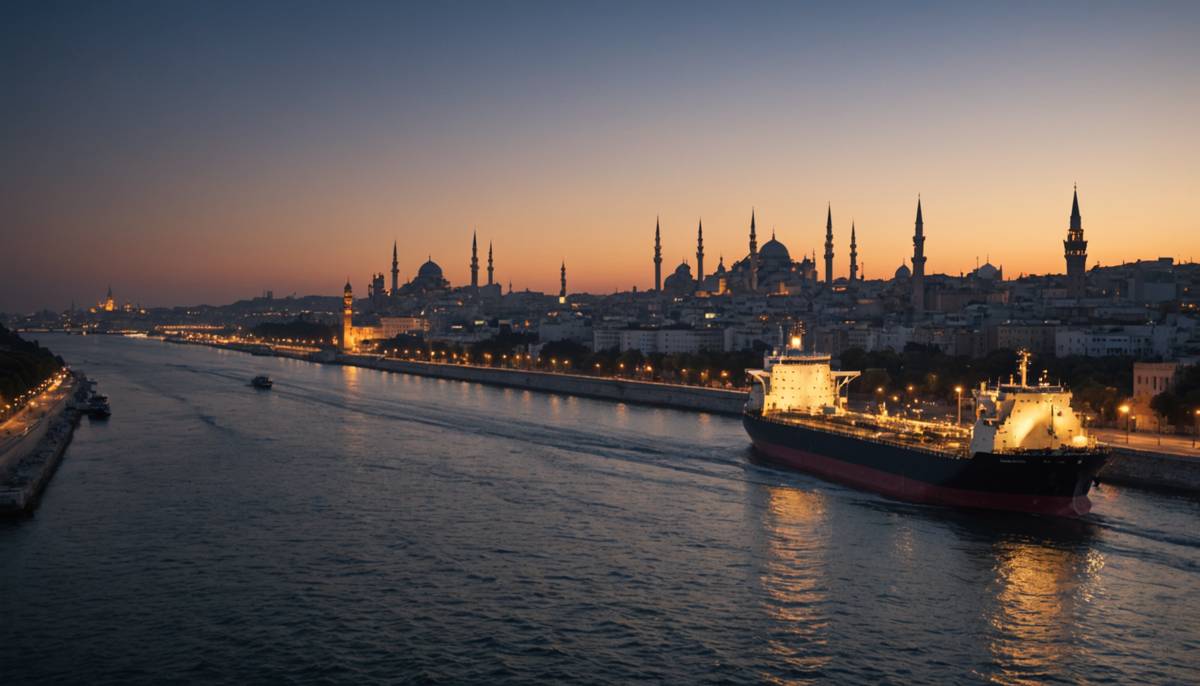
The narrowest point of the Bosphorus is 700 metres wide. Seven football pitches, end to end. Every ship that enters or leaves the Black Sea must pass through that gap, past the skyline of Istanbul, under bridges built by a NATO ally. That ally has just started slowing the traffic down.
Türkiye is delaying Black Sea ship access after a surge of attacks on vessels. Not a closure. Not a blockade. A slowdown. Slowdowns do not make headlines, because a delay of a day or two looks like routine congestion. The bill arrives later, in demurrage charges, missed loading windows and renegotiated freight rates.
Here is the uncomfortable truth about chokepoints: the risk is not always war. Sometimes it is the quiet decision of the country that controls the door to take a little longer to open it.
The strait is not a scenic postcard. It is a 30-kilometre corridor with sharp bends, strong currents and one passage only 700 metres wide at its narrowest, which is why every transit runs with a local pilot on board. The 1936 Montreux convention handed Türkiye the keys to passage between the Black Sea and the Mediterranean, and merchant shipping has flowed through ever since: more than 40,000 vessels a year, carrying Russian crude, Ukrainian wheat and sunflower oil. Ukraine alone exported around 50 million tonnes of grain a year before the war, and most of it left through these waters. When the straits slow down, the world’s breadbasket feels it at the port, not at the headline.
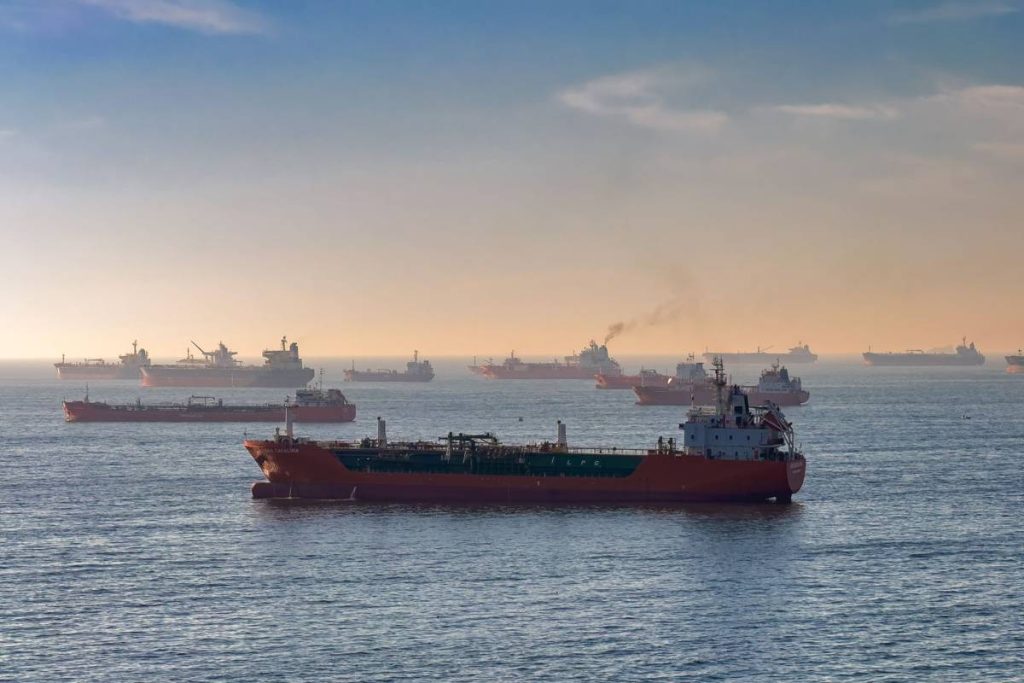
And this slowdown arrives at the worst possible moment. Oil flows are already being significantly disrupted by the war in Iran, so any additional friction in the Black Sea layers onto a market with no spare capacity. Add the insurance effect: when attacks surge, war-risk premiums climb, and vessels waiting at anchorage burn fuel and clock demurrage for every extra day. The queue is no longer a logistical detail. It is a cost line that someone has to absorb, and that someone is usually the cargo owner at the end of the chain.
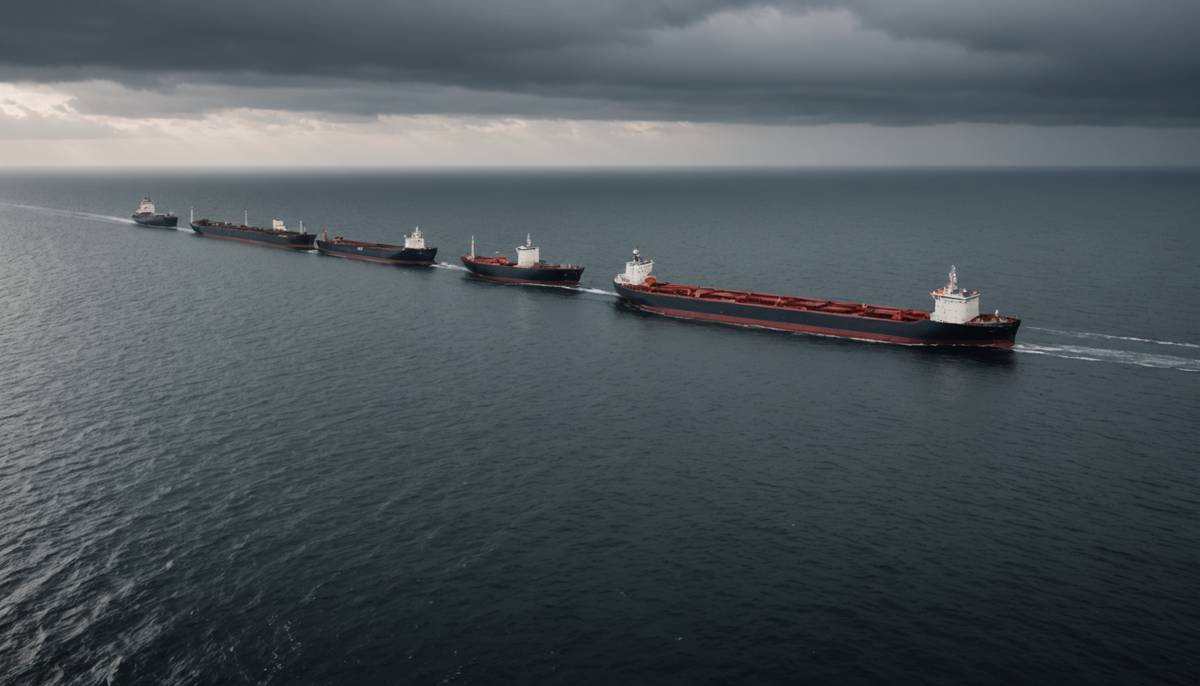
Talk to a ship agent in Istanbul and you will hear the slowdown in his voice. He has a tanker waiting at the northern entrance, a grain carrier due in two days, and a phone that rings at 3am with captains asking the same question: how long is the queue? He does not know, because the queue is now a matter of state rather than logistics. What he does know is the arithmetic: every extra day at anchorage is fuel, crew cost, and a missed loading window for someone downstream who has already sold the cargo on paper.
The Suez Canal taught the world what a closed chokepoint costs. When the Ever Given ran aground in March 2021, the canal shut for six days, roughly 12 percent of global trade passes through it, and estimates of the daily cost ran into the billions. That blockage was a single ship, a single event, front-page news. The Bosphorus is the opposite: a tap turned down a notch at a time. Every individual delay is small enough to be explained away. Together they rewrite schedules, contracts and insurance tables without ever producing a dramatic photograph.
The deeper problem is that Türkiye is an ally, not an adversary. Nobody calls a NATO partner’s operational caution a crisis. It is described as a necessary measure, a temporary adjustment, a routine slowdown. That is exactly why it is dangerous. Adversarial blockades are planned for. Ally-induced friction is absorbed quietly, shipment by shipment, until someone adds up a quarter of lost time and asks what happened.
The traders who survived the last Black Sea disruption were not the ones with the biggest fleets. They were the ones who had priced in friction: alternate ports, buffer stock, and contracts with delay clauses written by someone who had actually waited at anchorage. The ones who treated the corridor as reliable paid the difference in demurrage.
The lesson is not about Türkiye. It is about every chokepoint in your own network: the canal you route through, the port with the single berth, the border crossing with one bridge. Map them, ask who controls each one, what their incentives are, and what the alternative route really costs. The companies that plan for the quiet slowdown will be the ones still on schedule when the next tap is turned.