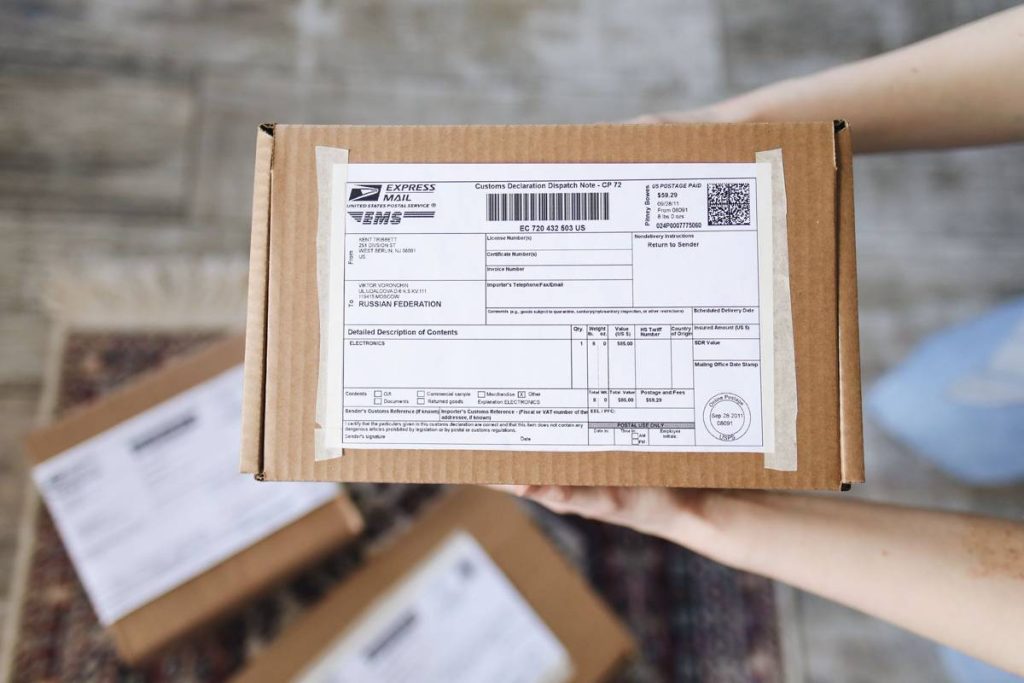
For years, importing a $50 gadget from overseas cost nothing at the border. No duty, no paperwork, no questions. The parcel sailed through customs on a legal shortcut so small that most buyers never knew it existed.
That shortcut is gone. And on August 13, a federal court confirmed it is never coming back.
De minimis is officially dead. The sub-$800 duty free threshold that powered a generation of cross border ecommerce has been eliminated, and the last legal challenge has failed.
The story begins in 2016, when the United States raised its de minimis threshold from $200 to $800. The change was meant to cut red tape for consumers, and for a while it did exactly that. But the scale of what followed surprised everyone. By 2023, more than one billion parcels entered the country under the exemption, most of them small packages from Asian ecommerce platforms. An entire logistics economy grew up around the assumption that the $800 rule would stay forever.
Then came the shift. In 2025, the administration invoked the International Emergency Economic Powers Act to strip duty free treatment from low value imports. The exemption was removed first for goods from China, then extended to all countries. Importers, forwarders, and customs brokers scrambled to adapt. But a coalition of affected businesses went to court, arguing that the president had overstepped his authority.
That lawsuit was the last hope. On August 13, 2026, the U.S. Court of International Trade ruled unanimously that IEEPA authorizes the president to revoke duty free treatment for sub-$800 imports. The ruling removes the final legal uncertainty around a policy that had already reshaped cross border parcel economics for more than a year. The last shippers hoping the courts would resurrect the exemption can stop hoping.
What does this mean in practice? First, every parcel is now subject to duty. A $49 order that once arrived tax free can now carry tariffs, processing fees, and brokerage charges that together can exceed the value of the item itself. Second, the compliance burden moved downstream. Carriers and platforms now handle customs declarations for millions of packages that previously required none, and their fees reflect that work. Third, the pricing models that made ultra cheap overseas retail possible are being rebuilt around a new cost structure.
The timing matters as much as the ruling itself. For over a year, the policy lived under a legal cloud. Some importers kept operating as if the exemption would return, postponing price changes, delaying supplier renegotiations, and hoping the courts would do the cleanup work. The August 13 decision closes that window. Whatever an importer thought the rules might become, the rules they are now are the rules they will stay. Certainty, even unpleasant certainty, is easier to plan around than suspense, and supply chains reward whoever plans first.
Consider a small online seller who built a business importing niche products at $300 to $700 per shipment. Under the old rule, the margin was clean: product cost plus shipping, with no border friction. Under the new rule, every order carries a duty line that must be calculated, paid, and either absorbed or passed to the customer. A supplier in a high tariff category can see per order costs rise by a quarter or more overnight. For a one person operation, that is not a spreadsheet exercise. It is the difference between a viable niche and an abandoned one.
The quiet lesson for sourcing strategy is structural. The de minimis exemption was never a law of nature. It was a policy convenience that happened to align with a specific era of ecommerce, and policy conveniences can be revoked. The companies that treated the $800 rule as permanent are now renegotiating prices, reshuffling suppliers, and recalculating whether to hold inventory closer to home. The ones that treated it as a temporary gift planned for both worlds and barely noticed the transition.
For forwarders and customs brokers, the ruling is a workload event disguised as a legal one. Every low value shipment now needs classification, valuation, and entry work that used to be skipped. That is friction for shippers and volume for compliance specialists. Platforms that sell to US consumers face the hardest arithmetic: they can absorb duties to protect price perception, pass them to buyers and watch conversion fall, or push fulfillment into US warehouses and trade border costs for inventory costs. Each choice reshapes the freight lanes those goods travel.
If you import low value goods, the reset is not coming; it is already here. Run the numbers on your real landed cost, not the price your supplier quotes. Reclassify your products before customs does it for you. And build your sourcing model around the duty rates that exist today, not the ones that used to exist. The era of the free ride is over, and the winners will be the importers who stopped waiting for a legal miracle and started planning for a taxed reality.