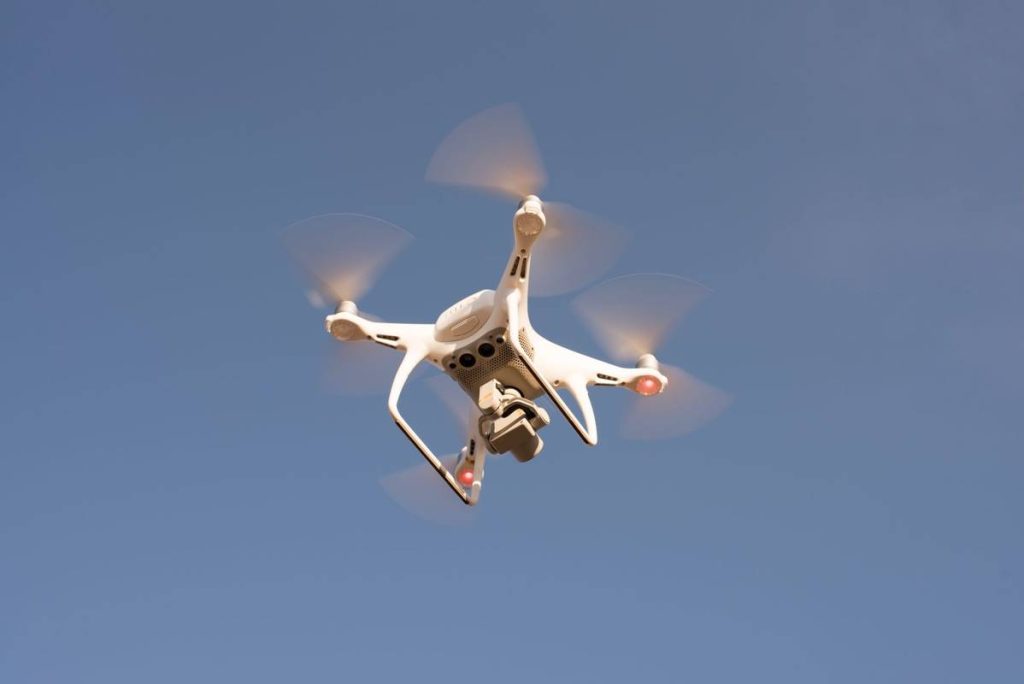
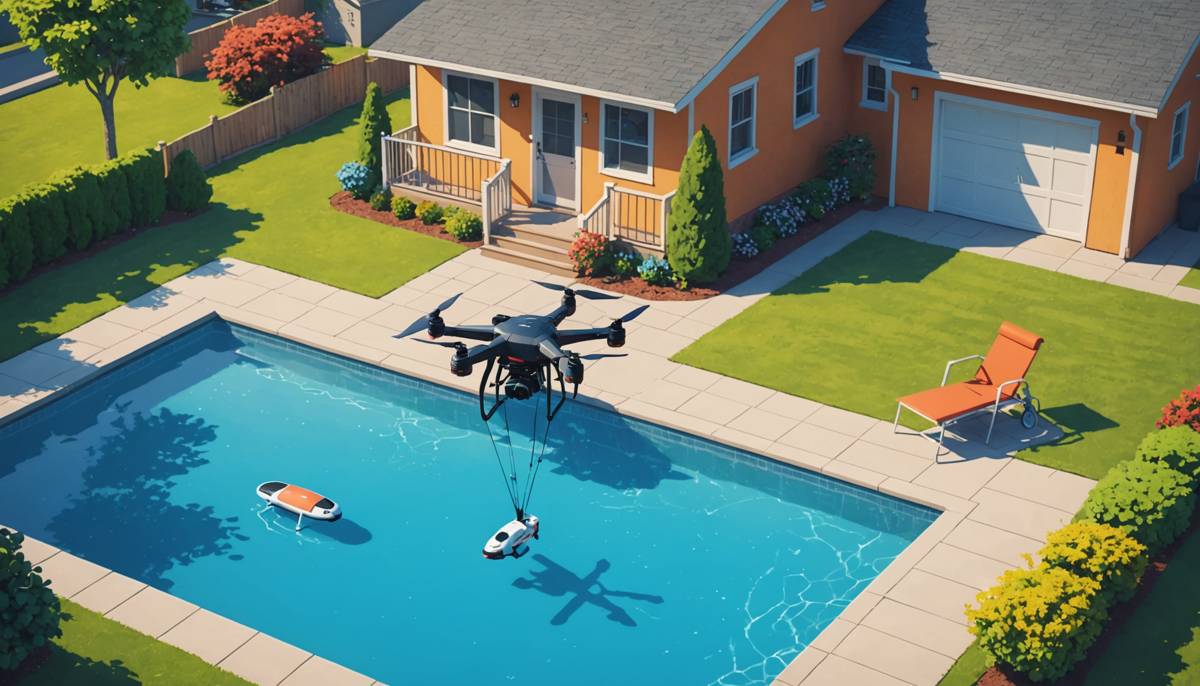
On August 20, Lindsey Austen heard a buzzing sound over her backyard in Richmond, Texas. She grabbed her phone and ran outside to record the moment her first Amazon drone delivery arrived. The drone hovered, released the package, and dropped it straight into her swimming pool. The video went viral within hours. The timing could not have been worse for Amazon, because the company had announced its most ambitious drone expansion ever exactly one day earlier.
Here is the tension in one sentence: Amazon is scaling drone delivery to nearly 500 cities by the end of 2026, but trust is built one landing at a time, and a package in a pool is a very visible landing.
On August 19, Amazon’s Prime Air announced a sixfold increase in its drone delivery footprint. By the end of 2026, the service will reach nearly 500 cities and towns across the United States, bringing ultrafast delivery within reach of tens of millions of customers. The promise is specific: groceries, electronics, cosmetics, medications, and household products, delivered in as fast as 30 minutes.
The current footprint tells the story of a careful rollout. Prime Air already serves seven states: Arizona, Florida, Kansas, Louisiana, Michigan, Nebraska, and Texas. The next wave includes Georgia, Ohio, Illinois, Idaho, and New York. David Carbon, vice president of Prime Air, said the company has already delivered hundreds of thousands of packages by drone this year.
The technical claim underneath the expansion is Detect-and-Avoid. Amazon says its drones independently monitor airspace and make real-time safety decisions, which is what allows flights over neighborhoods without a human watching every second. That is the system that makes 500 cities plausible on paper.
Lindsey Austen’s video is not a systems failure. It is a timing failure, a sensor failure, a judgment failure. It is also the first drone delivery she had ever experienced, and it is the version of Amazon’s technology that millions of people saw for the first time.
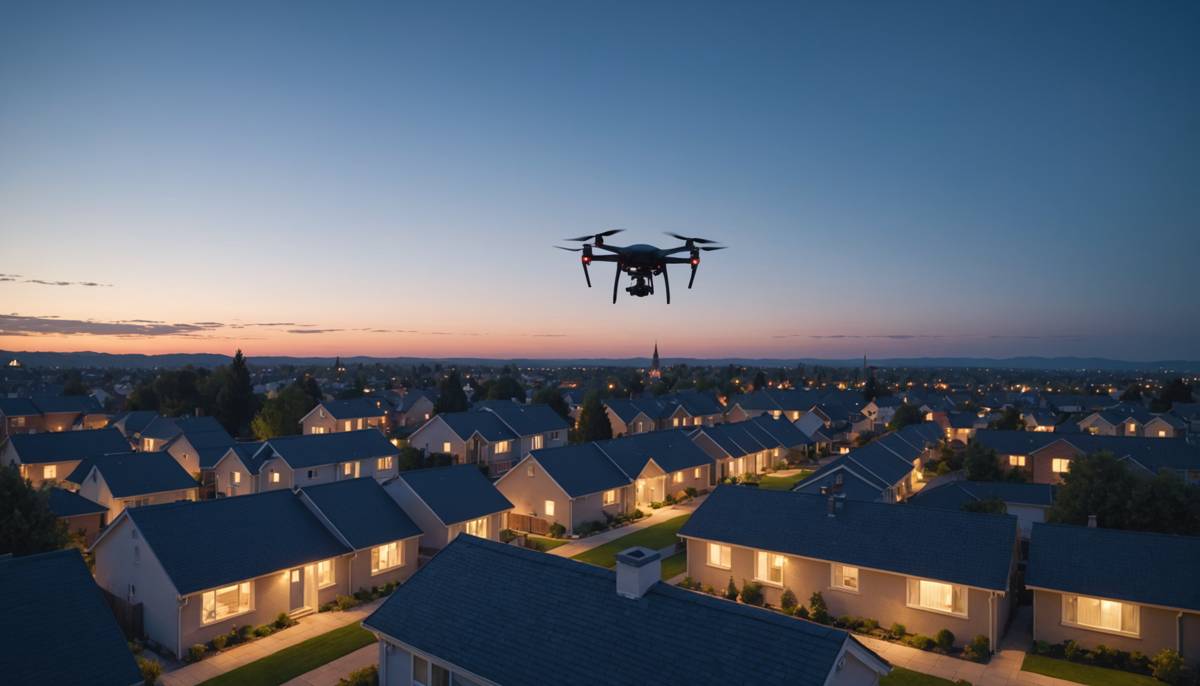
That is the real problem. Amazon’s expansion is not about drones. It is about first impressions at scale. Every new city Prime Air activates is full of people who have never seen a delivery drone up close. Their opinion of the entire category will be formed by the first three deliveries they witness. A package in a pool in Richmond becomes a meme watched by people in Georgia, Ohio, Illinois, Idaho, and New York, the exact states Amazon plans to launch next.
The gap is not between promise and technology. The gap is between a press release that counts cities and a customer who counts successful landings.
This pattern is not unique to Amazon. Autonomous vehicles hit pedestrians in simulation years ago and still occasionally confuse a truck for the sky. Warehouse robots jammed, dropped goods, and stopped mid-aisle before they became boringly reliable. Delivery drones are following the same curve, except their failures happen in public, in backyards, on camera, at human scale.
The question is not whether a drone will occasionally drop a package into a pool. It will. The question is what happens next, and that is a supply chain problem, not an engineering problem. How fast does the customer get a replacement? How quickly does the fleet learn? Does the company tell the truth about what went wrong, or does it stay silent while the video does a million views?
Amazon has responded to the video, and the response matters less than the pattern behind it. The winners in automated delivery will not be the companies with the most cities. They will be the companies with the best exception handling, because exceptions are what customers actually remember.
Here is an uncomfortable thought for every supply chain professional reading this: the pool video is the most honest reliability report Amazon has published this year. A press release says the fleet is growing sixfold. A viral video says the fleet is still learning to land. Both are true, and the truth that customers act on is the video.
The lesson for anyone rolling out automated logistics is simple. When you announce scale, publish your exception rate before the internet finds it for you. Tell customers what happens when a delivery fails, because it will fail sometimes. Build the refund, the replacement, and the communication into the launch plan, not as an afterthought.
And when you hear about the next ambitious expansion, ask one question before you are impressed: how many packages have landed where they were supposed to land? The city count is marketing. The landing rate is the supply chain.
The drone will land on Lindsey Austen’s lawn next time, probably. But the industry will not earn her trust with a bigger fleet. It will earn it with a better apology, a faster replacement, and a software update that nobody sees. That is where the real competition is, and it is not a technology race. It is a trust race, and it is just getting started.