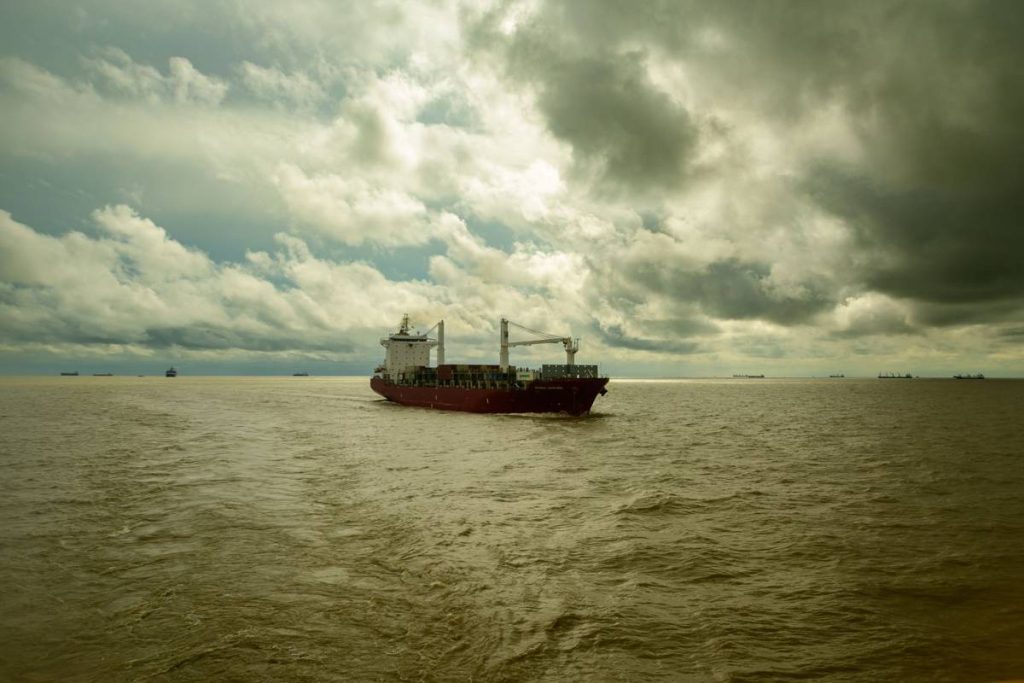
In early 2026, a major container line quietly adjusted its North Atlantic schedule. Transit times between Rotterdam and New York were padded by three days. The official explanation mentioned “operational optimization.” The actual reason was not docks, cranes, or labour. It was wind.
The North Atlantic jet stream, supercharged by the developing El Niño, is pushing eastbound crossings off course with increasing frequency. Ships steaming into the prevailing westerlies are burning 15 to 20 percent more fuel per crossing than they did five years ago. That cost does not vanish. It is recalculated into every freight rate, every contract clause, every quarterly budget.
Most discussions about El Niño and supply chains focus on the Pacific. But the Atlantic basin, which carries roughly 30 percent of global containerised trade through its major routes, is undergoing a quieter transformation. This is not a weather event. It is a structural shift in how ocean freight works.
The Atlantic Wind Machine
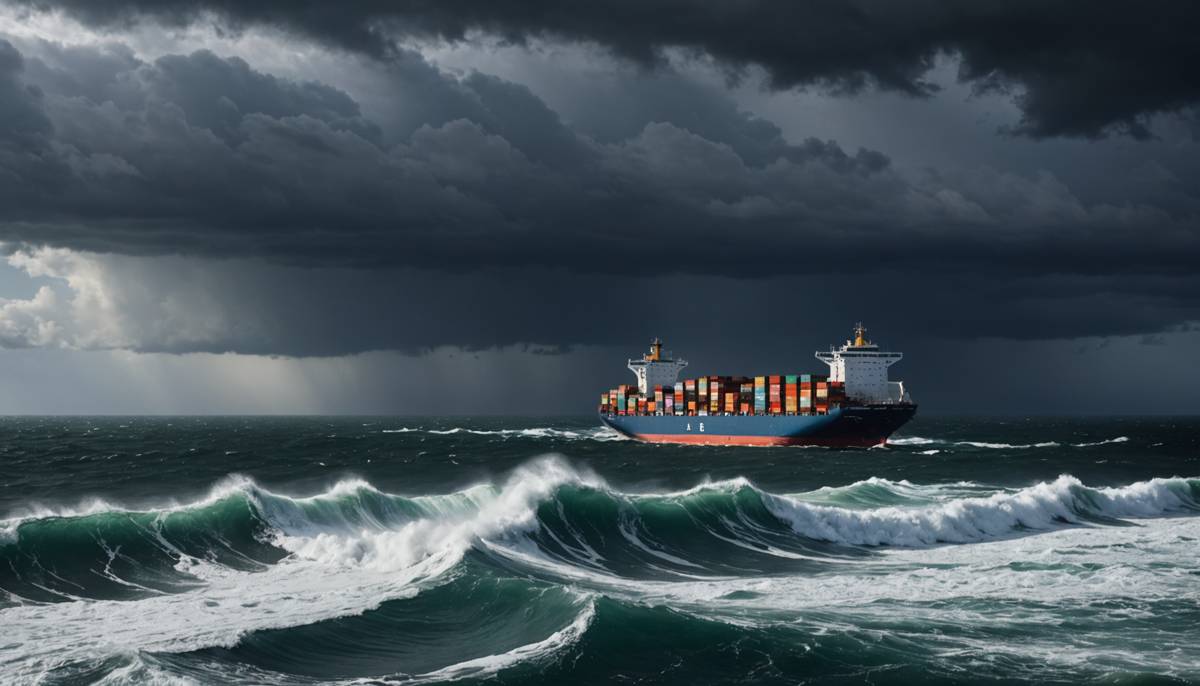
El Niño alters global atmospheric circulation in a well-documented pattern. Warmer Pacific waters shift the position of the jet stream, which changes the Atlantic hurricane season, the North Atlantic storm track, and the trade winds across the equatorial belt.
The 2026 Atlantic hurricane season forecast calls for 17 to 25 named storms. But the number matters less than their intensity and duration. A single major hurricane that shuts down the Port of Charleston for 72 hours affects 200,000 TEUs of cargo. A Category 3 storm that closes the Houston Ship Channel for a week resets chemical supply chains across the entire Gulf Coast for months.
What is different this year is compounding. The Atlantic is running warmer than any previous year on record, which means storms intensify faster, stall longer, and carry more moisture. When a slow-moving hurricane parks over a major port complex, the damage cascades through vessel schedules for weeks. The knock-on delays at downstream ports, known as schedule creep, add two to five days per subsequent call for the remainder of a vessel’s string.
Panama Redux
The Panama Canal drought of 2023 and 2024 captured headlines because it was visible. Ships queuing at anchor, slot auctions hitting $4 million, draft restrictions forcing carriers to lighten loads. By mid-2025 transit numbers recovered. But El Niño reintroduces a less visible risk.
The canal relies on rainfall in the Panama watershed. El Niño historically brings drier conditions to this region. Even with the new reservoir project, a prolonged dry spell during a high-traffic period would force the canal to reintroduce draft limits. A carrier that cannot rely on the Panama Canal reroutes around Cape Horn or through Suez. Either option adds 14 to 21 days to a voyage. That decision is no longer about cost. It is about predictability.
The African Atlantic Corridor
West and Southern African ports like Ngqura, Durban, and Tema have grown into critical nodes in east-west trade. The Atlantic side of Africa is no longer a secondary corridor. El Niño’s impact on Southern Africa is not limited to the Indian Ocean side. The Congo Basin and the Angola Current are also affected by the same global circulation shifts. Extreme rainfall events that wash out rail lines connecting mines to ports are increasing.
Consider the Walvis Bay corridor, serving landlocked Botswana, Zambia, and Zimbabwe. Transit times on this route have doubled from 14 to 28 days in the past year. A portion of that is port congestion. But an increasing share is weather-related closures on the inland leg: washed-out bridges, flooded border posts, and roads that become impassable after sustained rainfall. These are not disruptions a standard business interruption policy covers.
Scheduling on a Shifting Foundation
The ocean carrier scheduling model assumes stable transit times. That assumption is eroding. In 2025, schedule reliability across the top 13 carriers averaged 56 percent. Weather-related delays now account for a growing share of unreliability, and El Niño amplifies every weather variable.
The practical consequence for cargo schedulers is that the buffer time they used to build into plans is no longer sufficient. A vessel delayed 72 hours by an Atlantic storm, followed by port congestion from the same storm, then a missed berthing window at the next port, produces a cumulative slip that wipes out the buffer entirely. The result is missed production starts, empty warehouse racks, and overtime logistics costs that never appear on a standard variance report.
What Forward-Looking Preparation Looks Like
Three practical steps for the months ahead.
First, map your Atlantic exposure. Which of your suppliers ship through Gulf of Mexico ports, the US East Coast, Caribbean transshipment hubs, or West Africa? Those are the nodes most exposed to this year’s pattern. For each, identify alternative routing options that exist today. If the Houston Ship Channel closes for a week, where does your material come from?
Second, shift from static to dynamic inventory buffers. Fixed safety stock reviewed quarterly does not work when transit time variance doubles in a single season. Use carrier schedule reliability data, publicly available by trade lane, to set buffers that adjust with real risk. If North Atlantic reliability drops below 50 percent for three consecutive weeks, your buffer should rise automatically.
Third, build a weather-informed decision cadence. Your operations team should review the 14-day hurricane and storm outlook for every basin your supply chain touches each week. When a tropical depression enters a five-day forecast cone that intersects a critical port, the authority to reroute cargo should not require a committee meeting. It should be a pre-approved trigger.
The carriers have already begun adjusting. They are padding schedules, repositioning fleets, and building weather clauses into contracts. The question is whether their customers are doing the same. El Niño is not rewriting the rules because the rules are new. It is rewriting them because the assumptions the rules were built on, stable weather, predictable transits, and reliable port operations, no longer hold. The companies that will navigate this period intact are the ones that have already updated their planning assumptions to match the Atlantic as it is, not as it used to be.