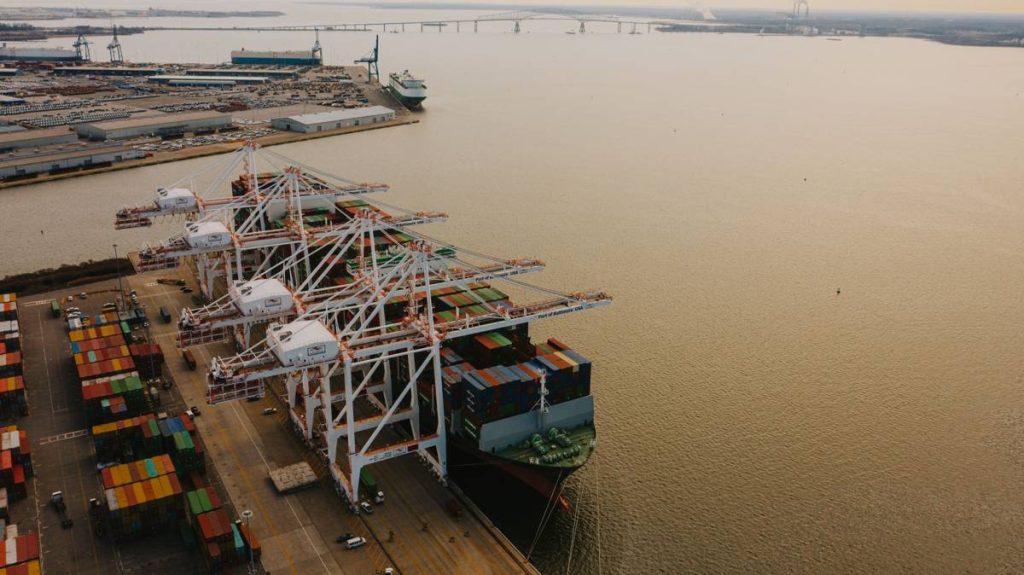
In early July, a senior logistics manager at a Rotterdam-based freight forwarder opened her morning dashboard and found three red alerts. A Saudi tanker had been struck by a Houthi drone in the Red Sea. The Panama Canal Authority had posted its first El Nino draft restrictions of the season. And the US Treasury had just sanctioned six more container vessels linked to Iran’s shipping network. She closed the dashboard, opened a spreadsheet, and began recalculating every route her clients had booked for the next eight weeks.
Three simultaneous pressures are converging on global ocean freight routes, and the window for rerouting is narrowing fast.
The Red Sea Is No Longer a Calculated Risk
When the Houthis attacked a Saudi oil tanker in the Red Sea in mid-July, the incident barely made global headlines. For shipping lines, it was the latest data point in a pattern they can no longer ignore. The Bab el-Mandeb strait, through which roughly 10 percent of global seaborne oil passes, has become a zone where insurers are quietly doubling war risk premiums and crews are requesting hazard pay.
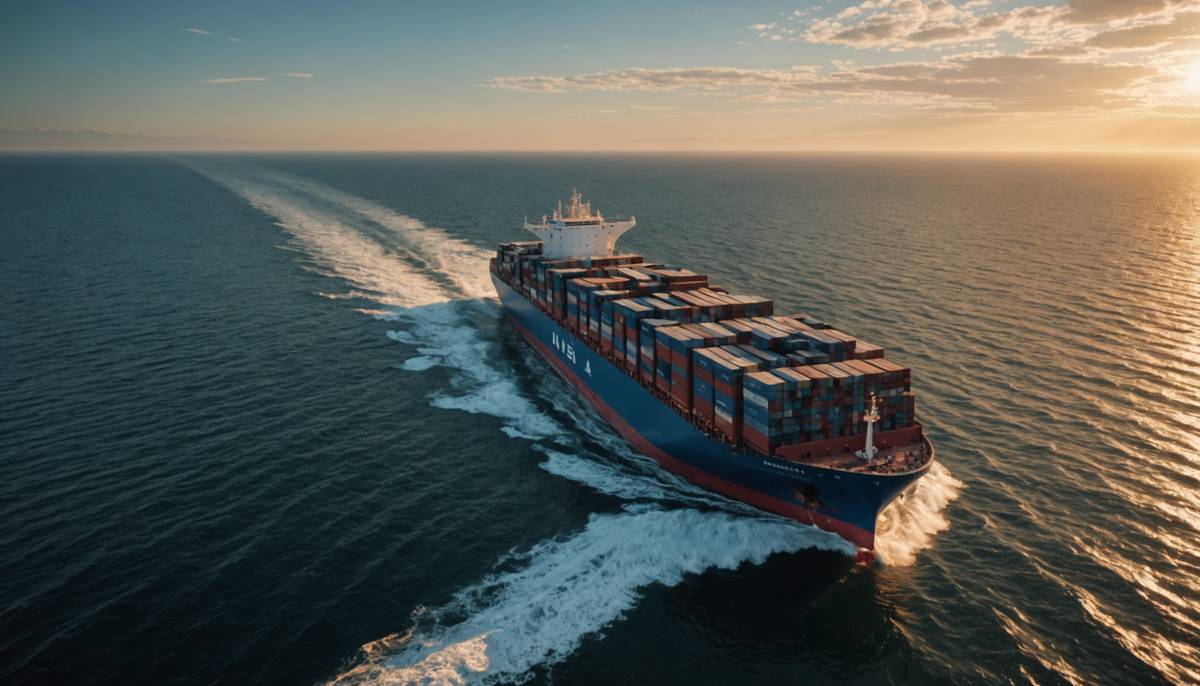
The rerouting around the Cape of Good Hope adds 10 to 12 days per voyage. That is not just extra fuel. It is missed slot windows in Rotterdam, delayed cargo releases in Felixstowe, and cascading schedule failures across the North Atlantic. One vessel arriving late triggers a chain that takes three to four sailings to absorb.
The Panama Canal Drought Is Back, and It Is Worse This Time
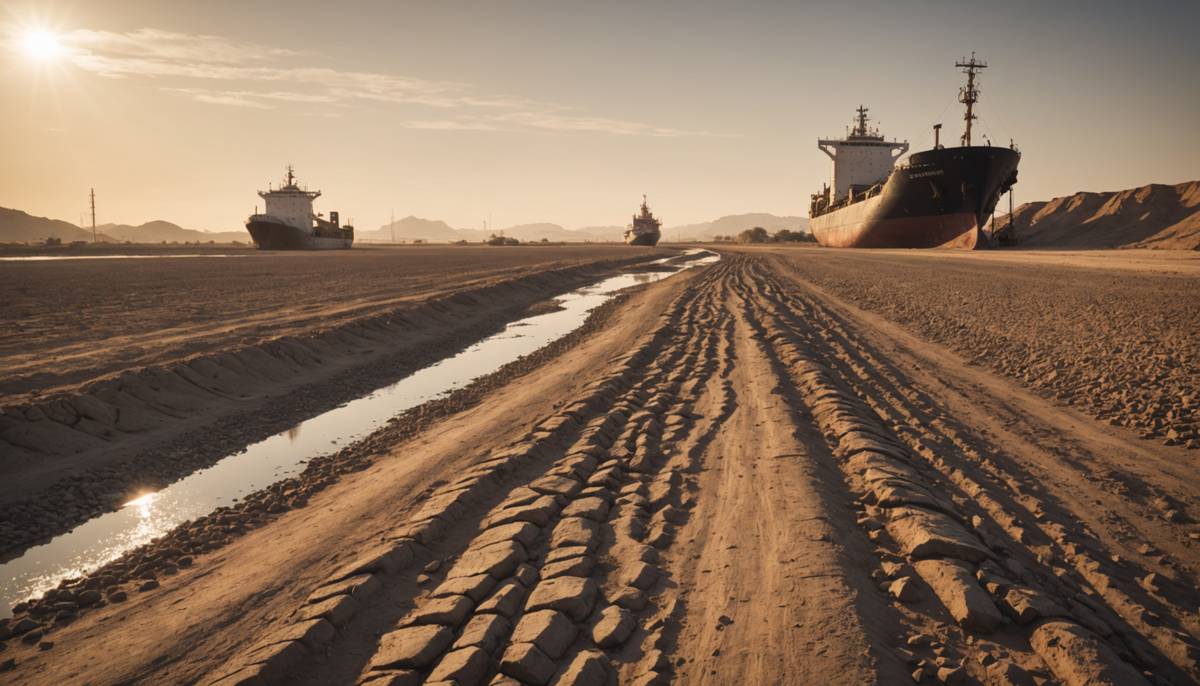
El Nino is not a new story for supply chain professionals, but this year’s cycle is arriving earlier and hitting harder. The Panama Canal Authority announced its first transit restrictions for the 2026 El Nino season in late July, limiting maximum vessel draft through the Neopanamax locks. For container lines running Asia-to-US East Coast services, this means either carrying lighter loads or paying a premium for a reserved transit slot.
The canal handles roughly 40 percent of US container imports from Asia. Every inch of draft reduction removes roughly 150 containers from each vessel’s carrying capacity. Spread across a month of crossings, that is thousands of containers that must either find an alternative route or wait for the next transit window.
The Sanctions Dragnet Is Catching More Than It Targets
The US Treasury’s decision to sanction six additional box ships linked to SeaLead’s network marks a significant expansion of maritime enforcement. These are not obscure vessels operating under flags of convenience. These are container ships calling at major hubs including Jebel Ali, Mundra, and Colombo.
What makes this pressure different from previous rounds is the chilling effect on the secondary charter market. Shipowners are increasingly reluctant to charter vessels to any operator with even tangential ties to sanctioned trades, because the due diligence required to prove compliance has become costlier than the charter revenue itself. Vessels sit idle while lawyers review bills of lading.
The Convergence Creates a New Risk Category
Any one of these pressures would be manageable on its own. Shipping lines would reroute, adjust schedules, or absorb the cost. The problem is that they are hitting simultaneously, and each solution makes the other problems worse.
Rerouting around the Red Sea puts more pressure on the Suez Canal alternative, which is already handling diverted traffic. Shifting cargo from Panama to US West Coast rail corridors congests the Los Angeles and Long Beach rail yards. Sanctions-driven vessel idling reduces the overall fleet capacity at exactly the moment when longer routes demand more vessels.
For an operations director at a mid-sized manufacturer, the net effect is simple: transit times that used to be predictable within two days are now unpredictable within two weeks.
What the Chief Supply Chain Officer Should Do
The standard playbook : building inventory buffers, dual-sourcing from multiple regions, negotiating annual rate contracts : assumes that disruption is episodic. This pattern is structural.
The first move is to map every ocean route your company uses and identify which are exposed to each of these three pressures. A container from Shanghai to Memphis that transits the Panama Canal is exposed to two of three. A shipment from Jebel Ali to Rotterdam that passes through the Red Sea is exposed to all three.
The second move is to shift from annual to quarterly route reviews, because the sanction list changes faster than any contract renewal cycle. The vessel that was compliant in January may be on a Treasury watchlist by April.
The third move is to build a decision tree, not a forecast. Ask: if the Red Sea closes completely, which port do we use for Indian Ocean cargo? If Panama reduces draft by another foot, do we split the shipment between Los Angeles and Savannah? If three more vessels are sanctioned, which operator has available tonnage that is not under investigation?
The companies that survive the next twelve months will not be the ones with the best forecasts. They will be the ones with the fastest route-change decisions.