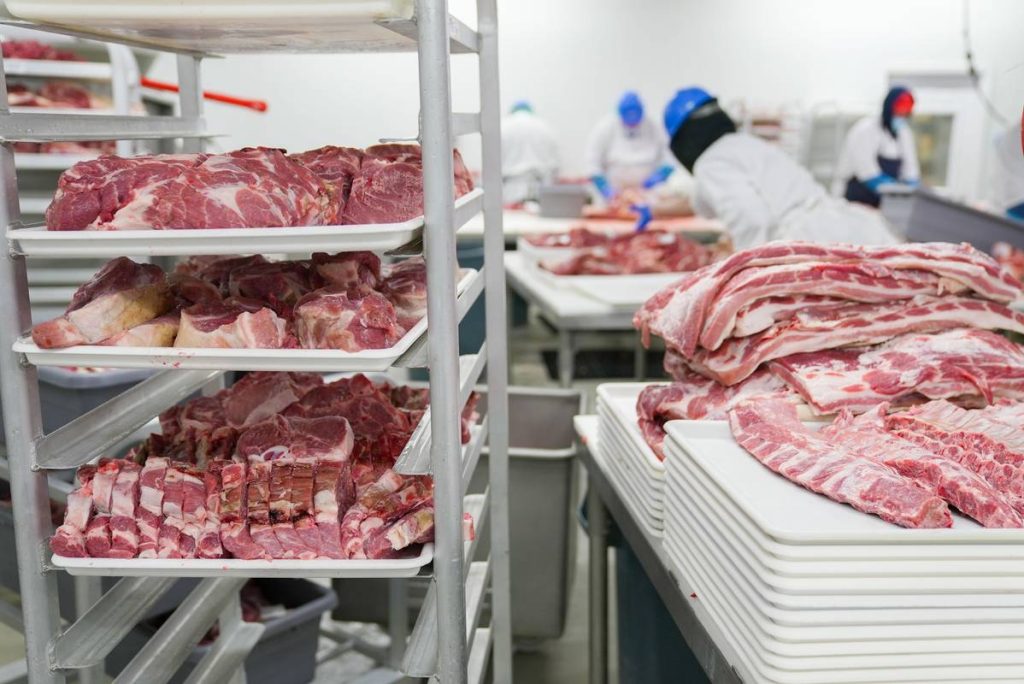
When the world’s largest meat processor announced its 2040 net zero target three years ago, the food industry applauded. Finally, a heavyweight was stepping up. But in June 2026, JBS quietly withdrew that commitment, citing “immense” challenges in executing its climate strategy. The announcement sent ripples through supply chain circles, not because it was unexpected, but because it confirmed what many practitioners already knew. Scope 3 emissions in food supply chains are not just hard to fix. They may be harder to measure than anyone was willing to admit.
The Scope 3 Problem Nobody Wanted to Solve
Scope 3 emissions cover everything a company does not directly control. For JBS, that means emissions from feed suppliers, from the farms that raise cattle, from transportation, packaging, and even how consumers cook the final product. Unlike Scope 1 (direct operations) or Scope 2 (purchased energy), Scope 3 is diffuse, hard to verify, and intertwined with millions of independent actors across dozens of countries. This makes it fundamentally different from the emissions challenges most industrial sectors face.
The numbers are staggering. For most food companies, Scope 3 accounts for 80 to 90 percent of total emissions. In meat and dairy, that figure sits at the higher end. When JBS said execution was “immense,” it was not making excuses. It was describing a supply chain reality that no sustainability pledge alone can fix. The gap between ambition and operational capacity is measured in years, not quarters.
What Changed Between 2023 and 2026
When JBS set its 2040 goal, the global mood around climate commitments was optimistic. Companies fell over each other to announce net zero pledges. But the gap between announcement and execution has proved wider than expected. Three things shifted dramatically.
First, data collection at farm level proved far slower and more expensive than anticipated. Livestock emissions vary by breed, feed type, pasture management, and even weather patterns. Aggregating that data across thousands of suppliers requires technology, trust, and time that most supply chains lack. Without granular data, reduction targets become guesses dressed up as commitments.
Second, the technology for low-emission livestock farming has not scaled fast enough. Methane inhibitors, alternative feeds, and manure management systems exist but remain niche solutions with high adoption costs for smallholder farmers who form the backbone of global beef supply chains. The gap between lab-proven solutions and field-ready implementation remains wide.
Third, the commercial case weakened considerably. Inflation, higher input costs, and shifting consumer priorities made aggressive sustainability spending harder to justify to boards focused on short term margins. When grocery prices rise, sustainability premiums become harder to pass through to consumers, and the financial logic of net zero investments becomes strained.
The Execution Gap Is the Real Story
JBS dropping its net zero target is not evidence that sustainability is a lost cause. It is evidence that the industry underestimated the operational difficulty of Scope 3 transformation. There is a fundamental difference between wanting to decarbonize and having the supply chain infrastructure to do it at scale.
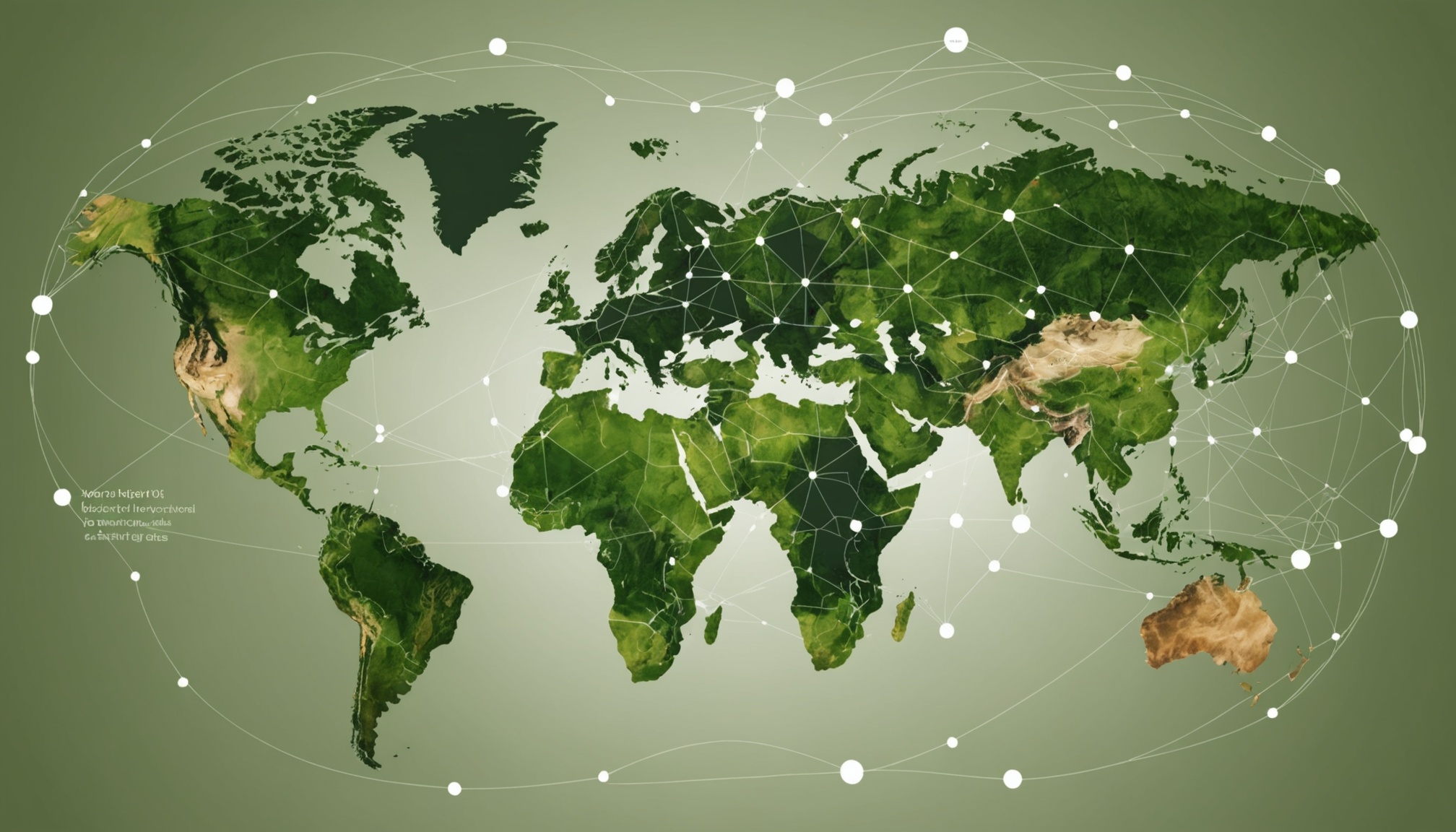
What remains less discussed is that JBS still reduced absolute emissions in its direct operations. It invested in renewable energy at facilities and improved logistics efficiency. It made genuine progress on the emissions it controls directly. But those gains are dwarfed by the sheer scale of Scope 3. A company cannot claim meaningful progress on 10 percent of its footprint while struggling to even measure the other 90 percent with confidence. This asymmetry is the core challenge that no corporate pledge has yet solved.
What the Industry Must Learn
The JBS case offers three clear lessons for food supply chain professionals. First, set targets based on data you can realistically collect, not on what looks good in a press release. Aspiration without measurement infrastructure is performance, not strategy. Second, invest in supplier enablement before you announce deadlines. Farmers and small suppliers need tools, training, and financial incentives to change practices. Mandating change without enabling it creates friction, not progress. Third, accept that Scope 3 decarbonization is a decade long endeavor, not a quarterly project. The timelines that work for investor relations do not match the timelines that work for agricultural supply chains.
The companies that will ultimately succeed are not the ones with the boldest targets. They are the ones that build the measurement infrastructure, supplier relationships, and technology pathways first, and announce commitments second. JBS reversed its target. That decision carries reputational cost. But the industry as a whole does not have the luxury of reversing its trajectory. Climate risk in food supply chains is not going away, and neither is the expectation that companies will eventually deliver on what they promise.
The gap between green goals and supply chain reality is real and wide. Acknowledging that gap honestly is not a failure of ambition. It is the first necessary step toward closing it. The next step is building the operational foundation that makes ambitious targets achievable, not just announceable.