In May 2026, the US Department of Justice indicted four of the worlds largest container manufacturers for alleged cartel behavior. CIMC, Shanghai Universal better known as Dong Fang, CXIC, and Singamas were named in the indictment. Now a US supplier has followed up with a lawsuit for damages. Atlantic Coast Container launched the legal action, which may become a class action suit, claiming these manufacturers colluded to fix prices and control the container market for years.
To understand why this matters, consider what a shipping container represents in global trade. It is not just a metal box. It is the basic unit of commerce. Every product that crosses an ocean spends time inside one. When the price of that container is artificially inflated, the cost ripple effect touches every supply chain that depends on international trade. For companies moving goods between continents, containers are not an occasional expense. They are a recurring operational cost that appears on every shipment, every week, every quarter. Even a small percentage increase in container pricing translates into millions of dollars in additional logistics spend across an entire network over the course of a year.

The indictment and the lawsuit arrive at a moment when the container shipping industry is already undergoing a fundamental structural shift. New analysis from Sea-Intelligence of UNCTAD data shows that mega-hubs are losing ground to regional ports as box lines revamp their service networks. Secondary, regional ports are emerging as the winners in this reconfiguration, while some of Asias largest transhipment hubs are losing out. This redistribution of port activity is not accidental. It is the direct result of shipping lines rethinking how they connect production to consumption in a world where route reliability matters more than route size, and where a single disrupted mega-hub can paralyze an entire region.
At the same time, terminal consolidation continues at an accelerating pace. Hapag-Lloyds Hanseatic Global Terminals signed a term sheet to acquire a 20 percent stake in Eurogate Container Terminal Hamburg. This is not an isolated transaction. It is part of a broader trend where carriers are no longer content to be carriers. They want to own the infrastructure their containers pass through. The same companies that move the boxes now want to control the yards where those boxes are stacked, the cranes that lift them, and the gates through which they leave the port.
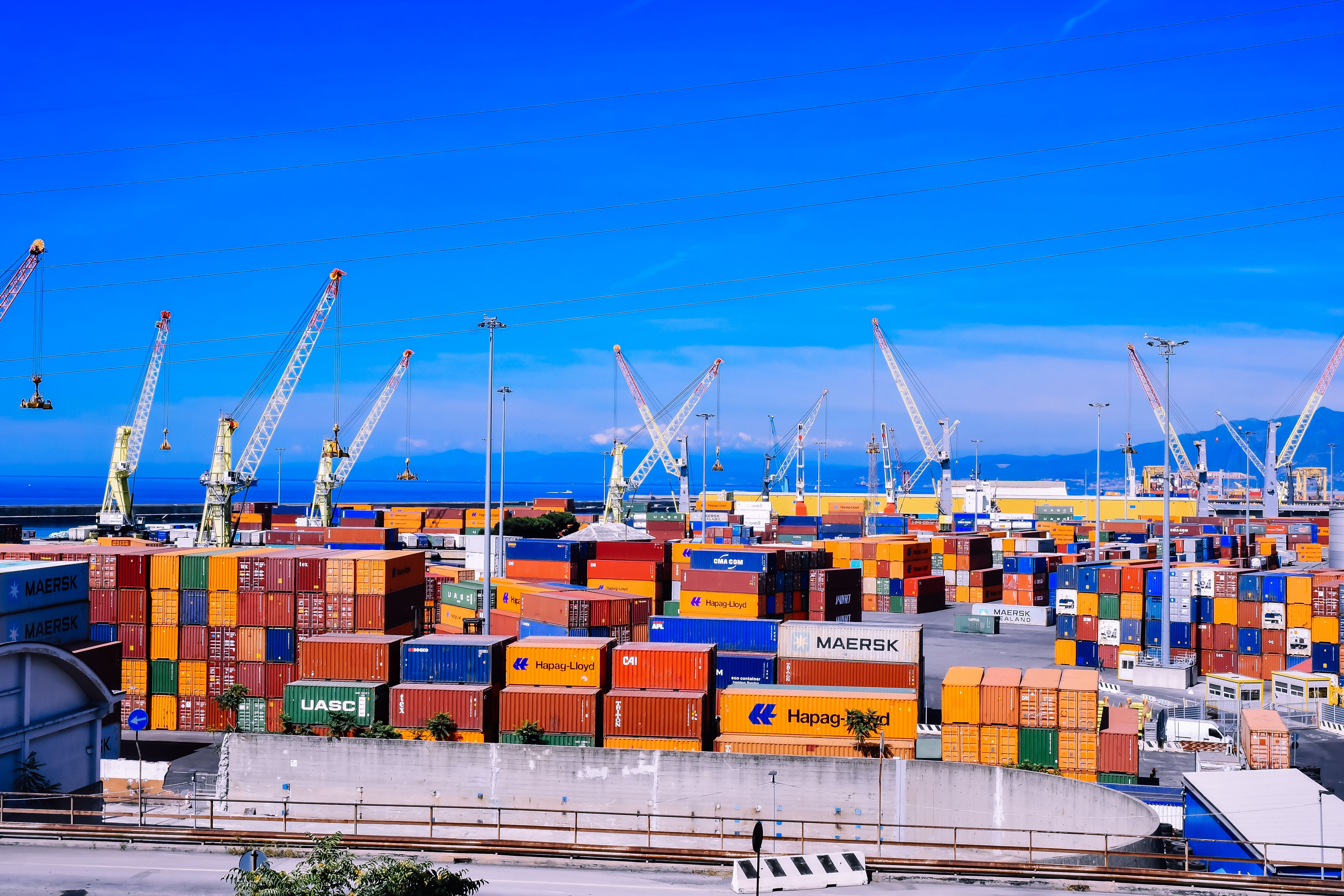
The transatlantic trade, meanwhile, has found a fragile calm. After a turbulent 2025 and early 2026 marked by shrinking volumes and rate volatility, the route has stabilized. Container Trades Statistics data for the first four months of the year shows that on the Europe to North America leg, volumes have found a new equilibrium and pricing has stabilized enough for forward contracts to become viable again. But calm on one route does not mean calm everywhere. The container cartel case adds a layer of cost uncertainty that no routing strategy can avoid, because the cost impact is not about which route you take. It is about what you put inside the box before the ship sails and how much you pay for the privilege of putting it there.
For supply chain professionals, the cartel lawsuit is a reminder that the cost of a container is not purely a function of supply and demand. It is also a function of market structure. When four manufacturers control the vast majority of global container production, the line between competitive pricing and coordinated pricing becomes very thin. The DOJ indictment is a formal statement that in the view of the US government, that line was crossed. The Atlantic Coast Container lawsuit takes that government finding and translates it into a claim for actual financial damages suffered by businesses.
If the class action succeeds, the financial impact could be significant. Companies that purchased containers during the alleged price-fixing period could be entitled to damages. But more importantly, the case could reshape how container manufacturers operate going forward. Greater regulatory scrutiny, more transparent pricing mechanisms, and potentially new entrants into the container manufacturing market could all follow. For supply chains that have been squeezed by container costs for years, any of those outcomes would be a welcome change.
The container cartel case is not just a legal story unfolding in a courtroom. It is a supply chain cost story that affects every company that ships goods across borders. When four manufacturers can control the price of the box that carries global trade, everyone pays the price. And those are the stories that matter most when the difference between profit and loss is measured in cents per box and days per transit.