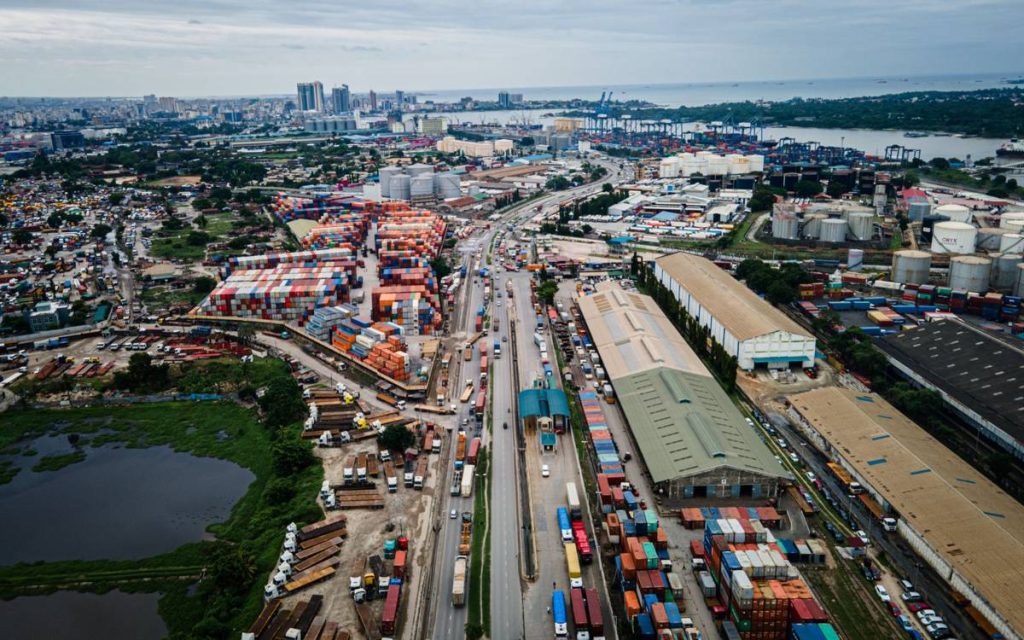
In July 2026, a terminal in Dar es Salaam handled 46,582 containers, more than three times the 13,779 it handled in May 2024. The striking detail is not the speed of that change, a 3.4 fold rise in just over two years. It is where much of the cargo was going. Trucks were carrying those boxes away from Tanzania, toward markets that have no coastline and no easy alternative to a port controlled by someone else.
Africa’s biggest logistics prize is not the ports, it is the landlocked markets behind them.
One Terminal, Seven Countries
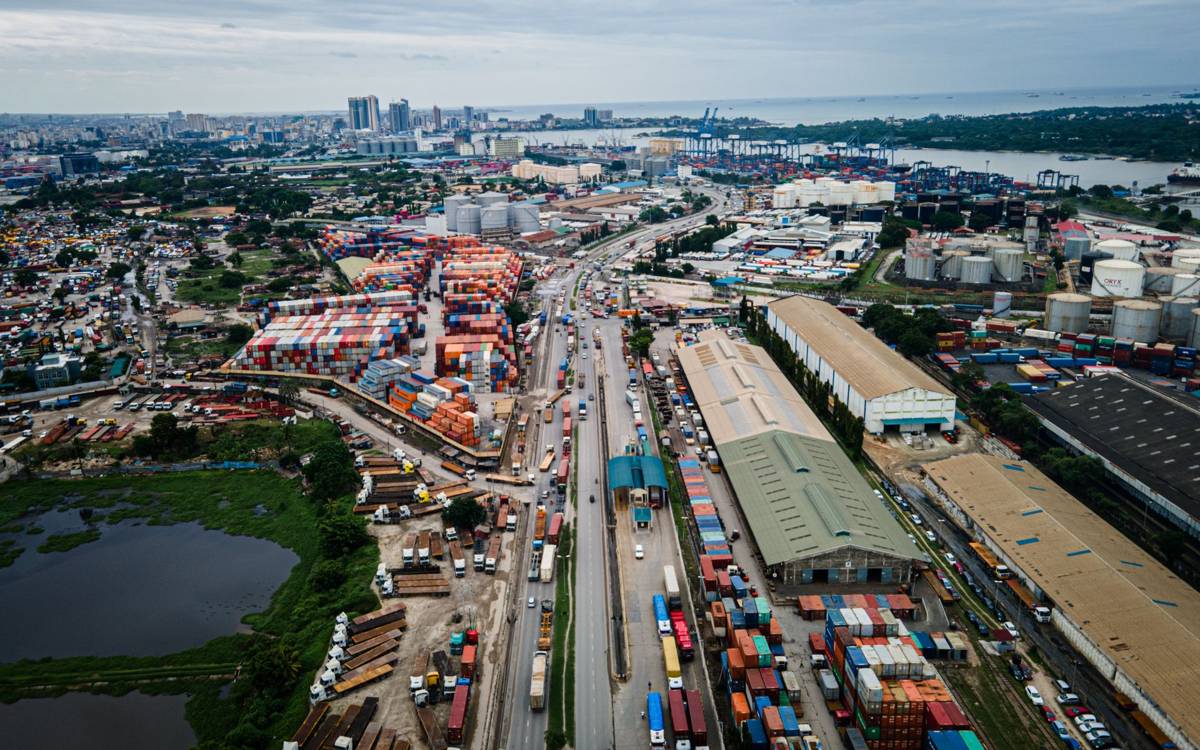
Dar es Salaam Terminal 1 is becoming a physical statement of that opportunity. It is the main gateway for Rwanda, Uganda, Burundi, the Democratic Republic of Congo, Malawi, Zambia and Zimbabwe. The terminal sits on the coast, but its commercial reach is measured inland, through truck queues, rail connections, customs posts and roads crossing several borders.
For a ship operator, the berth is only the first transaction. The harder sale is a dependable journey from the vessel to a factory, mine, warehouse or retail market far from the water. Every delay at a border can make a rival port more attractive. Every predictable movement can turn a coastal facility into the preferred entrance for an entire region.
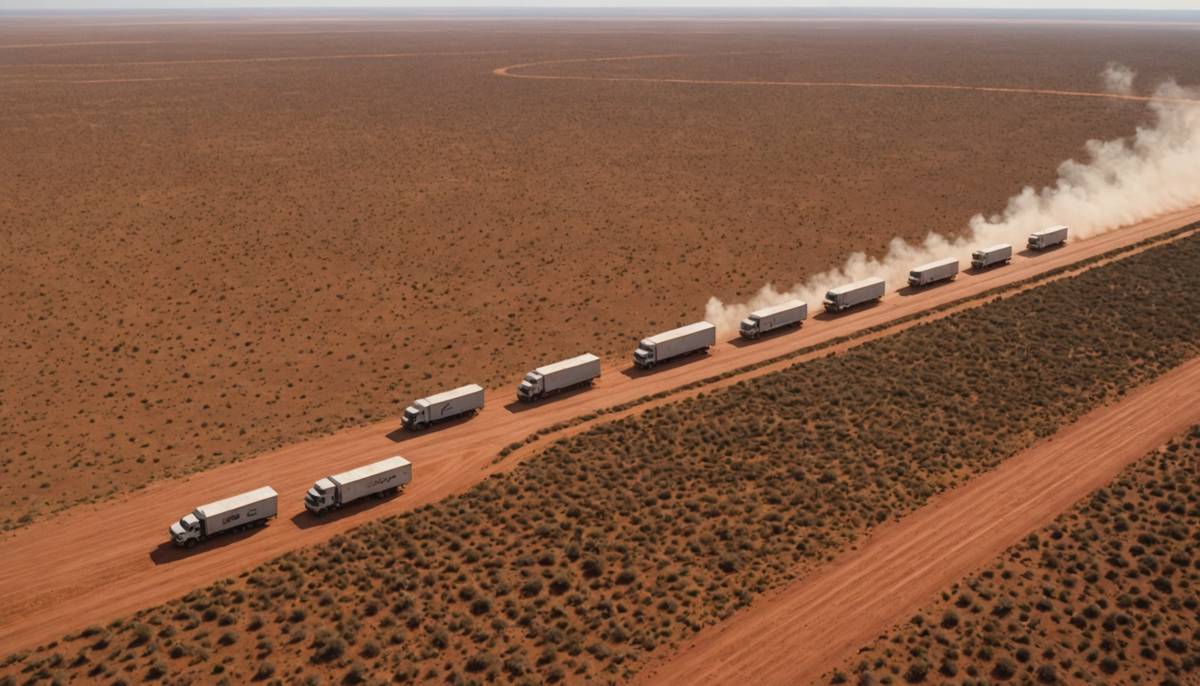
DP World is building its position around that calculation. It holds a 30 year concession at Dar es Salaam, signed in October 2023, with a first phase of 250 million dollars and a total investment that could reach 1 billion dollars. Tanzania’s national ambition is to be Africa’s leading logistics hub by 2050. The test will be whether cargo can cross the hinterland with enough speed and certainty to keep customers loyal.
The Corridor Nobody Can Copy
No operator can reproduce a corridor by copying a quay. The route is a chain of permissions, roads, railways, depots, warehouses, border procedures and local relationships. Its strength depends on the weakest stretch. A modern terminal followed by a slow customs crossing is still a slow supply chain.
The landlocked markets change the bargaining power around the port. Rwanda, Uganda, Burundi, the Democratic Republic of Congo, Malawi, Zambia and Zimbabwe need access to global suppliers and customers, but they must choose routes that balance distance, cost, security and predictability. Their cargo can influence investment decisions at the coast because a carrier wants volume that continues after the first discharge.
This is a contest for corridor control, not simply terminal ownership. Operators that combine marine handling with inland logistics can offer storage near the market, coordinate transport across borders and give shippers one accountable network instead of a string of handoffs.
Africa’s internal trade remains well behind the level of trade European countries conduct across their own borders. That gap is a constraint, but it is also the prize. Better corridors can serve imports today while making regional manufacturing, food distribution and cross border commerce more practical tomorrow.
West Coast Catches Up
The same logic is spreading along the west coast. Senegal’s Ndayane deep water port finished dredging in July 2026, thirteen months ahead of schedule. Its importance will be judged by what moves beyond the shoreline, toward inland customers and neighboring economies, rather than by the symbolism of a new harbor.
In Angola, the Luanda multipurpose terminal concession was extended by ten years, to 2051. The agreement includes 90 million dollars of investment, with capacity rising to 1.2 million containers a year. That expansion gives Luanda a larger platform, but the strategic question is whether its corridor can pull cargo from the Democratic Republic of Congo and other hinterland markets away from competing routes.
DP World’s capital spending budget for 2026 is about 3 billion dollars, with Senegal among the priority projects. The company now has more than a dozen port and logistics footholds in Africa, including Berbera in Somaliland and Maputo in Mozambique, and is developing an industrial park at Mombasa in Kenya.
What the Carriers Are Betting On
Carriers are placing their own bets on this wider geography. In September 2026, Hapag-Lloyd secured long term terminal capacity with DP World at Dakar in Senegal, Luanda in Angola and Dar es Salaam in Tanzania. It also agreed to support development at Banana in the Democratic Republic of Congo and Maputo in Mozambique.
The breadth of that commitment is revealing. It links facilities on both coasts and reaches into countries where port access is a strategic question. Hapag-Lloyd expects its Africa transport volumes to pass one million containers in 2026. Securing capacity is not just protection against congestion. It is a way to position ships, inland services and customer contracts around corridors before demand becomes fully visible.
For carriers, terminal access can support schedule reliability and equipment availability. For terminal operators, carrier commitments can anchor investment and attract more cargo. For governments, the prize is a logistics platform that creates activity beyond the port gates.
Watch the places where investment crosses the shoreline. A new berth matters when it is paired with a border process, an inland depot, a reliable trucking market or a customer base that can fill the return journey. Trade professionals should map their cargo by corridor, not by coast, and track delivery time, border friction and capacity commitments across the landlocked markets behind each port.