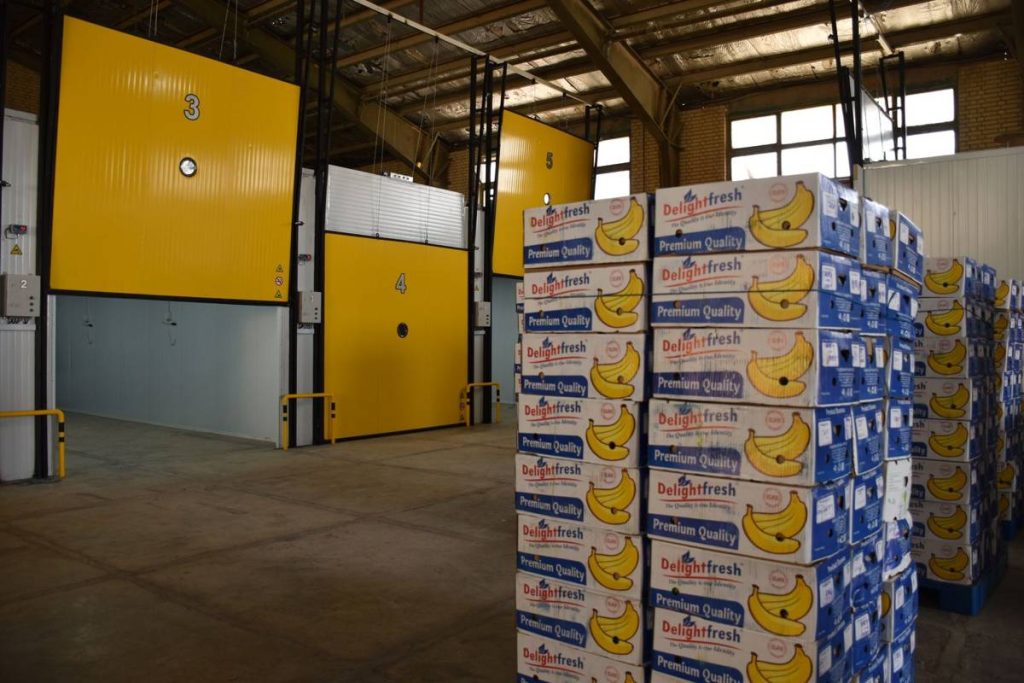
Every morning at 4:30 a.m., a route driver in San Antonio opens three screens before his first stop: the order book, the warehouse app, and a handwritten list he maintains himself. His truck carries enough food for four hundred restaurants. The margin on every case he delivers is thinner than the cardboard it arrives in. If one screen disagrees with the others, the customer feels it by noon, and the driver eats the loss.
That driver is the reason the International Foodservice Distributors Association is holding its 2026 Solutions Conference differently.
Foodservice distribution’s biggest challenge is not competition, not fuel prices, and not even labor. It is the wall between operations, sales, and technology. The companies that tear that wall down will take market share from the ones that keep it standing.
The Stakes Behind the Agenda
The numbers make the stakes plain. Foodservice distribution is a $400 billion industry that moves food to more than one million restaurants and foodservice outlets across the United States every single day. In September, more than 1,500 professionals will gather in San Antonio for the IFDA Solutions Conference, held September 13 through 15 at the Henry B. González Convention Center.
What changed this year is the agenda itself. The conference now spans seven learning tracks: warehouse and innovation; operations and supply chain; talent development; transportation; compliance; technology and data; and, for the first time, sales and marketing. That last track matters more than it looks. The IFDA just merged its SMart Conference, the industry’s dedicated sales and marketing event, into the Solutions Conference. Two communities that historically met in separate rooms now sit in the same one.
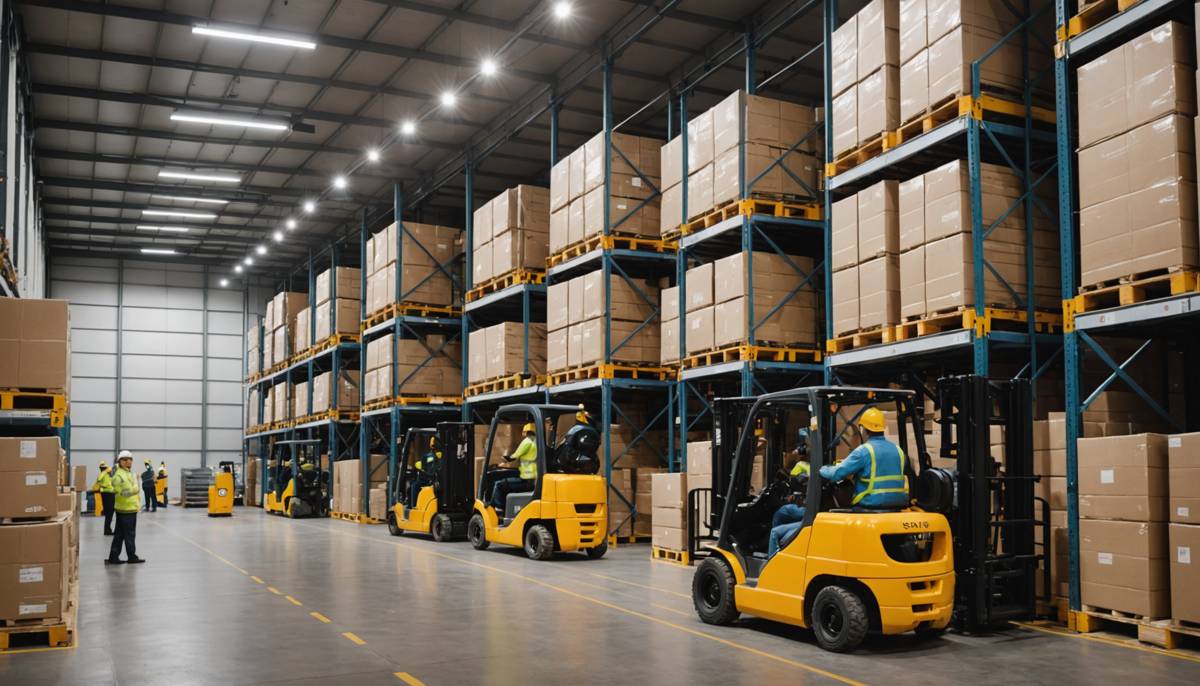
The conference’s own leadership makes the argument without hedging: the most effective strategies are not built in silos. When a warehouse supervisor and a sales vice president hear the same keynote, they stop negotiating about what is possible and start planning around what is real. Sessions this year run from moving products efficiently through warehouses and transportation networks to developing employees, using data more effectively, and navigating compliance requirements. The point is not a wider menu of topics. It is a single conversation instead of seven parallel ones.
The People Behind the Silos
Consider who the agenda is really built around. The warehouse supervisor who plans labor around a forecast no one told sales about. The compliance officer who discovers a new regulation the week before it takes effect. The sales representative whose customers keep asking for menu-level data the operations team has never been asked to share. The driver who reconciles three systems before sunrise because nobody owns the gap between them.
These are not technology problems. They are integration problems wearing technology’s clothes. A distributor can buy the best warehouse system in the industry and still bleed margin if the sales team promises windows the operation cannot confirm.
Excellence Inside a Silo Reads as Indifference
One distributor learned this the hard way. Its operations team optimized case picking so aggressively that order accuracy hit record levels. Its sales team, meanwhile, kept promising customers delivery windows the warehouse could not confirm. Both teams were excellent. The company still lost two major accounts, because excellence inside a silo reads as indifference from the outside.
The turnaround began with a shared weekly meeting, then a shared scorecard, then a shared definition of what a good day looks like. Within two quarters, on-time performance and account retention moved in the same direction for the first time in years. No new software was involved. The software was never the bottleneck. The conversation was.
The pressures pushing distributors toward integration will not fade. Technology adoption keeps accelerating, from warehouse automation to AI-driven forecasting. Workforce shortages mean every person hired must be deployed against the highest-value work, not wasted reconciling systems. Transportation costs and regulatory requirements add weight to every load. And customer expectations keep rising: restaurants want fresher product, tighter windows, and more data, often from distributors that still run on paper and intuition.
The Question Worth Taking Home
The IFDA’s decision to merge its conferences is really an admission, and an invitation. The industry’s big questions are no longer warehouse questions or sales questions. They are company questions. So ask yours: which silo does your business run from? What does your sales team know about your warehouse that your operations team does not? If the answer is nothing, you are leaving margin on the dock. If the answer is everything, you are already rare.
The distributors who show up in San Antonio in September will spend three days closing that gap. The ones who win will keep closing it all year.