The Quiet War for Memory Chips
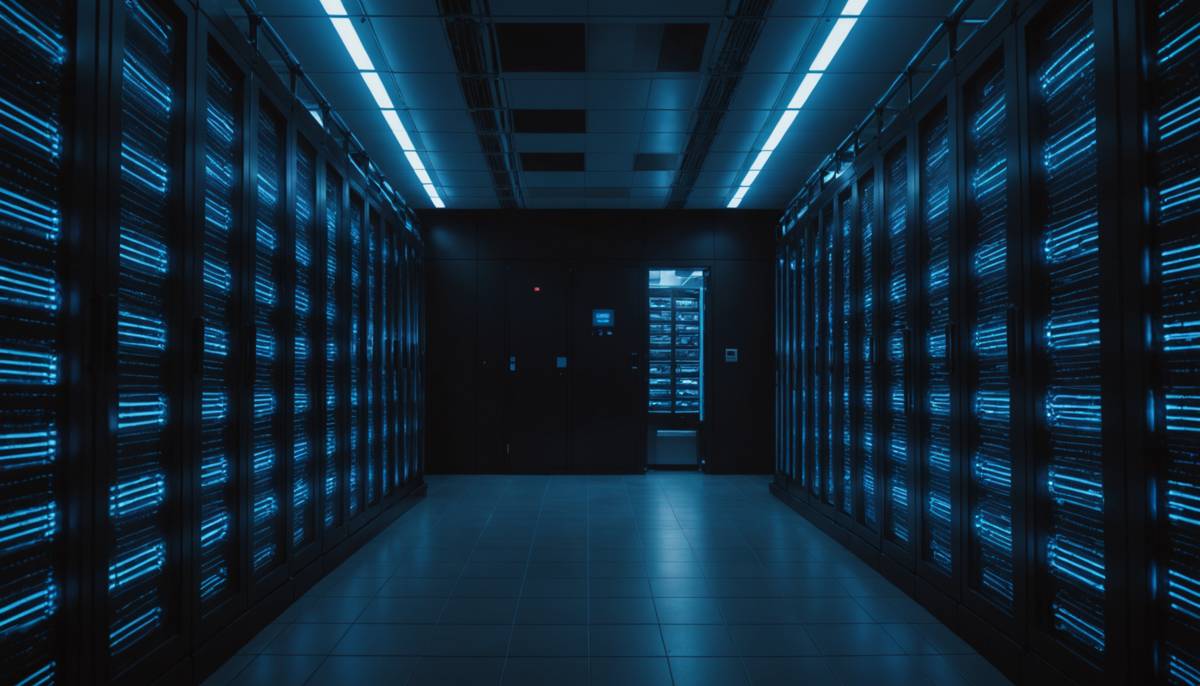
Somewhere in a desert data center campus, a thousand racks of servers are waiting for memory chips that a game console manufacturer also wants. A few hundred kilometers away, a washing machine factory has put its semiconductor buyer on a plane to negotiate supply for next year. Ten years ago these three stories would not have met. Today they are the same story.
The Core Message
The AI boom is quietly cannibalizing the memory chips inside everyday products, and consumer electronics are losing the bidding war.
The Squeeze Nobody Announced
Memory chip prices are at levels the industry has not seen in years. DRAM and NAND, the components that let a device remember anything at all, are being consumed by data centers at a pace the foundries cannot match. Every AI model needs memory to hold its parameters. Every training run needs memory to hold its batches. Every inference server needs memory to hold its context. The demand is not cyclical, the way past chip cycles were. It is structural, and it is permanent.
The consumers of this demand are not in the room when procurement teams plan. Nintendo has publicly described the memory crunch as a growing hurdle for its hardware, even as it collected $300 million in tariff refunds. GE Appliances is deepening its semiconductor sourcing with Texas Instruments to keep its product lines alive. These are not niche players. They are household names with years of supply relationships, and they are now competing with data centers for the same silicon.
The Price of Progress
Consider what the squeeze does to a single product. A console has a bill of materials, and memory is a line on that bill. When memory prices double, the console maker faces a choice: raise the price, shrink the memory, or delay the launch. None of these choices appear in the marketing materials. Nintendo’s $300 million in tariff refunds is a reminder that trade policy and component markets move in different rhythms.
Appliances face the same pressure with less glamour. A refrigerator does not need a marketing launch to generate demand for semiconductors. It needs a controller chip, a memory chip, and a sensor or two, and its maker needs those chips on a schedule measured in production runs, not in AI conference cycles.
The New Procurement Reality
This is what resilience looks like when the constraint is not a port or a policy but a material. Procurement teams are locking in supply earlier, signing longer commitments, and treating memory as a strategic input rather than a commodity to be bought at the last minute. The vocabulary has changed. We no longer ask how much memory costs. We ask whether we can get it at all, and who we have to become to secure it.
The appliance maker deepening its sourcing with a major semiconductor supplier is not a headline, it is a survival move. The console maker counting refunds while complaining about the crunch is not a contradiction, it is a company using every tool available.
Think about the purchasing manager whose job used to be comparing quotes. Today she sits in design reviews, because the memory decision has moved from procurement into product architecture. Choose the wrong chip density and the product ships a quarter late. Choose the wrong supplier and it does not ship at all. Her calendar is booked with supplier visits, capacity negotiations, and allocation reviews. The job title has not changed. The job has.
What It Means for You
For anyone who buys electronics, the practical effect is simple: prices will be higher, promotions will be smaller, and the gap between the product you want and the product available on the shelf will widen. For anyone who makes or sells electronics, the effect is existential. The companies that treat memory like gold, with dedicated sourcing teams, multi-year agreements, and design flexibility, will ship. The companies that treat it like a line item will wait.
The Takeaway
AI does not compete with your business for customers. It competes with your business for components, for capacity, and for the attention of the same suppliers you have relied on for years. The data center boom is not a distant technology story. It is a quiet redistribution of scarce materials, and every company that puts silicon inside a product is now a participant, whether it planned to be or not.
The question is no longer whether AI will change your industry. It is whether your procurement team has noticed that the chips you need are already booked by someone else.