The Ship That Sank in Port
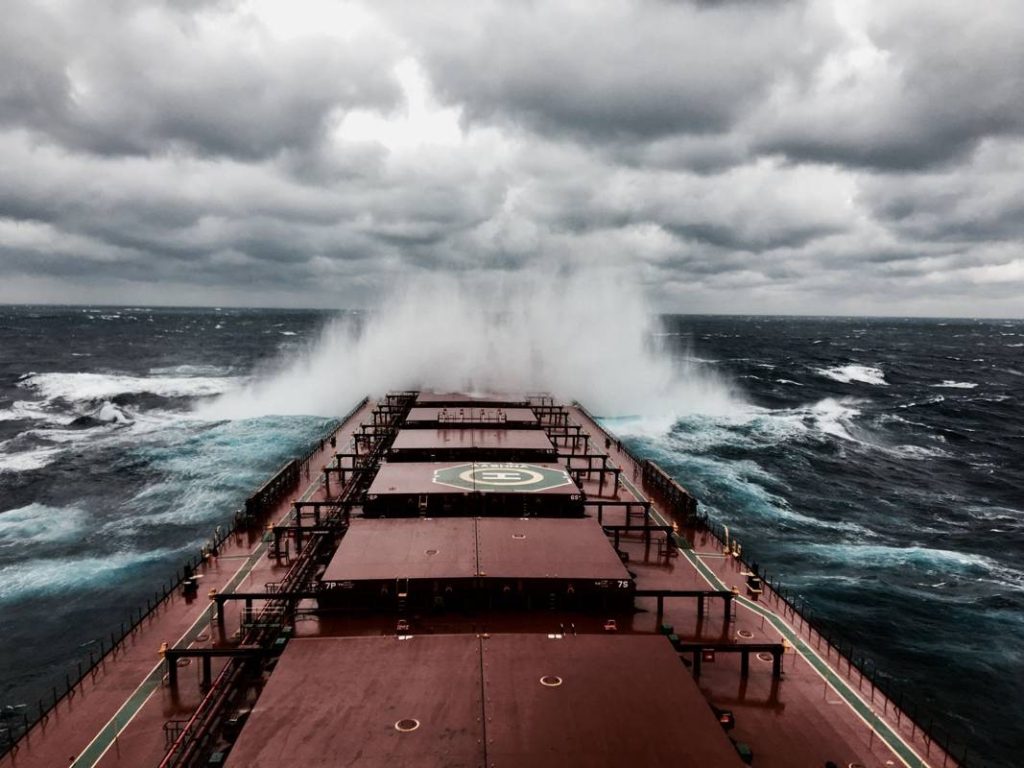
In August 2026, a containership sank while trying to escape a typhoon. It did not go down mid-ocean, in the teeth of the storm. It sank at a Chinese shipyard, in the very place where vessels go to be safe from bad weather. A cargo ship lost inside its own shelter. The image is almost absurd, and for anyone who moves goods for a living it is also a warning.
The Core Message
Weather is no longer a delay we plan around. It is a shock that compounds across every layer of the supply chain, from ocean freight to the produce aisle.
Three Storms, One Backlog
The sinking did not happen in isolation. It closed a stretch in which three tropical storms hit Asia within five weeks, jamming ports and leaving an estimated 2.4 million TEU of cargo waiting for berths. Vessels queued, rotations slipped, and every delayed ship pulled the next one off schedule. A storm used to cost a region a few days of disruption. Now it costs the network weeks, because the network has no slack left to absorb it.
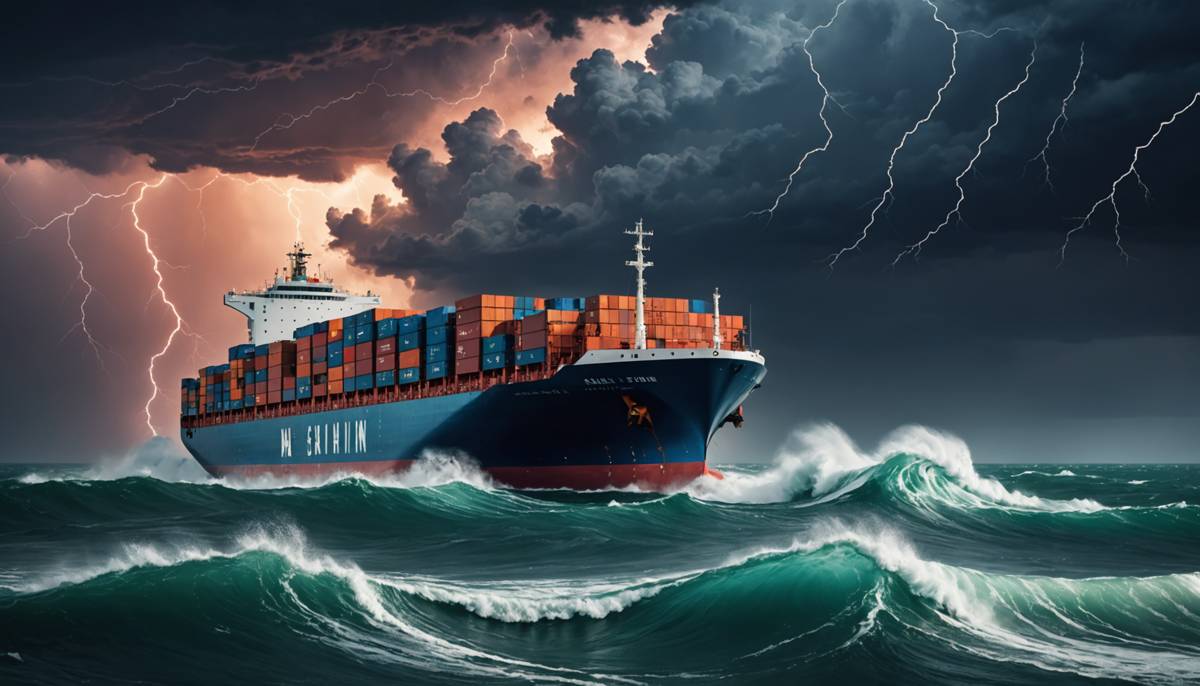
Ports are the shock absorbers of global trade. When they fill up, the damage does not stay at the water’s edge. The backlog pushes into rail, trucking, and warehousing, then into the order books of importers who planned for a seven-week lead time and now face twelve.
From the Water to the Produce Aisle
The same news cycle carried a different kind of disruption. A Salmonella outbreak traced to jalapeños served at two major fast-casual chains sickened consumers across 27 states. Produce supply chains are short and fast, measured in days rather than months, which is exactly why a pathogen can move through them before anyone sees the pattern. One contaminated load, one shared processor, and a national brand spends weeks explaining itself and pulling products from hundreds of locations.
Two different worlds, one shared lesson. Ocean freight and fresh produce sit at opposite ends of the supply chain spectrum, yet both proved fragile in the same news cycle because both depend on conditions that nobody controls. The typhoon and the bacterium are different actors. The vulnerability they exposed is the same.
The Human Cost
Behind the 2.4 million TEU figure is a produce buyer who wakes up to a recall notice at 6 a.m. and spends the morning calling growers, freight forwarders, and store managers to find out which pallets are safe. Behind the price index is a port operator who has rerouted four vessels before lunch and knows the fifth one is coming. Weather events used to be someone else’s problem, a footnote in a risk register. Now they land on specific desks, on specific mornings, with a specific list of shipments to protect.
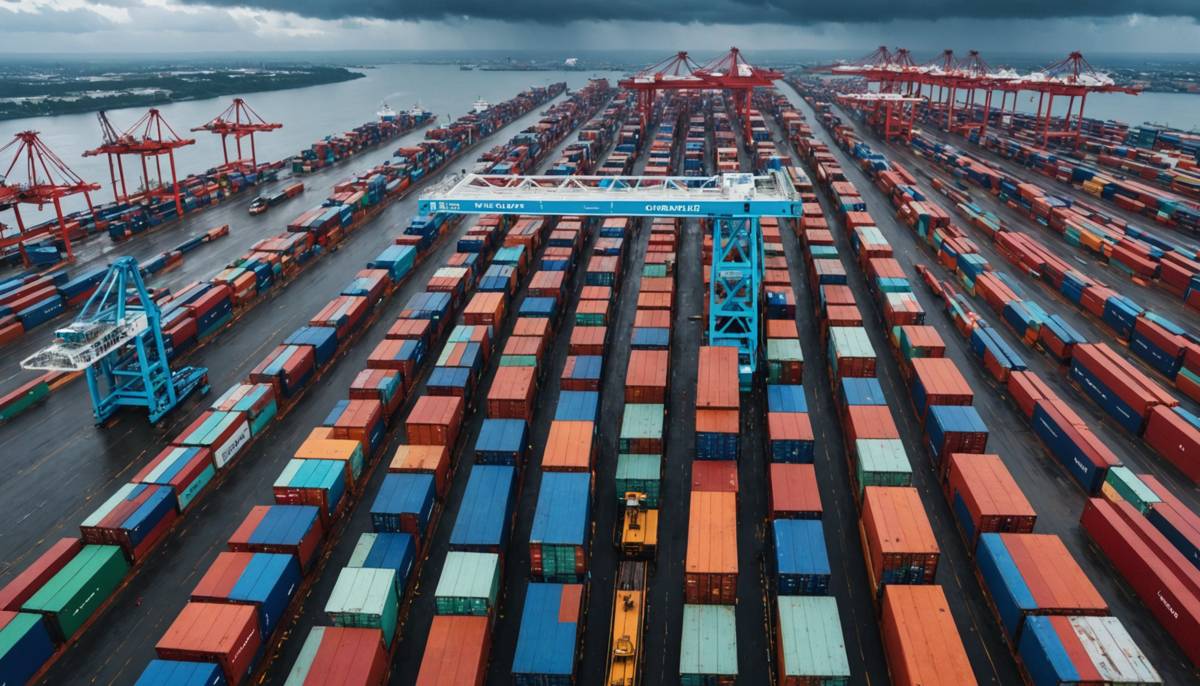
Follow one container and the pattern repeats at every step. It is loaded in June, before the first storm forms. The typhoon forces its port to close, so the vessel waits at anchor for four days. When the berth finally opens, the backlog shifts, and the container misses its planned feeder connection. The consignee, who ordered in good faith, learns that a storm that never touched his country has added three weeks to his lead time. Nobody on his side made a mistake. The weather simply found the weakest link in a chain built without slack.
What We Should Do Differently
The instinct is to treat weather as bad luck and move on. The better instinct is to treat it as a structural risk, the same way we treat financial exposure. That means asking harder questions before the storm season, not after.
Where is our single point of failure? Which ports, which suppliers, which crops, which lanes carry too much of our volume? How much buffer do we actually hold, and where? If three storms can stack 2.4 million TEU into a backlog, then a two-week safety stock at a single warehouse is not a plan, it is a hope.
Companies that treat climate as an operating variable, not an annual weather report, will find the gap between them and their competitors widening with every season. They build redundancy into sourcing, keep flexible routing options alive, and rehearse the recall before the pathogen finds them.
The Bottom Line
Nature has always interrupted supply chains. What changed is that the interruptions now compound, because the system we built has no spare capacity and no patience. A typhoon at a shipyard, a pepper with a pathogen, a port that cannot empty itself. Three stories from one week, one question behind all of them: if the weather turns on us, do we have a plan, or just an explanation?