
Starbucks scrapped its AI inventory tool after nine months. Nine months. The ordering system that tool was supposed to sharpen had taken years to roll out across thousands of stores, and the most app-loyal retailer on the planet walked away from the algorithm in under a year. The company did not abandon the goal. It turned instead to a relentlessly simple target: 24-hour inventory replenishment.
Here is the collision. In those same weeks, air freight was celebrating one of its strongest markets since the pandemic, powered almost entirely by AI data centre shipments, while dock and yard modernisation surveys showed near-universal interest and almost no implementation. The same technology, the same industry, opposite outcomes.
The uncomfortable truth: AI in the supply chain rarely fails because the model is wrong. It fails because the promise outruns the process underneath it.
Start with the coffee cup. Starbucks had the ingredients most companies dream about: 40,000 stores, endless transaction data, and customers who order through an app. The AI inventory tool was meant to turn that data into automatic replenishment decisions. Nine months later it was gone. The lesson was not that AI cannot forecast demand. It was that a fully automated store network was a bigger promise than the daily reality of store managers, delivery windows, and perishables could support. The simpler 24-hour rhythm survived. The algorithm did not.
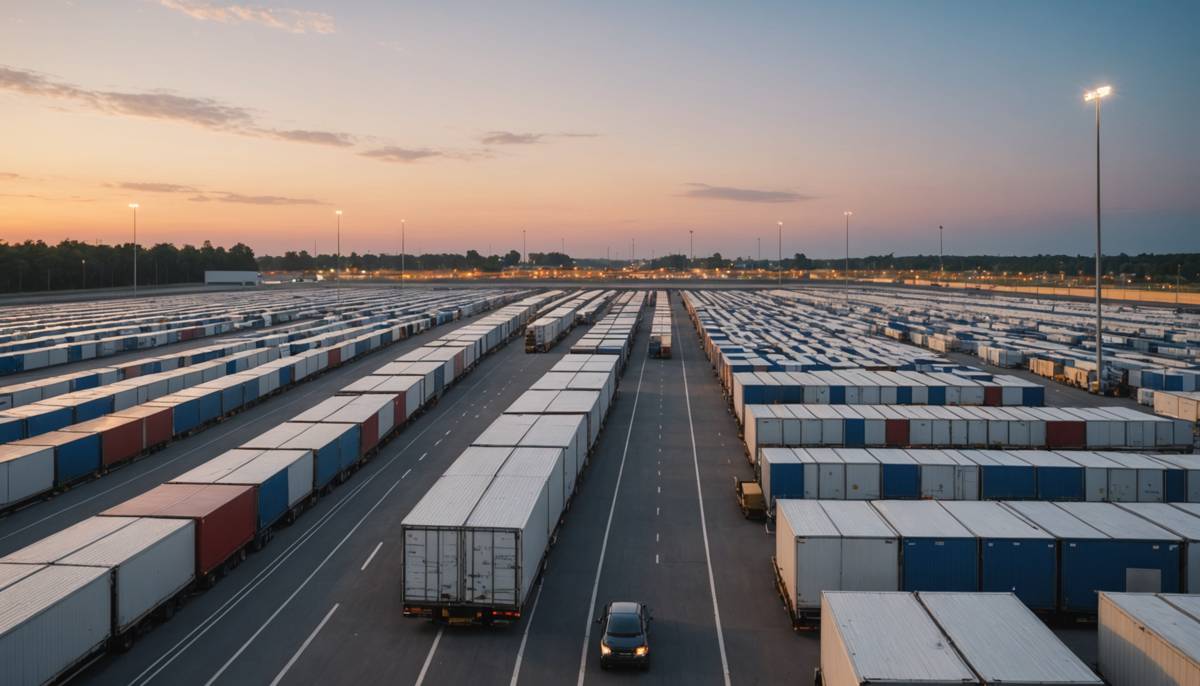
The same pattern is playing out where trailers meet warehouses. A 2026 industry survey found that 72.7 percent of companies are exploring dock and yard automation over the next one to two years, but only 12.9 percent have an implementation plan. The roadblocks are not technical. Budget constraints top the list at 43.6 percent, lengthy decision processes and vendor mismatch follow at 36.2 percent each, and internal alignment trails at 26.2 percent. Companies know the yard is broken. They cannot agree on what to automate first, who pays for it, and which systems have to connect. Interest is everywhere; the plan is almost nowhere.
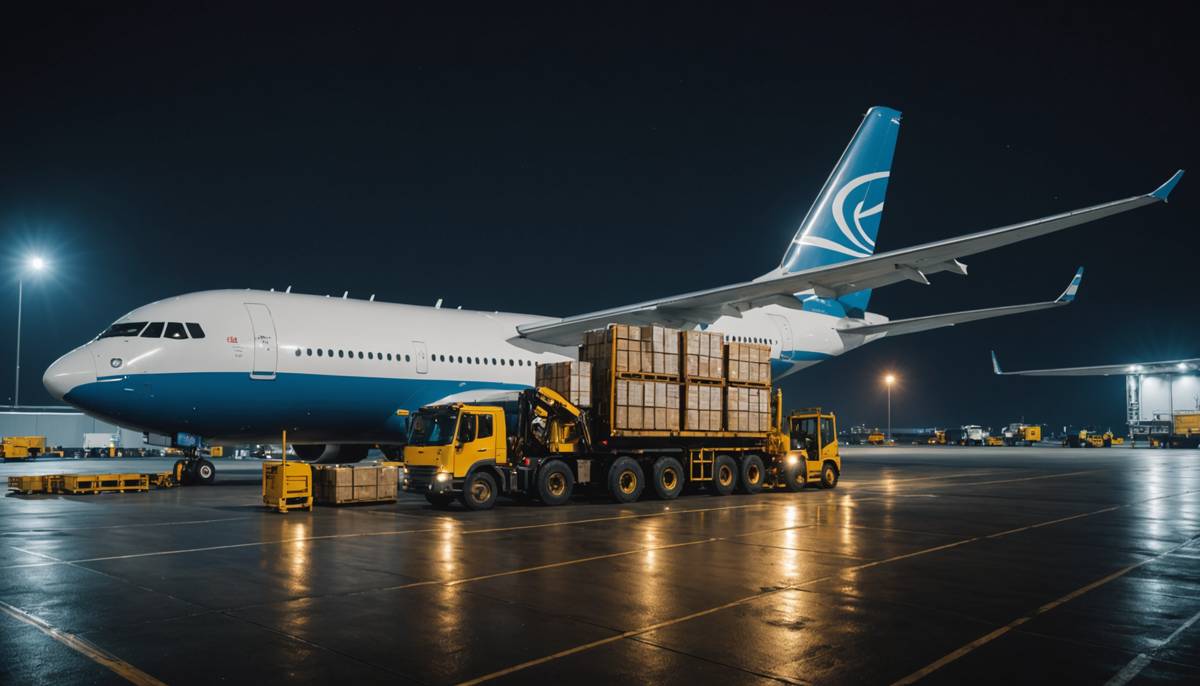
Meanwhile, the loudest AI story in freight is not a failed tool but a boom that may be borrowed. Data centre related cargo, servers, memory, cooling and fibre optics, now accounts for about 17 percent of Asia-US airfreight, up from 6 percent before 2025, and it touched 21 percent in the spring. Monthly volumes have climbed from roughly 14,000 to 60,000 tonnes, and total Asia-US volumes now sit above the pandemic peak of 2022. Around 400 billion dollars went into AI facilities last year, with investment expected to grow another 75 percent. The analyst who tracks these flows is blunt: he calls it a bubble, and warns that much of the expected long-term investment may never materialise. The party never ends, until it does. When it ends, the 60,000 tonnes will not politely stay at 60,000.
The hiring data tells the same story from the other side. Supply chain hiring is shrinking, yet companies are not simply replacing people with AI. They are changing what people do: fewer forecasters chasing the perfect model, more data architects who build the pipelines that make any model work. The jobs that survive AI are not the jobs closest to the hype. They are the jobs closest to the data.
Talk to a yard supervisor at a mid-size distribution centre and you hear the collision in one conversation. He has watched three AI vendor demos in two years. Every one looked flawless on screen. None survived a Tuesday afternoon with two carrier no-shows, a door assigned twice, and a shift change. He is not against AI. He is against being the person who has to explain to the general manager why the fourth demo did not survive either.
The companies that get AI to work are doing something almost boring. A warehouse operator drowning in trailer congestion did not buy a platform. It took one algorithm and one decision: which dock door gets which trailer, and when. Ninety days of measurement on a single metric, truck turnaround time. The algorithm did not need to be brilliant. It needed to be narrow. Turnaround dropped, the yard team began to trust the recommendations, and only then did the operator expand to appointment scheduling and labour planning. Narrow first. Trust second. Scale third. That is the order.
The dividing line between AI success and AI disappointment is not budget, model quality, or vendor choice. It is scope. Starbucks, the yard operators stuck in exploration mode, and the air cargo market riding a bubble all share one trait: the size of the promise outran the process underneath it. Next time someone pitches you an AI project, ask one question: what is the smallest decision we can automate first, and how will we measure it in 90 days? The companies that can answer are the ones that will still be using AI nine months from now.