A drone the size of a breadbox lifted off from a Florida parking lot, carrying a bag of groceries over a suburban neighborhood. The video made the rounds on social media. At the same moment, in a courtroom far from the cameras, lawyers were arguing about a case that began with bread delivery trucks. The drone video will be forgotten by next week. The court case will quietly decide how much your next delivery costs, who delivers it, and whether the person behind the wheel is an employee or a contractor.
The last mile is being rewritten by law and technology at the same time. The law is moving faster than the drones.
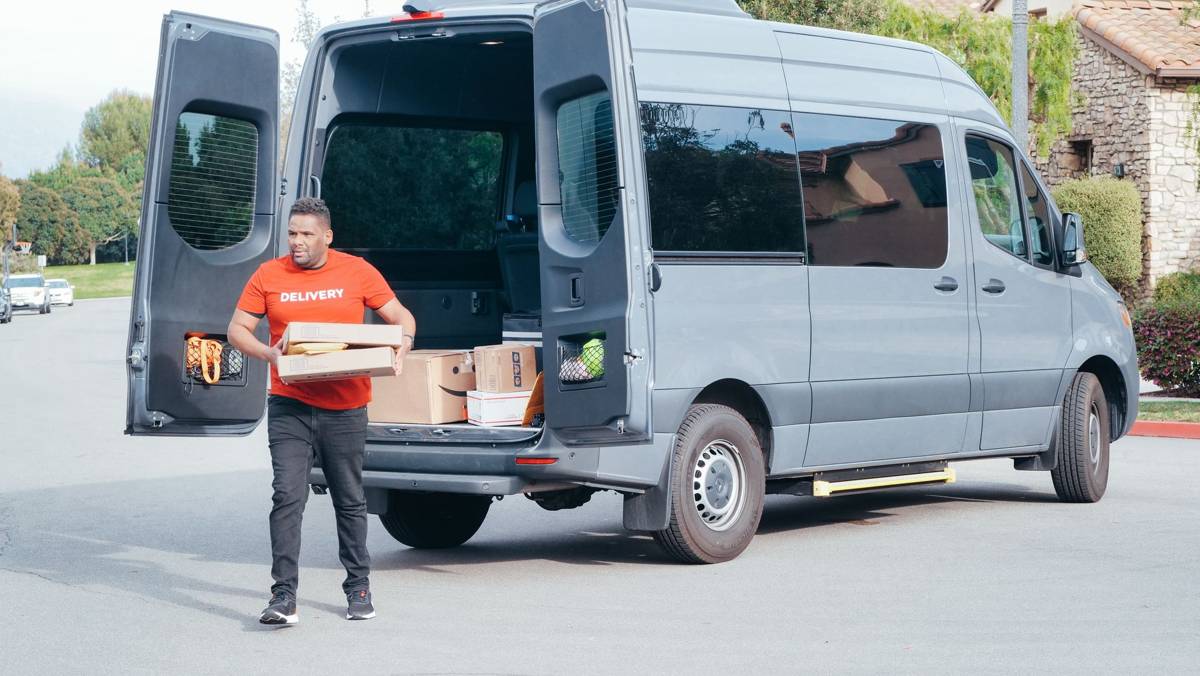
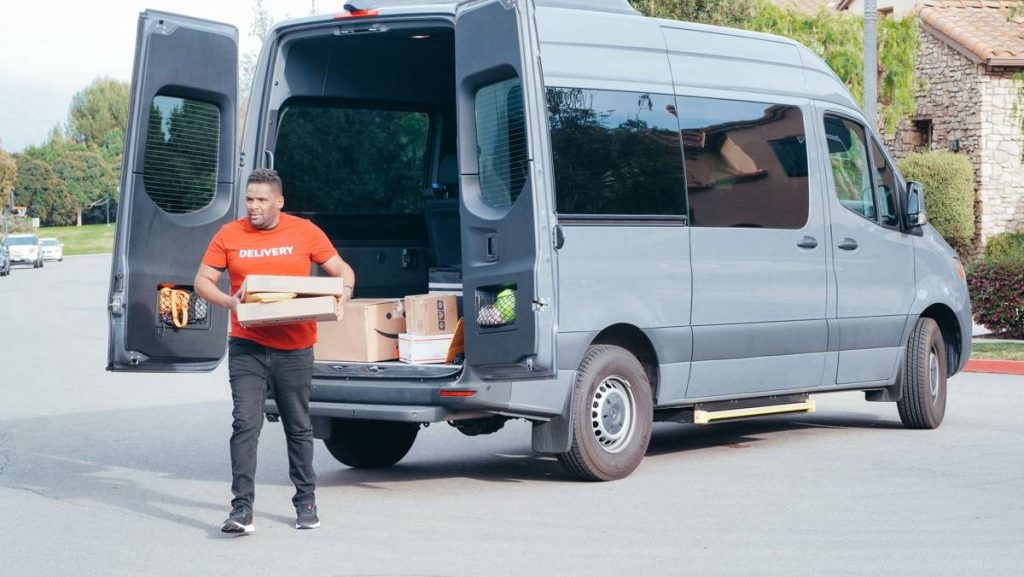
Start with the bakery. Flowers Foods, one of America’s largest baking companies and the maker of Wonder Bread and Nature’s Own, built its distribution network on route drivers. The drivers bought their own trucks, set their own hours, and signed contracts that called them independent contractors. Four decades ago, the US Department of Labor, then led by Secretary William Brock, challenged that arrangement. The case, Flowers Foods v. Brock, became a landmark. The court ruled that a driver who depends on the company for the product, the brand, the route, and the price is an employee under the Fair Labor Standards Act, no matter what the contract says. Owning your schedule does not make you a business.
That ruling sat quietly for years. Then the gig economy arrived, and the last mile was rebuilt on the same model that Flowers Foods had lost on: drivers as independent contractors. The economics are seductive. A contractor costs roughly 30 percent less than an employee, with no benefits, no overtime, no workers’ compensation. But the legal logic that failed in the 1980s came back with force. Federal rules on worker classification flipped twice in two years. In 2025, the Supreme Court settled a long-running dispute over the evidence standard in wage-protection cases, giving both sides new ammunition in the classification wars. Every delivery app, every parcel carrier, and every regional courier now runs a legal model that a single ruling could upend.
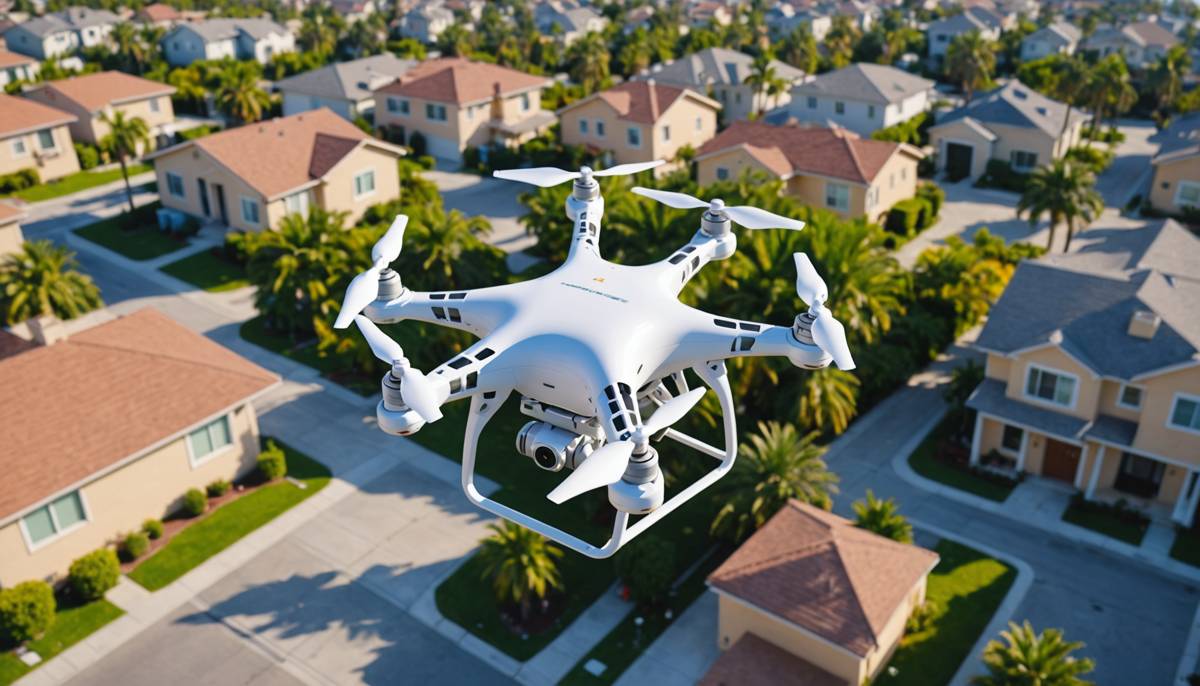
Meanwhile, the technology side accelerated. Walmart and Wing, the drone company owned by Alphabet, expanded drone delivery to Florida, promising packages under five pounds delivered to suburban backyards in about 30 minutes. Wing has already completed hundreds of thousands of deliveries worldwide, and its aircraft carry roughly the same load a courier once balanced on a bicycle. The economics are still narrow, one package at a time, but the direction is unmistakable: the industry is trying to engineer the human out of the last mile entirely.
And then there is the quieter rewrite. Farm Rio, the Brazilian fashion brand known for its bold tropical prints, is digitizing its supply chain to improve traceability, joining a wave of brands building digital records of where every product comes from and who handled it. New regulations are pushing them: digital product passports, proof-of-origin rules, and deforestation requirements. The last mile is no longer only about getting a box to a door. It is about proving what is inside the box, all the way back to the source.

Behind these two rewrites stands one person. A courier for a delivery app works 60 hours a week in her own car, pays her own fuel and maintenance, and has no paid leave. Her contract calls her a partner, a micro-entrepreneur. A court applying the economic reality test would probably call her an employee, entitled to minimum wage and overtime. The gap between the contract and the reality is where the entire last-mile economy now sits, and it is a gap no routing algorithm can close.
The arc is almost too neat. In the 1980s, a bread driver felt like his own boss, then discovered that a federal court saw him differently, as someone whose livelihood depended entirely on the bakery. Today, a gig courier taps accept on her phone, feels like her own boss, and faces the same discovery. The technology changed from bread trucks to smartphones to drones. The legal question did not change at all: who controls the work, and who bears the risk?
So before your company budgets another million for drones, robots, or routing software, ask a different question first: who legally performs your last mile, and what would a court say about them? The answer shapes your costs, your liability, and your brand. No algorithm can optimize its way around it.