
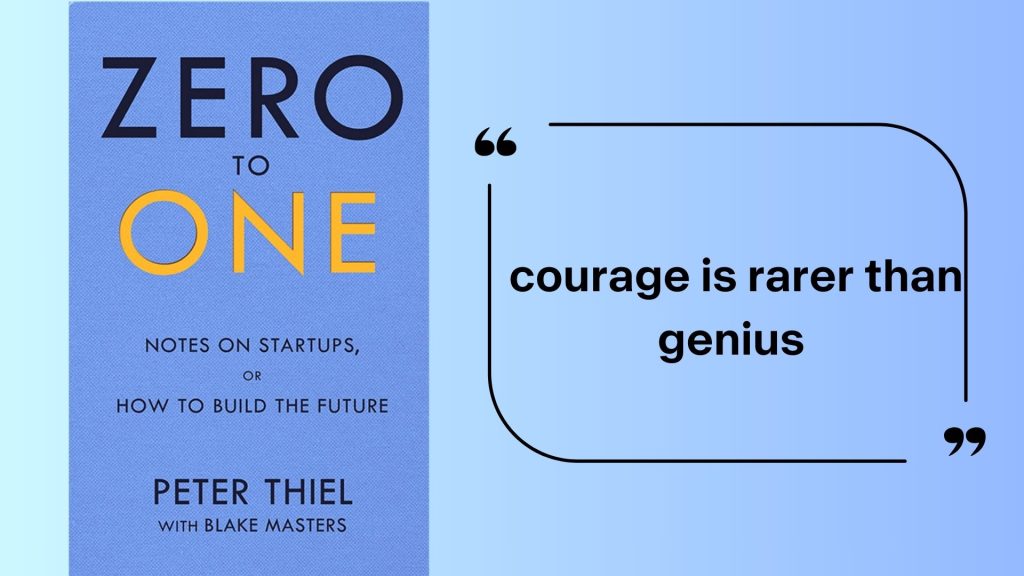
Peter Thiel‘s observation in “Zero to One” that courage is rarer than genius strikes at the heart of what holds back supply chain transformation. We’ve all sat in conference rooms filled with smart people who can articulate exactly what needs to change. The whiteboards fill with brilliant ideas about the projects such as system integrations, AI-powered forecasting and circular economy models. Yet months later, those same ideas remain as whiteboard sketches while competitors pull ahead.
The supply chain industry doesn’t lack intelligence. We have data scientists who can build predictive models, engineers who understand complex systems and strategists who can map out transformation roadmaps. What we lack is the willingness to act on those insights when the path forward feels uncertain.
Consider the shift to nearshoring. For years, supply chain professionals have understood the risks of overconcentration in distant manufacturing hubs. The analysis was clear: geopolitical tensions, transportation vulnerabilities, and rising labor costs all pointed toward the need for geographic diversification. The thinking wasn’t the problem. The problem was that making the change required courage. It meant confronting sunk costs in existing facilities, navigating complex supplier relationships, and defending higher short-term expenses to finance teams focused on quarterly results.
Those who acted early on this insight, despite the discomfort, now enjoy competitive advantages that late movers are scrambling to replicate. The difference wasn’t intelligence; it was the courage to act while others hesitated.
This courage deficit manifests in several ways throughout supply chain management. There’s the courage to challenge established vendor relationships that no longer serve the organization’s needs. Everyone knows which suppliers underperform, yet those relationships persist because confronting them feels risky. What if the transition fails? What if we damage a longstanding business connection? The brilliant move is obvious but executing it requires nerve.
Then there’s the courage to invest in visibility technology when ROI feels uncertain. Supply chain leaders understand that end-to-end transparency creates resilience. They know that real-time data prevents disruptions and enables faster responses. Yet many organizations continue operating with fragmented systems and manual processes because the investment in modern technology platforms requires defending a business case built on preventing problems that haven’t happened yet. It takes courage to invest in what amounts to insurance against uncertainty.
The sustainability transformation presents perhaps the clearest example of this courage gap. The circular economy isn’t a revolutionary concept anymore. We understand how to design products for disassembly, create reverse logistics networks, and build business models around product-as-a-service. The frameworks exist. The technology exists. What doesn’t exist in sufficient quantity is the willingness to disrupt profitable linear models for the sake of long-term resilience and responsibility.
Some supply chain leaders have shown this courage. They’ve committed to carbon neutrality targets that require fundamental operational changes. They’ve invested in renewable energy even when fossil fuels were cheaper. They’ve redesigned packaging systems and transportation networks around sustainability principles, absorbing short-term costs for long-term positioning. These weren’t acts of genius; they were acts of courage based on clear-eyed analysis of where the industry must go.
The automation debate reveals similar dynamics. The technical case for warehouse automation, robotic process automation, and autonomous vehicles is well established. Yet implementation lags behind capability because automation requires courage on multiple fronts: courage to retrain or transition workers, courage to make large capital commitments, and courage to trust machines with decisions humans have always made.
What makes courage so scarce in supply chain management? The field naturally attracts risk-averse thinking. Supply chain professionals are trained to prevent problems, minimize variability, and ensure continuity. This orientation serves organizations well in many contexts but can become paralyzing when transformation demands bold action. The very skills that make someone excellent at maintaining stable operations can make them hesitant to disrupt those operations, even when disruption is necessary.
I believe that the other element of the lack of courage is that the most of the companies are short focused and highly sensitive to the stock prices. The quarterly earnings cycle has become supply chain’s courage killer. When leadership teams face constant pressure to meet short-term financial targets and maintain stock prices, even the most compelling long-term investments become vulnerable to cuts and delays. Supply chain executives know that initiatives like network redesign, sustainability programs, or digital transformation often require multiple quarters of investment before delivering returns, but defending these timelines to boards and investors fixated on next quarter’s margins demands a level of institutional courage that many organizations simply cannot gather. This short-term orientation creates a perverse dynamic where companies repeatedly choose incremental cost cuts over structural improvements, gradually eroding their competitive position while maintaining the appearance of fiscal discipline.
Organizations compound this challenge by punishing failure more severely than they reward calculated risk-taking. A supply chain leader who maintains the status quo faces little career risk even if the organization gradually loses competitiveness. A leader who attempts transformation and encounters setbacks may find their judgment questioned, their authority undermined, and their career trajectory damaged. These incentive structures make courage professionally dangerous.
Developing courage in supply chain leadership requires both individual and organizational work. Individuals must cultivate conviction in their analysis and willingness to advocate for necessary changes even when consensus is elusive. Organizations must create environments where thoughtful risk-taking is rewarded and where failures in pursuit of innovation are treated as learning opportunities rather than career-ending mistakes.
The future belongs to supply chain organizations that can close the courage gap. The brilliant ideas already exist. The competitive advantage will go to those with the nerve to implement them while others are still discussing, analyzing, and hesitating. As Thiel recognized, genius is more common than we think. What’s truly rare is the courage to act on it.