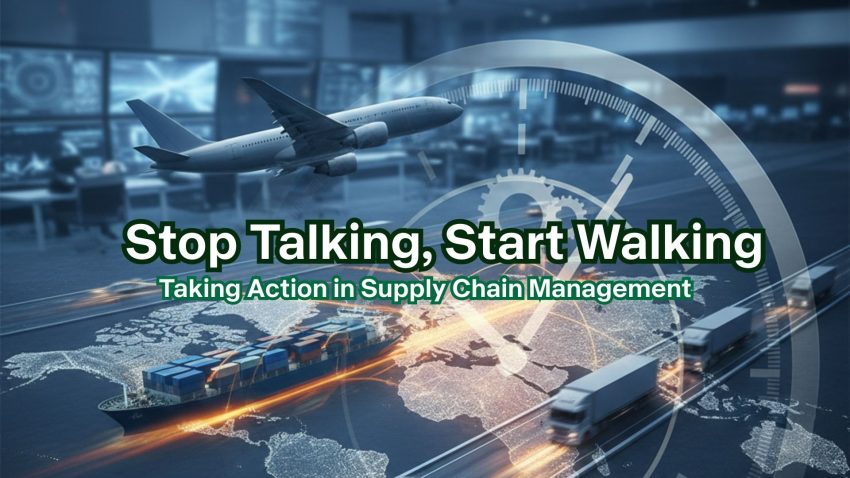
Stop talking. Start walking. These four powerful words from L. M. Heroux capture a truth that resonates deeply within the world of supply chain management. In an industry where planning, strategizing, and analyzing consume countless hours, the real differentiator between success and stagnation is action.
The Analysis Paralysis Epidemic
Supply chain professionals face an overwhelming landscape of decisions daily. Should we diversify our supplier base? Is it time to implement that new warehouse management system? Would nearshoring reduce our risk exposure? These questions are critical, yet too many organizations find themselves trapped in endless cycles of meetings, reports, and deliberations without ever moving forward.
The problem isn’t lack of information. Modern supply chains generate more data than ever before. Analytics platforms provide unprecedented visibility into operations. Consultants offer detailed recommendations. Yet despite this wealth of insights, many companies remain stuck, hesitating at the threshold of transformation.
When Planning Becomes Procrastination
There’s comfort in planning. Creating detailed project timelines, conducting feasibility studies, and building business cases all feel productive. They are productive, to a point. However, when planning becomes a substitute for doing rather than a precursor to it, organizations lose their competitive edge.

Consider the company that spent eighteen months evaluating automation solutions for their distribution center. By the time they made a decision, their competitors had already implemented systems, optimized operations, and moved on to the next innovation. The perfect plan executed too late delivers less value than a good plan implemented today.
The Cost of Inaction in Supply Chains
Supply chain disruptions don’t wait for consensus. Market conditions shift rapidly. Customer expectations evolve continuously. Competitors innovate relentlessly. Every day spent deliberating is a day competitors spend advancing.
The COVID pandemic illustrated this reality starkly. Companies that quickly pivoted their sourcing strategies, reconfigured production lines, or adopted new distribution models survived and thrived. Those who waited for perfect information or complete certainty often found themselves scrambling to catch up months later.
Inaction carries hidden costs beyond missed opportunities. Employee morale suffers when teams see their recommendations languish without implementation. Supplier relationships weaken when promised improvements never materialize. Customer satisfaction erodes when delivery performance fails to improve despite obvious solutions.
Building an Action Oriented Culture
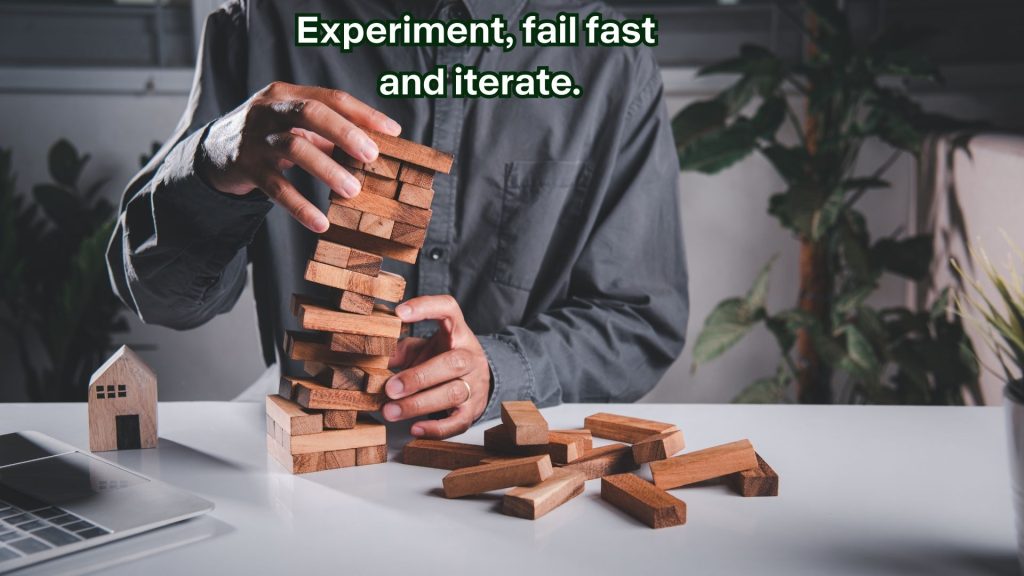
Transforming a supply chain organization from planning focused to action oriented requires deliberate cultural change. Leadership must model decisiveness and celebrate progress over perfection. Teams need permission to experiment, fail fast, and iterate.
Start with small wins. Rather than launching comprehensive transformation programs, identify discrete improvements that can be implemented quickly. Maybe it’s streamlining a single procurement process, optimizing one warehouse layout, or testing a new carrier for a specific lane. These victories build momentum and confidence.
Create accountability mechanisms that emphasize execution. Instead of measuring success by plans created or analyses completed, track implementations launched and results achieved. Reward teams for moving projects from concept to reality, even when outcomes require adjustment.
The Power of Iterative Implementation
Walking doesn’t mean abandoning thoughtfulness. It means embracing an iterative approach where action and learning happen simultaneously. Launch a pilot program rather than waiting for a complete rollout plan. Test a new technology in one facility before deploying across the network. Implement changes in phases, learning and adjusting as you progress.
This approach actually reduces risk compared to lengthy planning cycles. Small scale implementations reveal unforeseen challenges in controlled environments. Real world testing provides insights that no amount of theoretical analysis can match. Adjustments happen continuously rather than waiting for a major course correction years into a project.
Breaking Through Resistance
Change always encounters resistance. Some stakeholders will advocate for more analysis, additional approvals, or delayed timelines. While genuine concerns deserve consideration, recognize when resistance reflects fear of change rather than legitimate obstacles.
Address concerns directly but set clear timelines for decisions. Gather input without allowing discussions to loop endlessly. Distinguish between risks that require mitigation and uncertainties that can only be resolved through experience.
Remember that perfect information never arrives. Waiting for complete certainty means never moving. Successful supply chain leaders develop comfort with calculated risks and educated decisions based on sufficient rather than exhaustive information.
Taking Your First Step
If this message resonates, identify one stalled initiative in your organization today. What decision has lingered in discussion for weeks or months? What improvement has everyone agreed upon but nobody has launched? Choose one project where the analysis phase has run its course and the time for implementation has arrived.

Set a deadline, assign clear ownership, allocate necessary resources, and begin. Monitor progress, adjust as needed, and share learnings with your organization. Demonstrate that walking, not talking, drives supply chain excellence.
The most sophisticated strategy means nothing without execution. The most innovative technology delivers no value until implemented. The most insightful analysis changes nothing until someone acts on it.
Stop talking. Start walking. Your supply chain’s future depends on the steps you take today.