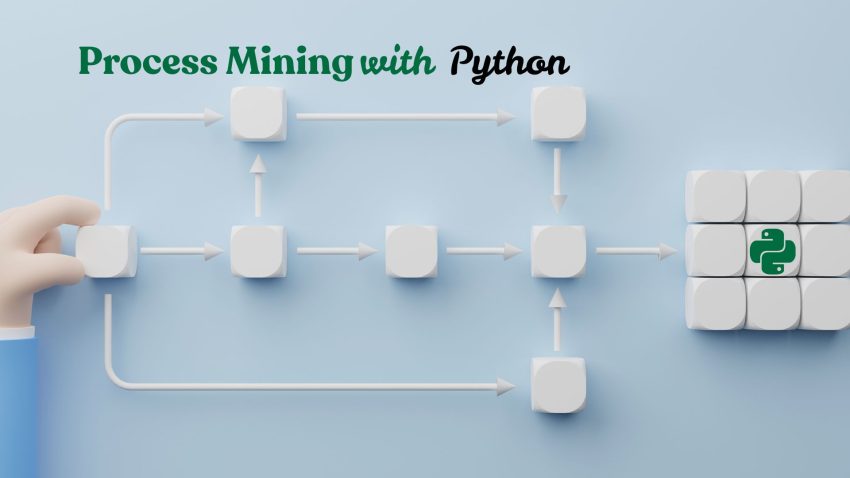
Last year, I was sitting in yet another vendor demo for a process mining platform. The price tag? 6-figure$ for the first year, plus implementation costs. The sales rep was enthusiastic about their revolutionary(!) capabilities, but I couldn’t help thinking: “I could build something more tailored for a fraction of this cost.“ That’s when it…
Beyond the Desk: Why Supply Chain Leaders Must Embrace Field-Based Leadership?
“A desk is a dangerous place from which to view the world,” wrote master storyteller John le Carré, and nowhere does this observation ring truer than in modern supply chain management. In an era where global supply networks span continents and encompass thousands of touchpoints, the supply chain executive who remains tethered to their office…
The Supply Chain Thucydides Trap: When Market Disruption Leads to Corporate Warfare
In ancient Greece, historian Thucydides observed that “the growth of the power of Athens, and the alarm which this inspired in Sparta, made war inevitable.” This phenomenon, now known as the Thucydides Trap, describes the dangerous dynamic when a rising power threatens to displace an established hegemon. While Harvard’s Thucydides Trap Project found that 12…
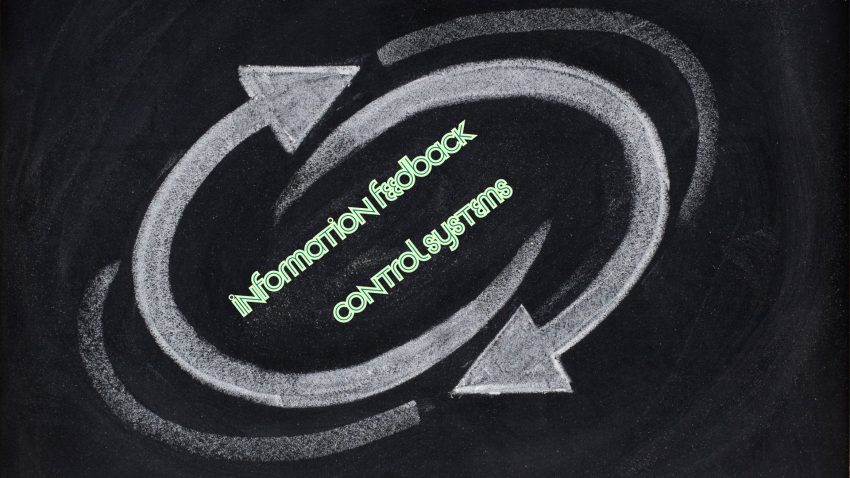
The Role of Information-Feedback Control Systems in Supply Chain Management
Introduction Information-feedback control systems are the backbone of all life and human activity, from biological evolution to advanced technological systems. As Jay W. Forrester, the pioneer of system dynamics, once said: “Everything we do as individuals, as an industry, or as a society is done in the context of an information-feedback system.” This principle is…
Why Machines Can’t Foster Trust but Can Sustain It: Agentic AI and Supply Chain Collaboration
In an era where artificial intelligence (AI) permeates every link of the supply chain, it’s tempting to think machines can do it all, even foster trust and collaboration. But here’s the truth: machines cannot create trust or initiate genuine collaboration. These are inherently human qualities, born out of relationships, empathy, and shared experiences. However, what…
The Evolution of EDI: 60 Years of Transforming Global Supply Chains (1965–2025)
Introduction Electronic Data Interchange (EDI) has been the backbone of B2B communications for 60 years, revolutionizing how businesses exchange documents like purchase orders, invoices, and shipping notices. Since the first EDI message was sent in 1965 via telex by the Holland-America Line, this technology has grown from a niche innovation to a mandatory requirement for large retailers and global…
Dunbar Number, Can it Dump Supply Chain Management?
In the 1990s, British anthropologist Robin Dunbar proposed a fascinating idea: humans have a cognitive limit to the number of meaningful relationships they can maintain somewhere between 100 and 250, with 150 being the most commonly cited figure. This concept, known as the Dunbar number, suggests that beyond this threshold, our ability to manage stable social connections breaks down. But what…
The Sinatra Test in Supply Chain Management: Proving You Can Make It Anywhere
Frank Sinatra’s legendary song New York, New York isn’t just a song about ambition—it’s a philosophy. The line “If I can make it there, I’ll make it anywhere” captures the idea that conquering the toughest challenge in your field proves you can handle anything. Chip and Dan Heath, in their book Made to Stick, call this the “Sinatra Test”—a single, high-stakes…
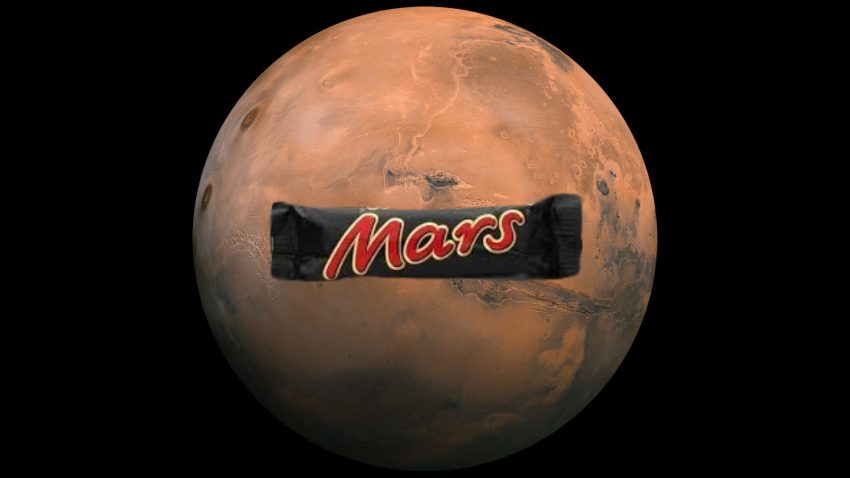
When Mars Bars Met Mars: The Unlikely Connection Between a Candy Bar and a Planet
In the world of marketing, serendipity often plays a role as significant as strategy. Sometimes, the most unexpected events can lead to surprising outcomes, and the story of Mars bars and NASA’s Pathfinder mission is a perfect example of this phenomenon. Back in mid-1997, the candy company Mars noticed an unusual and unexpected uptick in…
The Burnt Toast Theory in Supply Chain Management: Turning Setbacks into Strategic Advantages
Have you ever had one of those days where everything seems to go wrong in your supply chain? A shipment is delayed, a supplier misses a deadline, or a machine breaks down. It feels like the universe is conspiring against your operations. But what if these small setbacks were actually saving you from bigger, unseen…