
As supply chain professionals, we often fall into a trap: we know our world is fascinating, but we struggle to make others see it. We talk about lead times, inventory turns, and logistics networks while our audience’s eyes glaze over. The truth is, supply chain isn’t boring but our storytelling is.
After two decades leading supply chain transformations, I’ve learned that hooking your audience isn’t about dumbing down complexity. It’s about connecting the dots between what we do and what people actually care about.
Start With the “So What?” Moment
The biggest mistake supply chain leaders make is leading with process. We jump straight into explaining our methodology, our systems, our metrics. But here’s the reality: nobody cares about your S&OP process until they understand why it matters to them.

Instead, start with impact. When presenting to executives, don’t begin with “Our new warehouse management system…” Begin with “We’re going to reduce customer delivery complaints by forty percent while cutting costs by two million dollars.” When speaking to operations teams, don’t start with the new process, instead start with how their daily frustrations will disappear.
The supply chain touches everything. A smartphone contains components from over forty countries. Your morning coffee traveled thousands of miles through a choreographed dance of farmers, exporters, shippers, and retailers. We orchestrate miracles in daily basis. We just need to frame them as such to bring into the attention of our audience.
Speak Human, Not Jargon
Supply chain has become an alphabet soup of acronyms: ERP, WMS, TMS, MRP, S&OP, SKU, EOQ. We’ve built a language that excludes outsiders. This isn’t sophistication. Unfortunately it’s a barrier.
When I brief the board, I translate everything. “Days of inventory outstanding” becomes “how long we can operate if suppliers stop delivering tomorrow.” “Bullwhip effect” becomes “how small changes in customer demand create chaos upstream in our supply chain.” This isn’t oversimplification, it’s respect for your audience’s time and background.
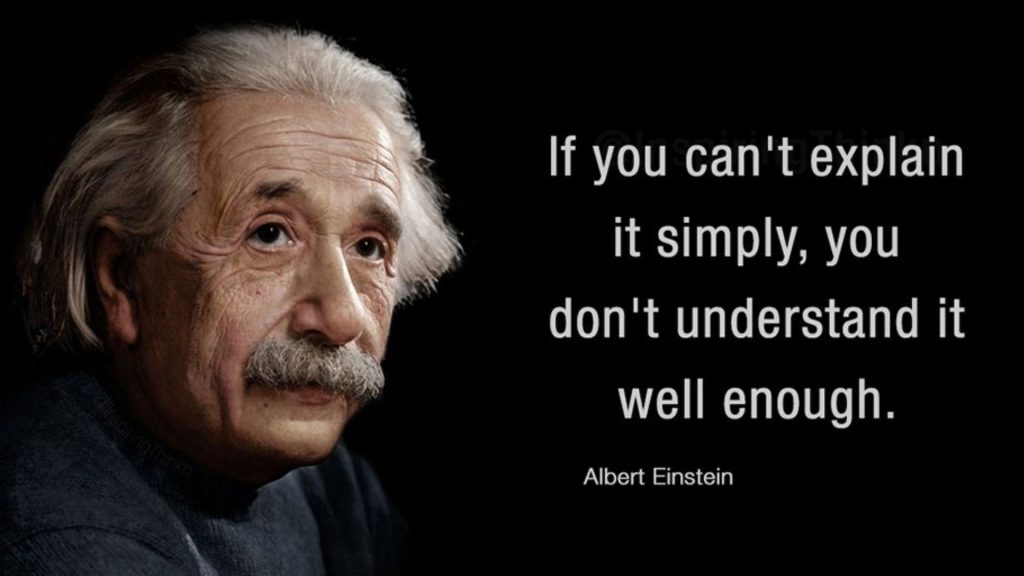
The Einstein principle applies here perfectly: if you truly understand inventory optimization, you can explain it without mentioning a single formula. You can paint a picture of too much cash tied up in slow-moving products while fast-movers frustrate customers by going out of stock. That’s the essence and it’s accessible to anyone.
Use Stories, Not Spreadsheets
Data doesn’t persuade people but stories do. Numbers validate stories. However they rarely hook audiences on their own.
I once needed to convince leadership to invest three million dollars in supply chain visibility technology. I didn’t lead with ROI calculations. Instead, I told them about the customer who cancelled a seven-figure contract because we couldn’t tell them where their shipment was for seventy-two hours. I described the operations manager who spent eighteen hours manually tracking down products through phone calls and emails. I explained how our sales team lost deals because they couldn’t promise reliable delivery dates.
Then I showed them the numbers. The story created urgency and emotion. The data provided justification. Together, they were irresistible.
Every supply chain challenge has human impact. Stockouts mean disappointed customers. Excess inventory means wasted capital that could fund innovation. Supply disruptions mean workers sent home without pay. Lead with the human element, then support it with supply chain rigor.
Make It Visual and Tangible
Supply chain is inherently abstract. Networks, flows, interdependencies: these concepts live in spreadsheets and systems. Your job is to make them concrete.

When explaining supply chain risk, don’t show a heat map. Show a map with pins marking every supplier, color-coded by risk level, and tell the story of what happens if the red pins go dark. When discussing inventory strategy, bring physical products into the room. Hold up a high-value component and ask, “What if we had a million dollars of these sitting in a warehouse for six months?“
I’ve used Lego blocks to demonstrate production line balancing, drawn supply networks on whiteboards in real-time, and created before and after videos showing warehouse operations. The more senses you engage, the better your message sticks.
Create Urgency Without Panic
Supply chain leaders must balance realism with optimism. We see risks everywhere. This is our job. However constant doom-saying creates fatigue. Hook your audience with urgency, but offer a path forward.
Frame challenges as opportunities. “Our current supply chain limits our growth” is more compelling than “Our supply chain is broken.”
“We can reduce costs by twenty percent while improving service” beats “We’re spending too much.” People want to be part of solutions, not just problems.
The Bottom Line
Hooking your audience as a supply chain leader requires thinking like a marketer, communicating like a storyteller, and leading like a teacher. Our function enables everything a company performs. We just need to help people seeing it.
Stop hiding behind jargon and spreadsheets. Start with impact, speak plainly, tell stories, make it visual, and create urgency around solutions. Supply chain is the backbone of global commerce, the unsung hero of customer satisfaction, and the key to competitive advantage.
That story practically tells itself. We just need to tell it better.
Ready to transform how your organization views supply chain? Start by changing how you talk about it. The conversation begins with you.