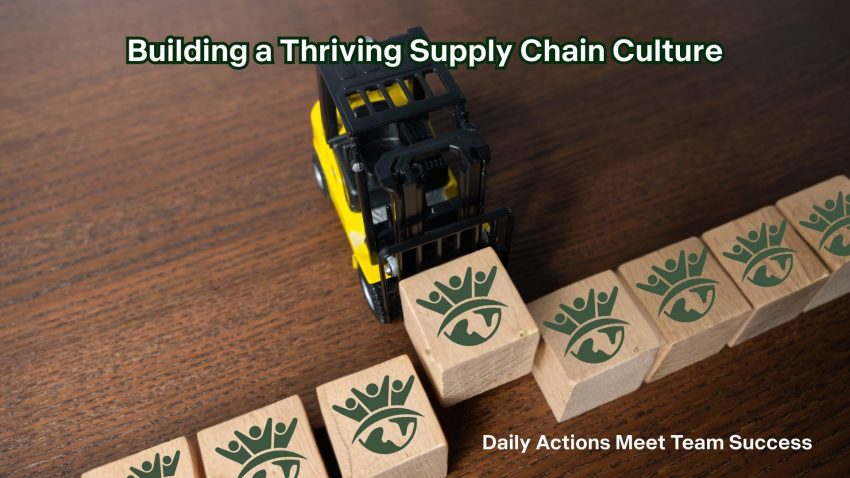
In the complex world of supply chain management, technical expertise and operational efficiency often dominate the conversation. Yet the most successful supply chain organizations understand a fundamental truth: culture isn’t created by mission statements or team building events alone. It’s forged in the daily choices and actions of every team member, from the warehouse floor to the executive suite.
The Daily Fabric of Supply Chain Culture
Every decision matters. When a procurement specialist chooses to share market intelligence with colleagues rather than hoarding information, they’re building a culture of collaboration. When a warehouse supervisor takes time to explain why certain processes exist instead of simply enforcing them, they’re creating an environment of trust and learning. These seemingly small moments accumulate, shaping the character of your entire operation.
In supply chain environments, where pressure runs high and margins run thin, it’s tempting to focus solely on metrics and deadlines. However, organizations that invest in engagement and team building discover something remarkable: a positive culture doesn’t detract from performance. It enhances it. Teams that trust each other communicate more effectively during disruptions. Engaged employees spot problems earlier and propose innovative solutions. A strong team spirit transforms obstacles into opportunities for collective problem solving.
Engagement Beyond the Breakroom
True engagement in supply chain operations extends far beyond occasional pizza parties or annual retreats. It lives in how you structure your daily operations. Do your team members understand how their work connects to broader organizational goals? Can a forklift operator see how their efficiency enables customer satisfaction? Does your demand planner understand the impact of their forecasts on warehouse teams?
Creating these connections requires intentional communication and transparency. Regular cross functional meetings where logistics, procurement, and planning teams share challenges and victories build mutual understanding. When your inventory manager spends a day with the customer service team hearing complaint calls, they gain invaluable perspective. These experiences create empathy and break down the silos that plague so many supply chain organizations.

Recognition plays a crucial role in engagement. In supply chain work, much of the daily effort goes unseen. The crisis that didn’t happen because someone double checked a shipment. The stockout that was avoided through proactive communication. Celebrating these wins, making the invisible visible, reinforces the behaviors that strengthen your culture.
Team Building Through Shared Challenges
Supply chain teams face constant challenges together: port delays, supplier issues, demand volatility, system implementations. These difficulties can either fragment a team or unite them. The difference lies in how leadership frames these situations and how teams are equipped to handle them collectively.
Effective team building happens when you create structures for collaborative problem solving. Instead of assigning blame when shipments go wrong, establish post mortem processes that focus on system improvement. When implementing new technology, form cross functional teams that include end users from the start. These approaches build psychological safety, where team members feel comfortable raising concerns and proposing ideas without fear of punishment.
Mentorship programs strengthen team bonds while developing capabilities. Pairing experienced supply chain professionals with newer team members creates knowledge transfer opportunities and builds relationships that transcend formal reporting structures. These connections often prove invaluable during high pressure situations when quick, trusted communication becomes essential.
The Spirit That Sustains Performance
Supply chain spirit manifests in resilience and adaptability. It’s the collective determination to find solutions when suppliers fail, routes close, or demand spikes unexpectedly. This spirit cannot be manufactured through top down mandates. It emerges from teams that feel valued, connected, and empowered.
Creating this environment requires leaders who model the values they espouse. When a supply chain director rolls up their sleeves during peak season, they demonstrate that no task is beneath anyone. When mistakes are treated as learning opportunities rather than career limiting events, innovation flourishes. When diverse perspectives are actively sought and incorporated into decision making, creativity expands.
Investing in professional development signals that you value your team’s growth beyond their current roles. Whether through formal training programs, industry conference attendance, or cross functional project opportunities, these investments pay dividends in engagement and retention. They also build the adaptive capacity your organization needs to navigate an ever changing supply chain landscape.
Sustaining Culture Through Intentional Action
Building a positive supply chain culture isn’t a project with a completion date. It’s an ongoing commitment reflected in daily choices. It requires regularly assessing whether your actions align with your stated values. Are you rewarding collaboration or creating competition? Do your processes enable communication or create barriers? Does your organization learn from failures or hide them?
The most resilient supply chain organizations recognize that their people are their greatest asset. Technology can optimize routes and algorithms can improve forecasts, but human judgment, creativity, and collaboration remain irreplaceable. By fostering engagement, investing in team building, and nurturing a positive culture and spirit, you create the foundation for sustained success.
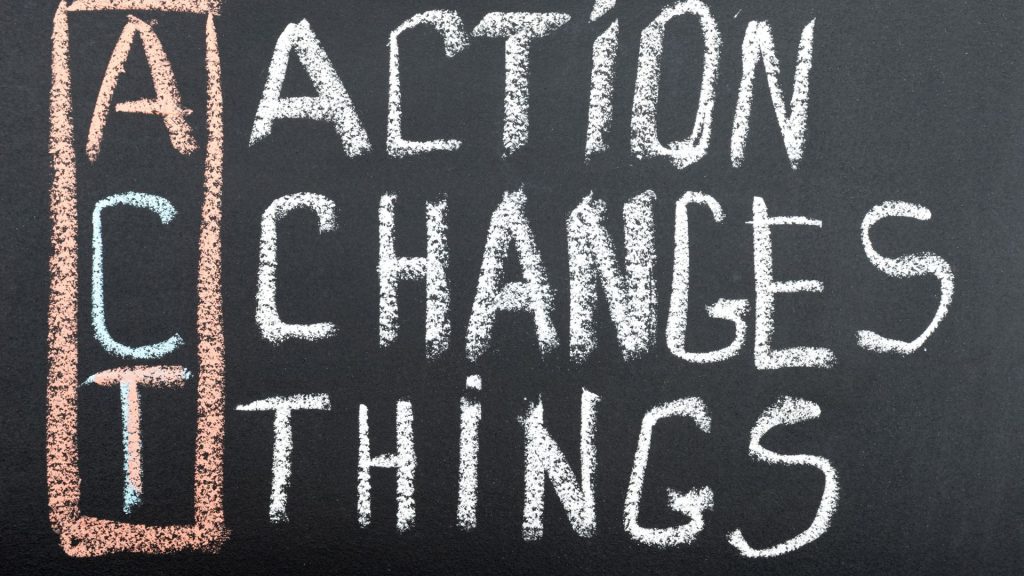
Your supply chain culture is being created right now, in every interaction, decision, and response to challenges. Make those moments count. The dividends compound in ways that no amount of process optimization alone can match.
1 thought on “Building a Thriving Supply Chain Culture: Where Daily Actions Meet Team Success”